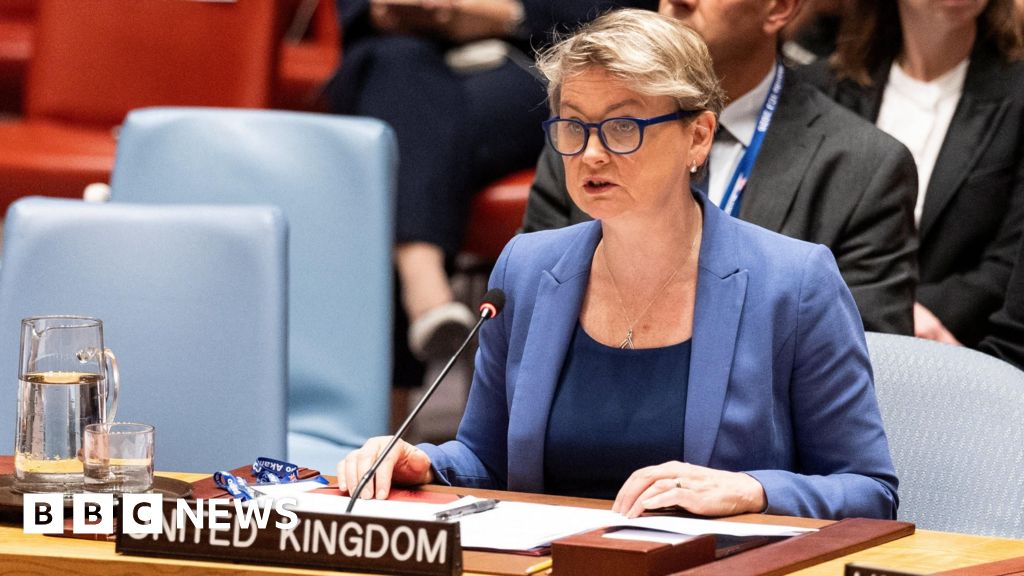
The UK, France, and Germany have reimposed UN sanctions on Iran, citing Tehran's continued nuclear escalation and non-cooperation with the IAEA following breaches of its commitments. This 'snapback' mechanism, triggered after failed diplomatic efforts, revives sweeping economic and military measures, which Iran's President Pezeshkian condemned as 'unfair' while denying nuclear weapon intentions and recalling ambassadors. The move signals heightened geopolitical tensions, with the E3 urging de-escalation and continued diplomacy, yet the re-establishment of sanctions carries significant implications for Iran's economy and regional stability.
The reimposition of UN sanctions on Iran by the UK, France, and Germany (E3) marks a significant diplomatic failure and a material escalation of geopolitical tensions. The E3 triggered the JCPOA's 'snapback' mechanism as a 'last resort,' citing Iran's 'continued nuclear escalation,' refusal to cooperate with the IAEA on inspections, and failure to account for its high-enriched uranium stockpile. Iran's response, which includes condemning the sanctions as 'illegal' and recalling its ambassadors, signals a hardening stance. President Pezeshkian's rejection of a US proposal for a temporary sanctions waiver in exchange for its enriched uranium further underscores the difficulty of near-term de-escalation. While the E3 states diplomacy is not over, the breakdown of talks and Iran's warning that sanctions could jeopardize recently resumed IAEA inspections create a high-risk environment. The 'strongly negative' sentiment and high market impact score of 0.65 are justified, reflecting the potential for this standoff to disrupt regional stability and, by extension, global energy markets.
AI-powered research, real-time alerts, and portfolio analytics for institutional investors.
Request DemoOverall Sentiment
strongly negative
Sentiment Score
-0.60
