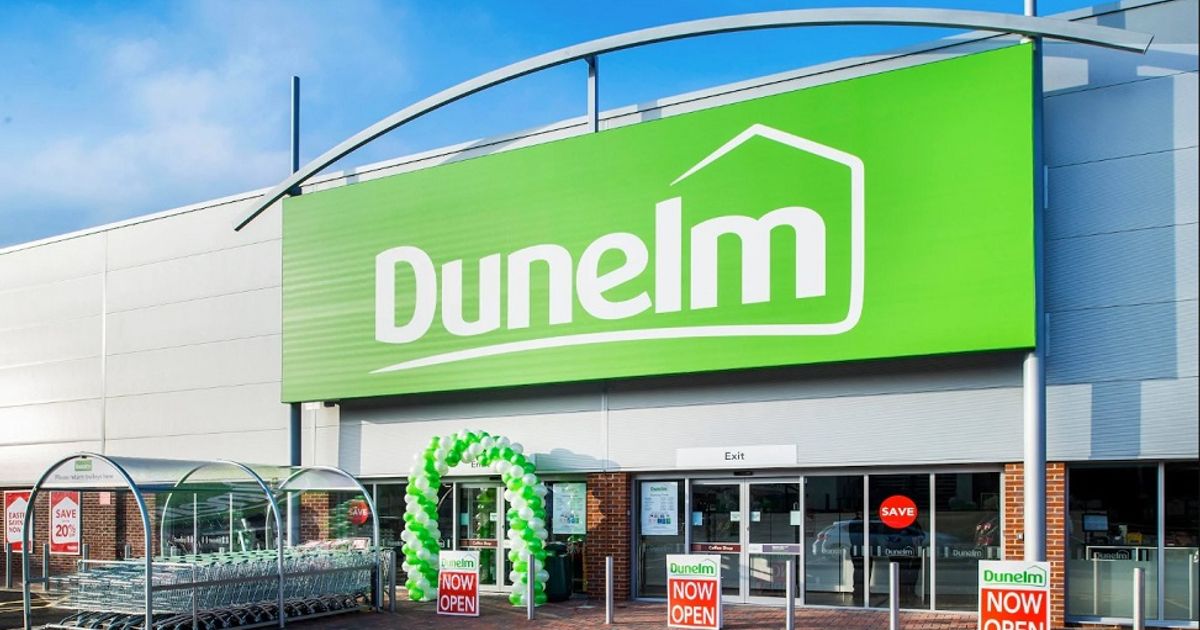
Dunelm reported H1 total sales up 3.6% to £926m but quarterly growth slowed from 6.2% to 1.6% in the three months to 27 December, driven in part by furniture availability issues. H1 profit before tax is now expected to be £112–114m and the group said full-year profit will be at the lower end of market expectations (City analysts average full-year PBT £222m, range £214–227m). Management described a ‘solid’ first quarter but warned of a tougher close to the half and outlined recovery plans, continued store investment and a full customer launch of a new mobile app in February.
MARKET STRUCTURE: Dunelm’s slowdown (quarterly sales growth 6.2% → 1.6%; H1 sales £926m; H1 PBT now £112–114m) benefits omnichannel operators with stronger inventory control (e.g., Next PLC, LSE:NXT) and hurts pure-play furniture suppliers and small independents reliant on footfall. Pricing power is likely to be nudged lower as Dunelm may run promotions to clear gaps, shifting share to competitors who can match price or availability quickly. Across assets, expect modest spread widening for UK retail credits, a small negative impulse to GBP (order of magnitude 0.2–0.5% if the sector flags), and a rise in DNLM implied equity volatility near near-term updates.
RISK ASSESSMENT: Tail risks include a forced inventory write-down of >£20–30m if availability fixes reveal unsellable stock, container/shipping disruption that extends furniture shortages another 3–6 months, or an aggressive pricing response compressing margins by 200–400bps. Immediate (days) risk is headline-driven share moves; short-term (weeks–months) pivots hinge on the February app launch and December-to-March trading; long-term (quarters–years) risk is permanent share loss if customer experience degrades. Hidden dependency: recovery depends on supply-chain lead times (often 8–16 weeks for furniture), not just retail operations.
TRADE IMPLICATIONS: Direct: establish a 2–3% fund-size short position in LSE:DNLM targeting 15–25% downside over 3–6 months, stop-loss at 8–10% adverse move. Options: buy 3–6 month DNLM put spreads (buy ATM, sell 20% OTM) to cap cost; expect vol pickup into Feb app update and H2 trading. Pair: long NXT.L (2% position) vs short DNLM (2%) — Next should outperform given stronger omnichannel and inventory flexibility. Rotate: underweight UK consumer discretionary by 3–5% and overweight defensive staples (e.g., ULVR.L) until H2 trends clear.
CONTRARIAN ANGLES: The market may over-penalize Dunelm—guidance nudged to low end, not a cut; if the February app materially raises conversion by 2–4% and availability is restored within one supply cycle (8–12 weeks), DNLM could recoup ~£10–20m PBT. Historical parallels show UK home retailers rebound after short-term availability shocks; options may be mispriced for this recovery window. Unintended consequence: an aggressive recovery push could force higher logistics/capex spend, keeping margins depressed into FY27.
AI-powered research, real-time alerts, and portfolio analytics for institutional investors.
Request DemoOverall Sentiment
moderately negative
Sentiment Score
-0.45
