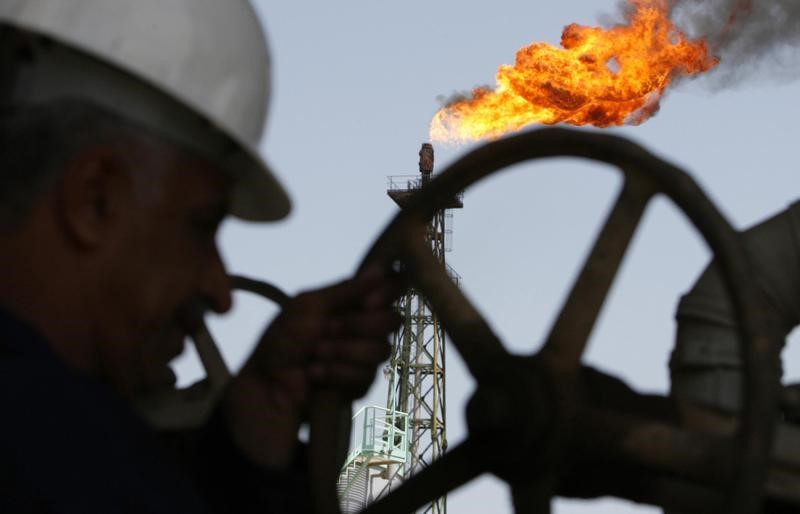
Brent crude rose 1.8% to $93.08 a barrel and WTI climbed 1.8% to $89.78 as fresh U.S. strikes on Iran over a downed helicopter revived supply fears and threatened the fragile ceasefire. The Strait of Hormuz remains the key risk, with roughly one-fifth of global oil and LNG flows at stake, while U.S. crude inventories posted a 9.12 million-barrel draw versus 3.4 million expected. The escalation is a market-wide risk-off catalyst that could keep energy prices volatile until there is clearer de-escalation.
The market is pricing a classic risk-premium rebuild: not a full-blown supply shock, but a higher probability that the Strait of Hormuz becomes a recurring volatility engine rather than a one-off headline. That matters because oil does not need to stay elevated for long to reprice downstream inflation expectations, transport margins, and duration assets; even a 5-10% crude impulse can force macro funds to cut cyclicals and add to defensives within days. The second-order winner is not just upstream energy, but any asset with embedded optionality to higher implied volatility. Refiners and airlines are the most vulnerable in the near term because prompt crude strength usually outpaces product pass-through for 1-3 weeks, compressing crack spreads and cash burn simultaneously. By contrast, integrated producers and oilfield service names should see better relative performance if this escalates, as the market tends to reward balance-sheet durability and short-cycle exposure when geopolitical supply risk dominates. The inventory draw is a meaningful near-term catalyst because it removes the cushion that would otherwise blunt geopolitical headlines. If official data confirm a large draw, the market may stop treating the move as purely event-driven and begin extrapolating tighter summer balances, which would keep front-month energy bids supported even if the news flow cools. The key reversal trigger is a visible de-escalation plus shipping normalization; absent that, price risk remains skewed higher over the next 2-6 weeks, not months. The contrarian setup is that equity investors may be over-penalizing broad risk assets while underpricing the asymmetry in implied vol. Tech and growth can absorb a modest oil spike if it is short-lived, but persistent headline risk would hit multiples through real-rate expectations and margin pressure; the market is likely to distinguish quickly between transitory vs persistent shock. That creates a better expression through options than outright beta shorts.
AI-powered research, real-time alerts, and portfolio analytics for institutional investors.
Overall Sentiment
mildly negative
Sentiment Score
-0.25
Ticker Sentiment
