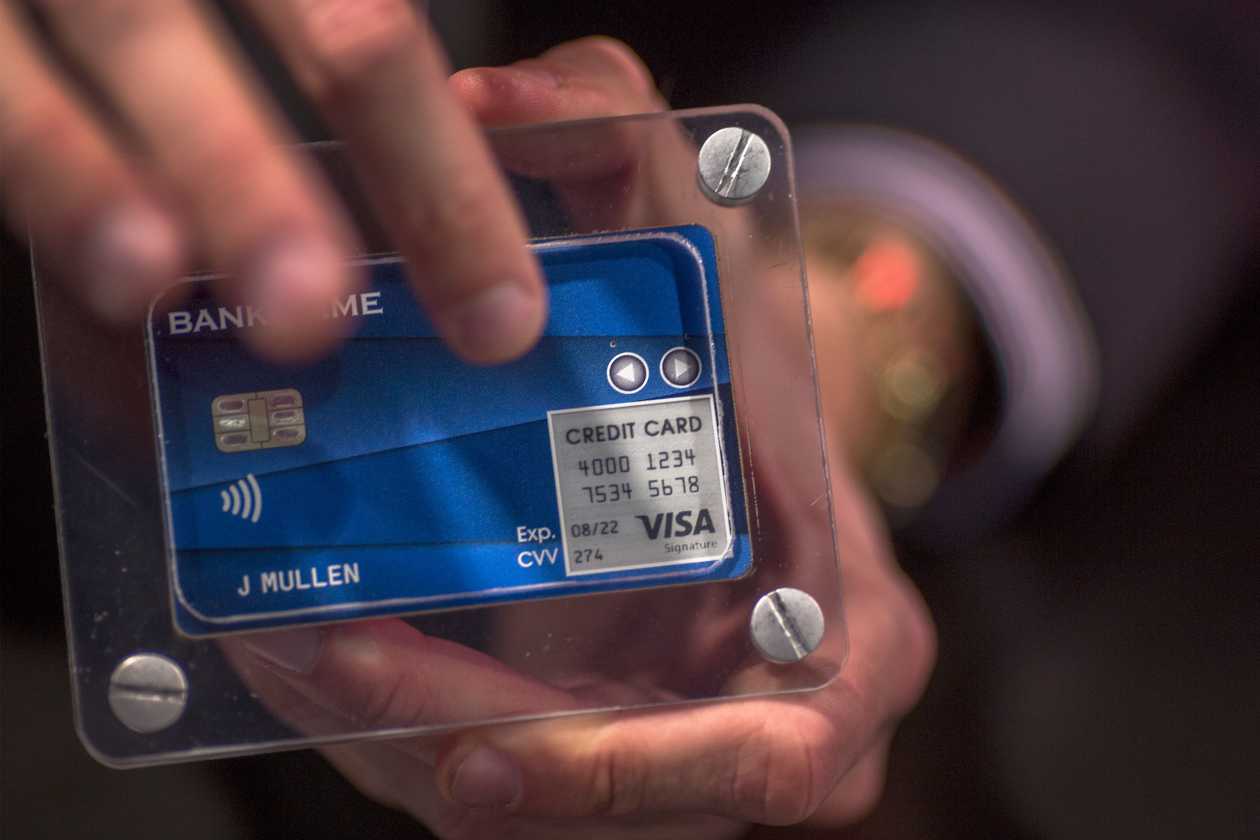
U.S. consumer credit data for August revealed a notable decline in revolving credit, primarily credit cards, for the third time this year, with balances down 2.5% over the past 12 months, signaling significant consumer caution amidst inflation and economic uncertainty. This unexpected contraction, which saw overall consumer credit remain flat only due to a rise in non-revolving loans like auto purchases ahead of tariffs, suggests increasing economic stress and a potential drag on future growth until consumer confidence recovers.
Economic Report Credit-card spending falls again — Americans aren’t confident in the economy Auto loans rise as buyers seek to beat tariffs Americans cut back on the use of credit cards in August in another sign of caution, as households grapple with stubborn inflation, a tougher job market and lingering economic uncertainty tied to U.S. tariffs. The amount of revolving credit outstanding— mainly credit cards — fell in August for the third time this year. The decline was offset by a small rise in nonrevolving credit such as car loans and student loans. As a result, the amount of overall consumer credit outstanding in August was basically flat, Federal Reserve data showed Tuesday. Wall Street had been expecting a sizable increase. Although the credit data is a couple of months old, the report lends credence to the idea that consumers grew more skittish as fall approached. It’s harder to find a job, interest rates are still relatively high and the cost of some consumer goods and services have risen in response to tariffs. The report on consumer credit takes on more importance than usual in light of the federal shutdown. Government closures have delayed critical information about the health of the labor market and other parts of the economy. Key data: Credit-card balances have declined 2.5% in the past 12 months, the largest drop since the height of the pandemic in 2020. As recently as August 2024, credit-card balances were rising at a 5% rate. Perhaps more worrisome: The last time credit-card usage fell excluding the pandemic was in 2010, at the tail end of the Great Recession. Meanwhile, car loans and student loans, or what’s known as non-revolving credit, rose 2% in August. Car sales have surged since the spring as buyers sought to purchase autos before tariff-related price increases took effect. At some point these sales are expected to slow as demand is whetted and prices rise. Student loans, for their part, tend to be grow at a stable rate. The Fed report on consumer credit does not include mortgages, the largest category of household debt. Big picture: The reduction in credit-card use over the past year signals Americans are being more careful with their money given the stress on the economy. The U.S. is unlikely to grow much faster until consumers gain more confidence. That would require an end to trade wars, slowing inflation and a pickup in hiring and employment. Market reaction: The Dow Jones Industrial Average DJIA and the S&P 500 SPX index fell in Tuesday trading. Consumer credit data for August revealed a significant contraction in revolving credit, primarily credit card balances, which fell 2.5% over the past 12 months – the largest drop since 2020. This marks the third monthly decline this year, contrasting with a 5% growth rate as recently as August 2024 and defying Wall Street's expectation for a sizable increase in overall consumer credit. This unexpected retrenchment indicates heightened consumer caution amidst persistent inflation, a tightening job market, and elevated interest rates. The decline in revolving credit was largely offset by a 2% rise in non-revolving credit, driven by auto loans as buyers pre-empted tariff-related price increases. However, this temporary boost is expected to wane as demand is met. The report's timing is critical, as government shutdowns have delayed more current labor market data, making these consumer spending insights a key indicator of underlying economic stress. The 2.5% annual decline in credit card balances, a trend not seen outside the pandemic since the 2010 Great Recession, signals a broader lack of consumer confidence. This caution is expected to constrain economic growth, as a sustained recovery requires an end to trade wars, slowing inflation, and improved employment prospects. The negative market reaction, with both DJIA and SPX falling, underscores investor concern regarding consumer health.
AI-powered research, real-time alerts, and portfolio analytics for institutional investors.
Request DemoOverall Sentiment
strongly negative
Sentiment Score
-0.70
Ticker Sentiment
