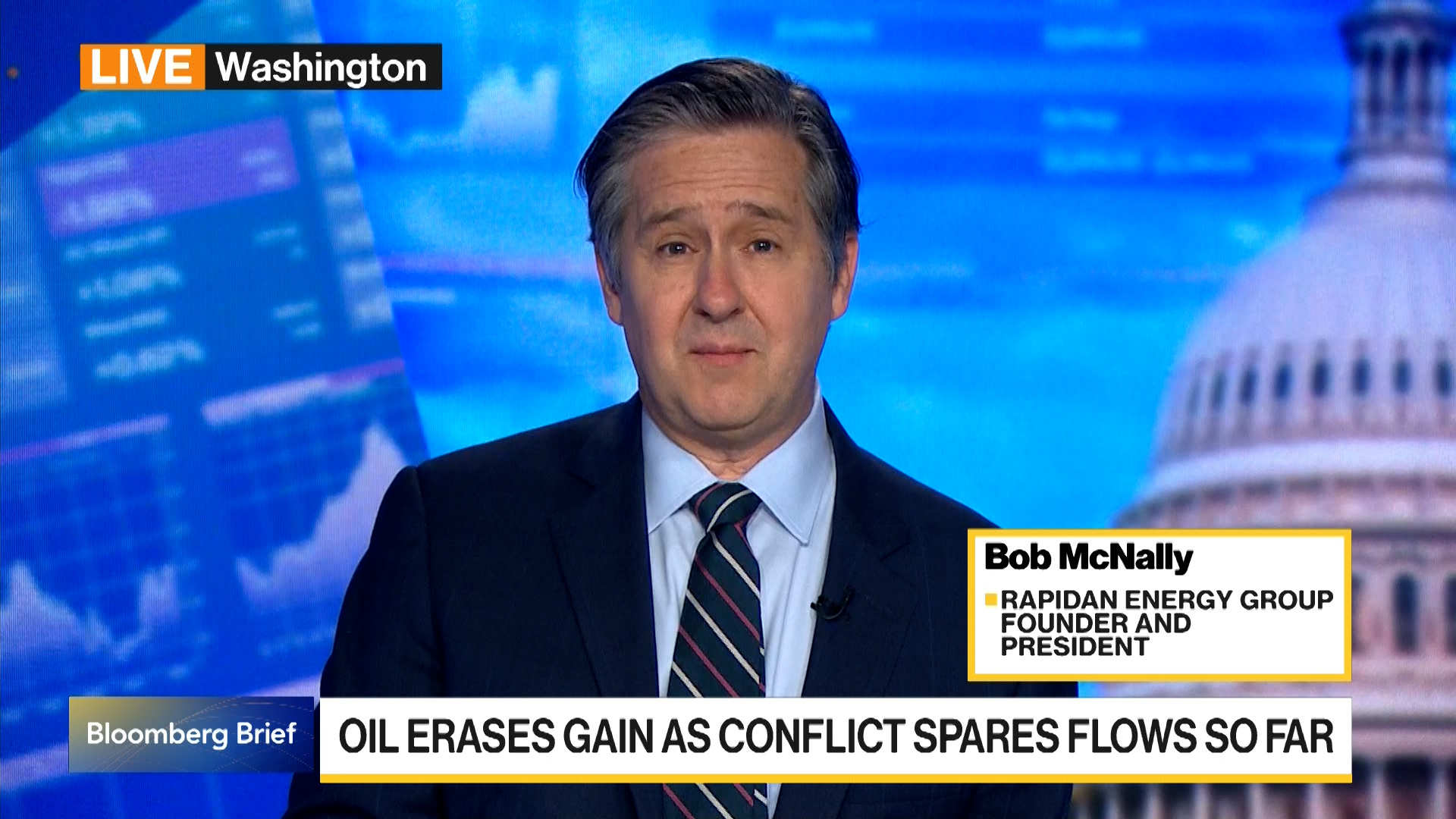
According to Rapidan Energy Group's Bob McNally, oil prices face a $3-5 per barrel upside risk due to various factors including geopolitical tensions and potential supply disruptions. McNally highlighted that while a recession could temper demand, current market dynamics suggest a higher probability of price increases than decreases in the near term, impacting energy equities and inflation expectations.
Rapidan Energy Group's Bob McNally forecasts a $3-5 per barrel upside risk to oil prices, primarily driven by geopolitical tensions and potential supply disruptions. Despite the tempering effect a recession could have on demand, current market dynamics suggest a higher probability of near-term price increases. This outlook has direct implications for the valuation of energy equities and influences inflation expectations. The general market sentiment surrounding this development is moderately positive with a bullish tone, and specific oil-tracking funds like United States Brent Oil Fund, LP (BNO) and Invesco DB Oil Fund (DBO) also reflect a positive sentiment score of 0.5, aligning with the anticipated price appreciation in energy markets and commodities.
AI-powered research, real-time alerts, and portfolio analytics for institutional investors.
Request DemoOverall Sentiment
moderately positive
Sentiment Score
0.40
Ticker Sentiment
