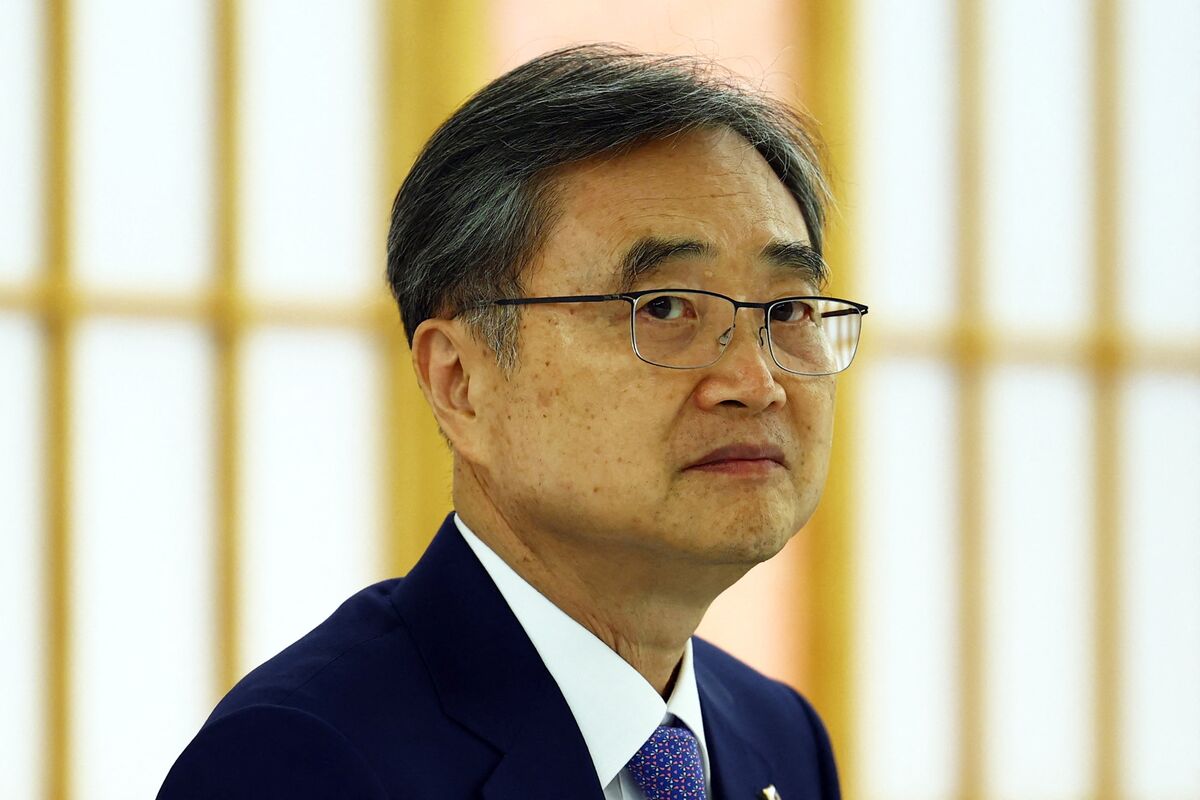
Top diplomats from China and South Korea met for the first time since Seoul's leadership change, pledging to deepen strategic ties. South Korea's Foreign Minister Cho Hyun urged China's cooperation to bring North Korea back to dialogue, signaling Seoul's push to improve regional relations under President Lee Jae Myung's administration, despite Pyongyang's current resistance to engagement.
The first diplomatic meeting between China and South Korea since Seoul's leadership change signifies a mutual intent to strengthen their strategic partnership. South Korean Foreign Minister Cho Hyun's meeting with China's Wang Yi in Beijing centered on securing Chinese cooperation to bring North Korea back to the dialogue table, a core tenet of President Lee Jae Myung's new administration. While this diplomatic overture is viewed with moderately positive sentiment, reflecting the constructive tone of the talks, its immediate impact is limited by Pyongyang's continued refusal to engage with Seoul. The development points to a potential recalibration of regional alliances, but its tangible effects on security and economic stability remain contingent on China's influence and North Korea's future actions, a factor reflected in the low assessed market impact score.
AI-powered research, real-time alerts, and portfolio analytics for institutional investors.
Request DemoOverall Sentiment
moderately positive
Sentiment Score
0.45
