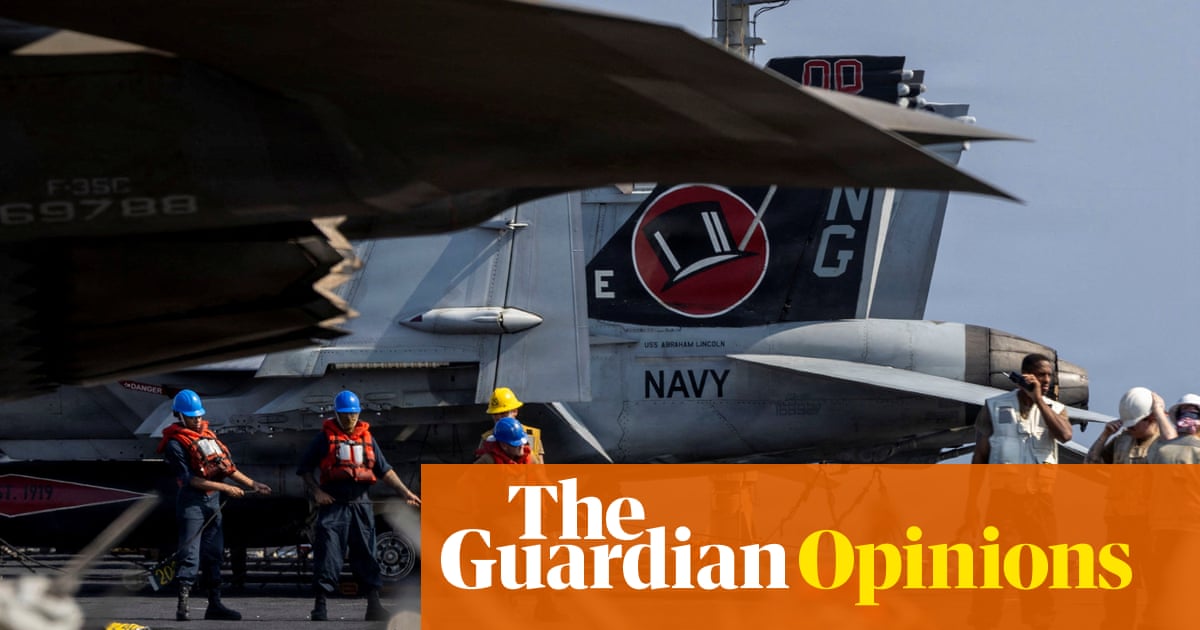
The US-Iran war has cost the US $16.5bn in the first 12 days and killed at least 13 US service members, while Iranian civilian deaths exceed 1,200. Closure of the Strait of Hormuz has pushed oil prices sharply higher, raising recession risk for Europe and parts of Asia and threatening public support for planned increases in European defence spending. Most European governments have rejected US calls to intervene militarily and polling shows roughly 60% opposition in the UK and Germany (Italy 56%, France 63%), implying policymakers are more likely to prioritise de‑escalation and defensive postures than further deployments.
Immediate market dynamics create a procyclical bifurcation: energy producers and maritime-risk contractors gain pricing power while European cyclical consumption and trade-exposed manufacturers face margin compression from higher freight/insurance and fuel costs. Expect container and tanker owner earnings to re-rate faster than integrated majors because voyage-rate upside flows almost entirely to asset-light shipping operators and spot-price sensitive E&P players; a sustained $10/bbl shock typically shifts annual FCF by mid-single to low-double digits percent for US E&P versus low-single digit for majors. Politically driven defense reallocation and domestic backlash are a multi-quarter thematic. If European capitals resist kinetic commitment, they still will need to accelerate air/missile defense procurement and operational sustainment spending — an outsized win for prime contractors and MRO vendors over multi-year budgeting cycles, but a political risk that could intermittently compress European sovereign risk premia and elevate borrowing costs in peripheral issuers. Tail risks are asymmetric and clustered in time: near-term (days–weeks) escalation that affects chokepoints or strikes shipping infrastructure can spike oil >$20/bbl and cause market dislocations; medium-term (3–12 months) fragmentation if Europe retrenches politically, forcing longer-term energy import diversification and LNG contracting. Reversal vectors include credible US–EU back-channel de‑escalation, a rapid normalization of insurance premiums, or a decisive diplomatic settlement — any of which would compress risk premia and unwind carry trades in shipping and defense names. Positioning should be tactical and convex: prefer option-structured exposure to energy and shipping upside while using short-dated protection for EM/European sovereign exposure. Keep durations short where political catalysts dominate and size defense exposure for a multi-quarter budget re-rating rather than binary escalation outcomes.
AI-powered research, real-time alerts, and portfolio analytics for institutional investors.
Request DemoOverall Sentiment
strongly negative
Sentiment Score
-0.65
