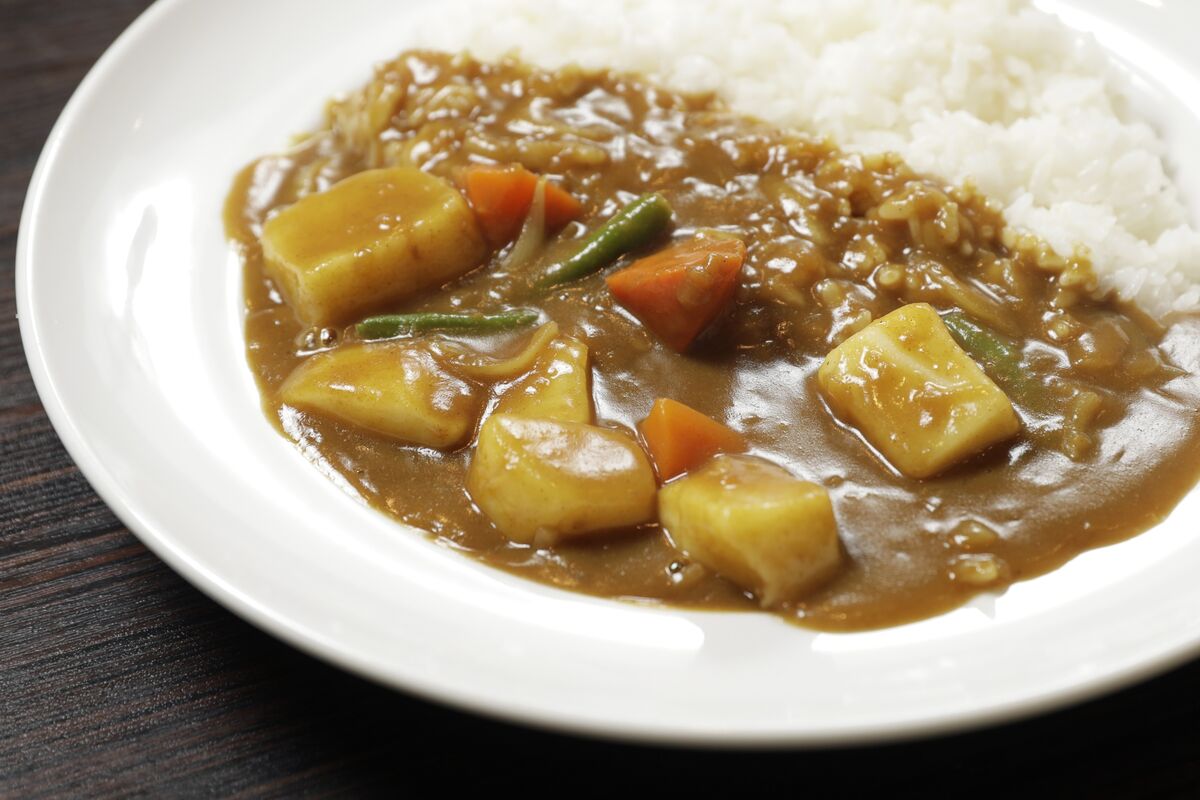
Japanese curry shops are facing increasing financial strain, with bankruptcies reaching a record high for the second consecutive year; thirteen shops with over ¥10 million in debt closed in the year ending March, according to Teikoku Databank. Soaring rice prices are cited as a primary factor impacting profitability for these businesses, suggesting potential vulnerability in the broader food service sector amid rising commodity costs.
The Japanese food service sector, particularly independent curry restaurants, is facing escalating financial pressure, as indicated by a record number of bankruptcies for the second consecutive year. Data from Teikoku Databank reveals that thirteen curry shops, each burdened with over ¥10 million in debt, ceased operations in the year ending March. This reported figure likely understates the full extent of business failures, as it does not capture smaller, unrecorded insolvencies among 'mom-and-pop' establishments. The primary catalyst for this downturn is identified as soaring rice prices, a critical input cost for these businesses, which underscores the vulnerability of food-centric enterprises to commodity price inflation and its direct impact on profitability. This situation suggests a challenging operating environment for small to medium-sized businesses within Japan's broader consumer retail and food service industries, particularly those with high exposure to fluctuating raw material costs.
AI-powered research, real-time alerts, and portfolio analytics for institutional investors.
Request DemoOverall Sentiment
strongly negative
Sentiment Score
-0.60
