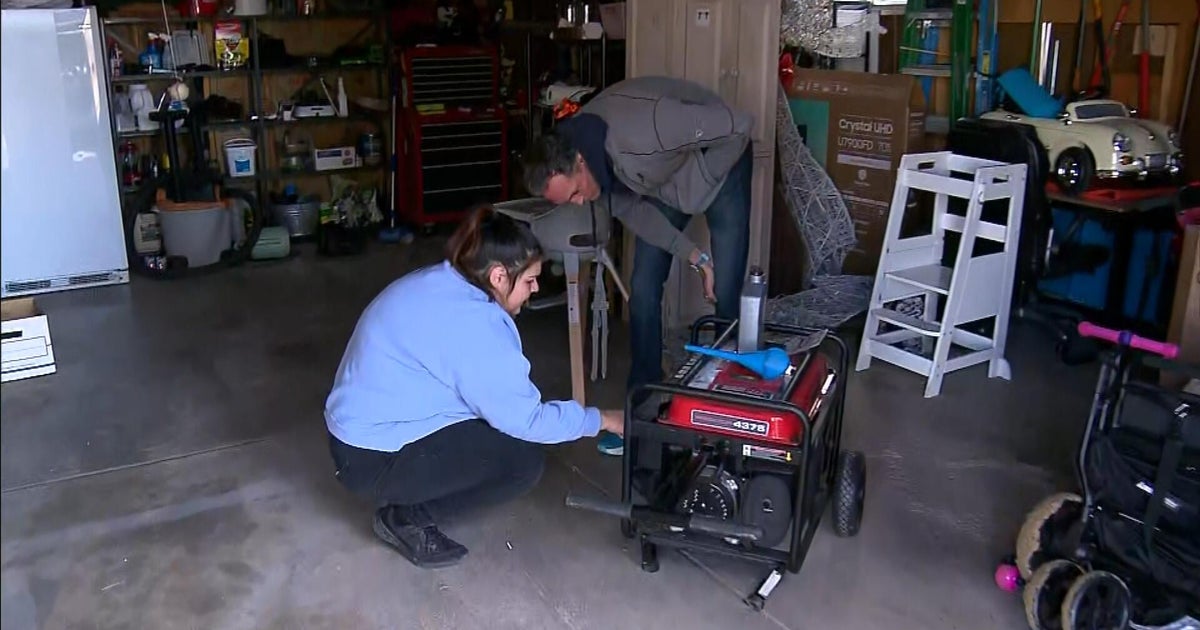
Xcel Energy carried out planned Public Safety Power Shutoffs in Colorado affecting tens of thousands of customers beginning Wednesday due to forecasts of strong wind gusts, dry conditions and low humidity. Residents and small businesses in Jefferson County and Morrison reported outages up to roughly 24 hours and criticized a lack of advance notice, while Xcel Colorado President Robert Kenney cited weather risk factors and directed stakeholders to the company’s PSPS information online. The episode represents a localized operational and reputational issue that could prompt customer-relations and regulatory scrutiny but is unlikely to have an immediate material impact on Xcel’s financials.
Market structure: The immediate winners are portable-generator and home-battery vendors (e.g., GNRC, ENPH, TSLA ecosystem installers) and local installers; the direct loser is Xcel Energy (XEL) via reputation, short-term demand loss for businesses, and potential regulatory scrutiny. Expect a near-term reallocation of consumer spend toward backup power (order-flow spike visible in weekly sales/Google trends within 0–30 days) and a mid-term shift (3–24 months) toward utility capex for resilience that benefits grid-equipment suppliers and engineering contractors.
Risk assessment: Tail risks include a Colorado PUC investigation or punitive rate adjustments (material if >$50–100m of incremental costs become non-recoverable), protracted PSPS that drive customer defections, or wildfire-triggered liabilities that widen XEL credit spreads >25–50bps. Immediate window (days): PR and intraday stock volatility; short-term (weeks–months): options vol and potential rate-case filings; long-term (quarters–years): accelerated grid-hardening capex and changed regulatory frameworks.
Trade implications: Tactical short bias to XEL balanced with longs in backup/storage suppliers: size 1–3% of portfolio per leg. Use options to control risk — e.g., buy 3-month XEL puts ~7.5% OTM (size 1–2% risk budget) and buy 3-month calls on GNRC or ENPH ~10% OTM (size 1–2%). Monitor XEL 10Y credit spread vs. utility index; act if spread widens >25bps.
Contrarian angles: The market may underprice the utility’s ability to recover costs via rate cases — if XEL falls >12% on sentiment without credit deterioration (<50bps spread widening), consider accumulation for 12–36 month hold. Conversely, backup-power demand may already be priced into GNRC/ENPH; avoid chasing >25% post-event jumps without inventory/delivery confirmation.
AI-powered research, real-time alerts, and portfolio analytics for institutional investors.
Request DemoOverall Sentiment
mildly negative
Sentiment Score
-0.25
Ticker Sentiment
