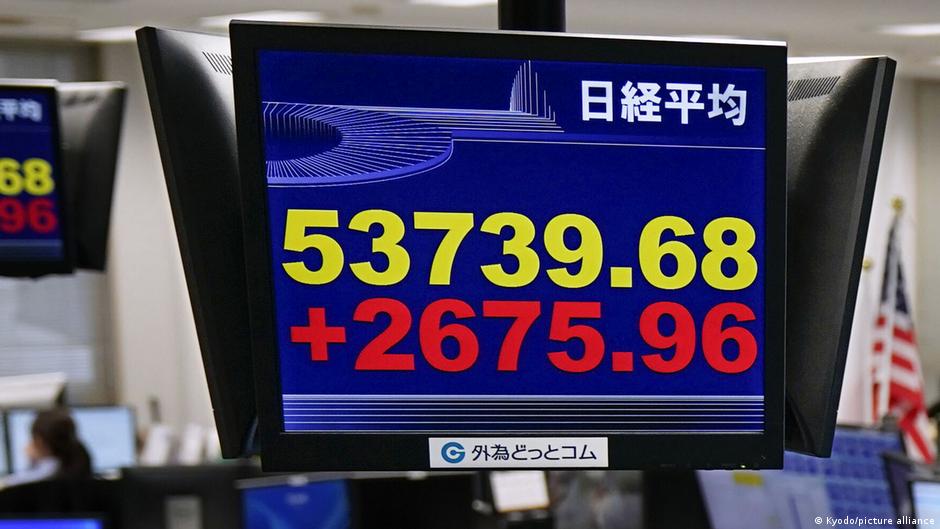
Brent crude jumped ~5% to $106.22/bbl and US crude rose ~4.2% to $104.36/bbl after President Trump threatened to “hit Iran extremely hard” over the next 2–3 weeks and Iran vowed “crushing” retaliation; the near-closure of the Strait of Hormuz is cited as the supply shock driver. Asian equity markets fell (Nikkei -1.4%, Kospi -3.4%, Hang Seng -0.8%) and US/European futures were down >1%, reflecting a clear risk-off move that could sustain elevated oil prices and broader market volatility. Additional supply-side risks include Iraq rerouting 50,000 bpd via Syria while southern Iraqi output has fallen >70% (from ~3.1m to ~0.9m bpd), and a UK-led 35-country summit on reopening the Strait of Hormuz highlights the likelihood of prolonged geopolitical and shipping disruption.
Market moves are pricing a sustained premium for Middle East transit risk rather than a short technical blip; that premium flows through three levers — insurance/WAR-risk surcharges, elevated freight for rerouted barrels, and refinery feedstock shortages in Europe/Mediterranean — and each can persist for weeks-to-months even if kinetic intensity ebbs. Tanker owners and short-haul Mediterranean refiners capture much of the near-term windfall because time-to-market and insurance allowances are billed into freight and product cracks faster than producers can restart shut-in wells.
Iraqi attempts to reroute exports over land or via Syria expose a structural capacity constraint: incremental routes add high unit cost (trucking/pipeline constraints) and low elasticity (hundreds of kb/d is the realistic ceiling absent major capex), so the market will treat any barrels not sailing through Hormuz as lost supply for 1-3 months. That dynamic creates asymmetric upside for oil-linked cash flows (integrated majors, LNG exporters, tankers) while generating outsized downside for energy-sensitive demand sectors (airlines, container logistics) and reinsurers writing marine WAR risk.
Catalyst sequencing matters: (1) insurance market decisions (P&I/War premiums and underwriter corridor acceptance) will likely be the fastest path to normalization (days–weeks); (2) multilateral security operations or diplomatic guarantees could reopen transit but require coalition rules-of-engagement and insurer sign-off (weeks–months); (3) escalation or targeted strikes on chokepoint infrastructure would extend premiums into quarters. Watch tanker TCE indices, P&I circulars, and MED crude arrival flows as leading indicators that the premium is being priced in or unwound.
AI-powered research, real-time alerts, and portfolio analytics for institutional investors.
Request DemoOverall Sentiment
strongly negative
Sentiment Score
-0.65
