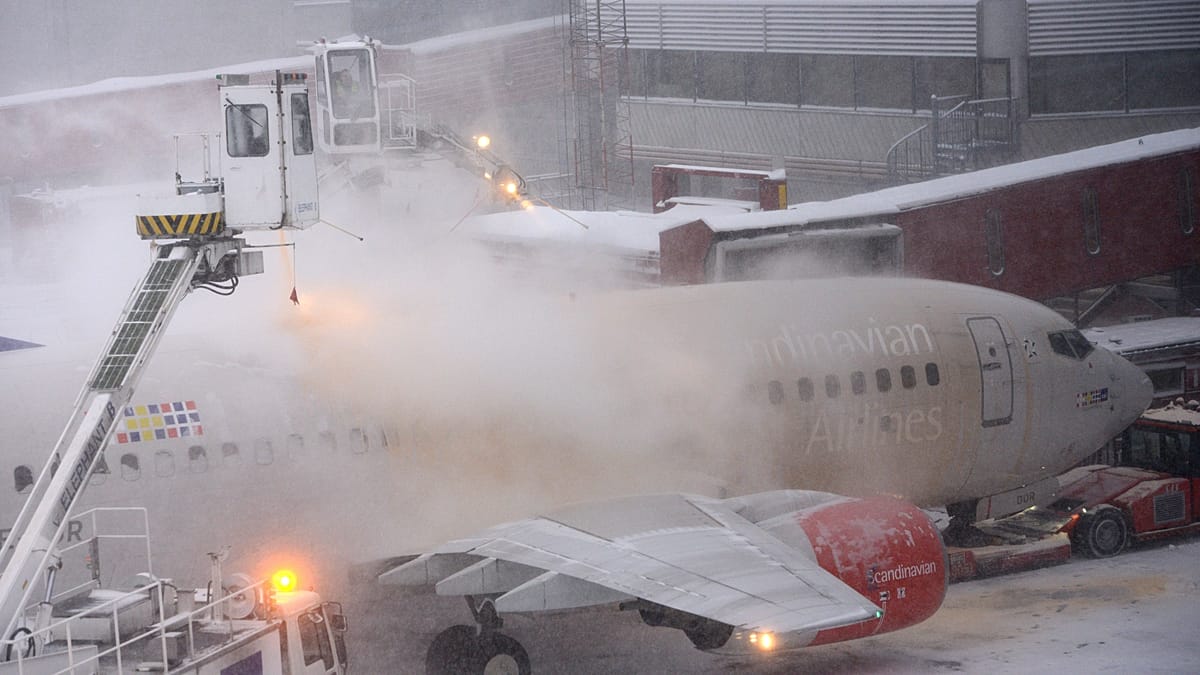
Winter weather has again disrupted European aviation with flights suspended at Berlin on 6 February due to black ice and recent freezing rain, following more than 700 cancellations at Amsterdam Schiphol amid snow and high winds. The piece details EU passenger rights—compensation for arrivals delayed three hours or more (€250–€600 depending on distance), reimbursement or rerouting options, and mandatory duty-of-care (meals/accommodation) unless conditions qualify as ‘extraordinary circumstances’—and outlines when travel insurance or trip cancellation coverage may apply (typical delay thresholds three hours to 12 hours, cancellation coverage for delays over 12 hours or uninhabitable accommodation).
Market structure: Short-term winners are ancillary service providers (de‑icing contractors, ground handling) and travel insurers; losers are hub-dependent legacy carriers and major European airport operators because repeat disruptions raise operational costs and compensation exposure. Expect higher implied equity volatility for airlines (IV +20–40% vs. baseline during events) and transient downward pressure on jet fuel demand (0–2% weekly dip) with modest safe‑haven flows into Bunds/gilts.
Risk assessment: Tail risks include an extreme multi-day European airspace closure (ash-like) or regulatory rulings expanding compensation (could add €200–€1,000 per long‑haul passenger to carrier costs), which would materially hit margins for IAG/Lufthansa within weeks. Immediate: earnings tweaks and higher opex over days–weeks; short (3–6 months): higher insurance/restructuring costs; long (12–36 months): capital expenditures on resilience (de‑icing capacity, schedule padding).
Trade implications: Direct plays favor short positions on legacy, hub-heavy airlines and selective long exposure to low‑cost carriers, booking platforms and specialty insurers. Use relative trades (short LHA.DE vs long RYA.L) and volatility strategies (3‑month put spreads) to cap premium. Rebalance into Q2 once winter volatility abates or when airline IV falls >30% from peak.
Contrarian angles: The market may overprice permanent demand loss; historical parallels (2013–19 winter disruptions) show full traffic recovery within 2–4 quarters and ability to pass costs into fares. If a selloff exceeds 20% for high‑quality carriers, consider tactical long positions; unintended consequence: higher ancillary fees benefit online travel agencies (BKNG/EXPE) and LCCs' margin mix.
AI-powered research, real-time alerts, and portfolio analytics for institutional investors.
Request DemoOverall Sentiment
neutral
Sentiment Score
-0.10
