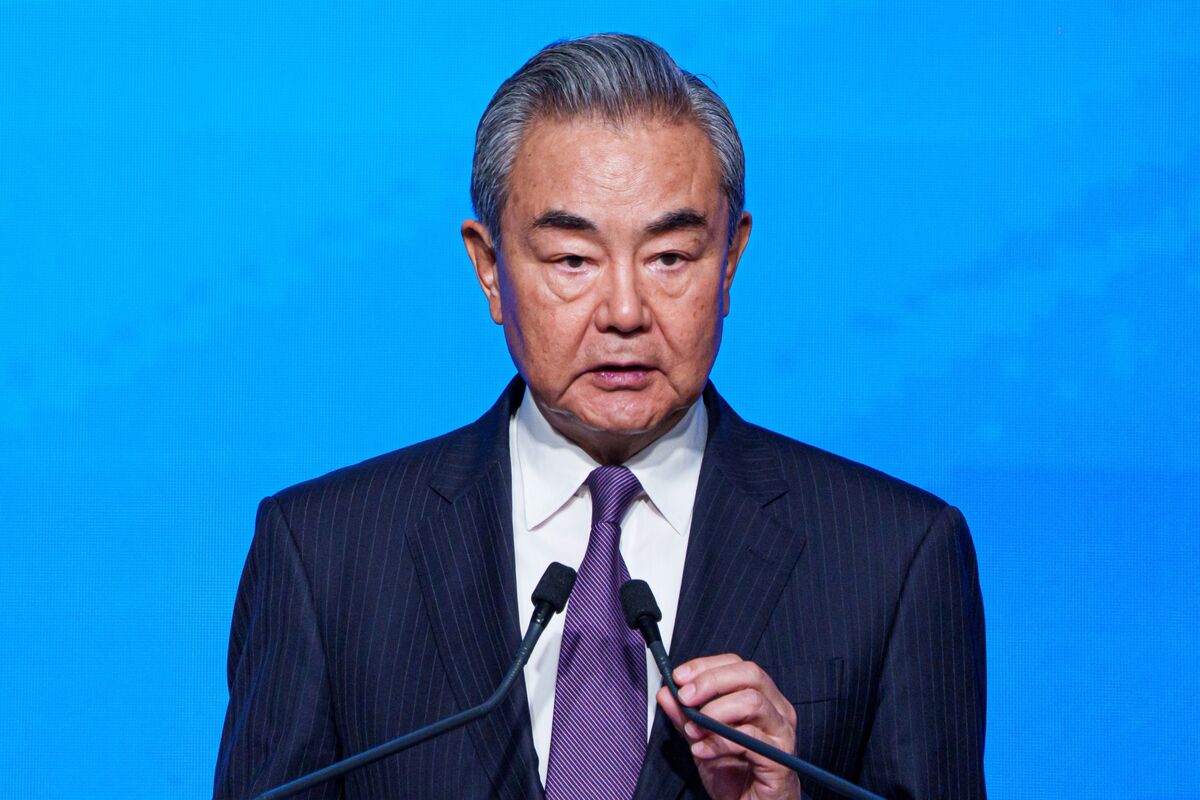
Chinese Foreign Minister Wang Yi advocated for global dialogue to resolve disputes, emphasizing Hong Kong's return to Chinese rule as a successful example of peaceful resolution. During his first visit to Hong Kong in three years, Wang signed a convention to establish a global mediation organization in the city, positioning Hong Kong as a potential international mediation hub.
Chinese Foreign Minister Wang Yi's visit to Hong Kong, his first in three years, culminated in the signing of a convention to establish a global mediation organization in the city, alongside a call for countries to resolve disputes through dialogue rather than zero-sum approaches. Wang Yi highlighted Hong Kong's return to Chinese rule as a successful model of peaceful international dispute resolution, signaling China's intent to position the Special Administrative Region as a key hub for such activities. This initiative is framed with a 'mildly positive' sentiment and an 'optimistic' tone, aligning with themes of 'Geopolitics & War' and 'Trade Policy & Supply Chain'. The low market impact score of 0.1 suggests that while geopolitically significant, the immediate financial market implications are perceived as minimal. This move primarily underscores China's broader strategy to enhance its influence in international dispute resolution mechanisms and promote its vision of global governance.
AI-powered research, real-time alerts, and portfolio analytics for institutional investors.
Request DemoOverall Sentiment
mildly positive
Sentiment Score
0.20
