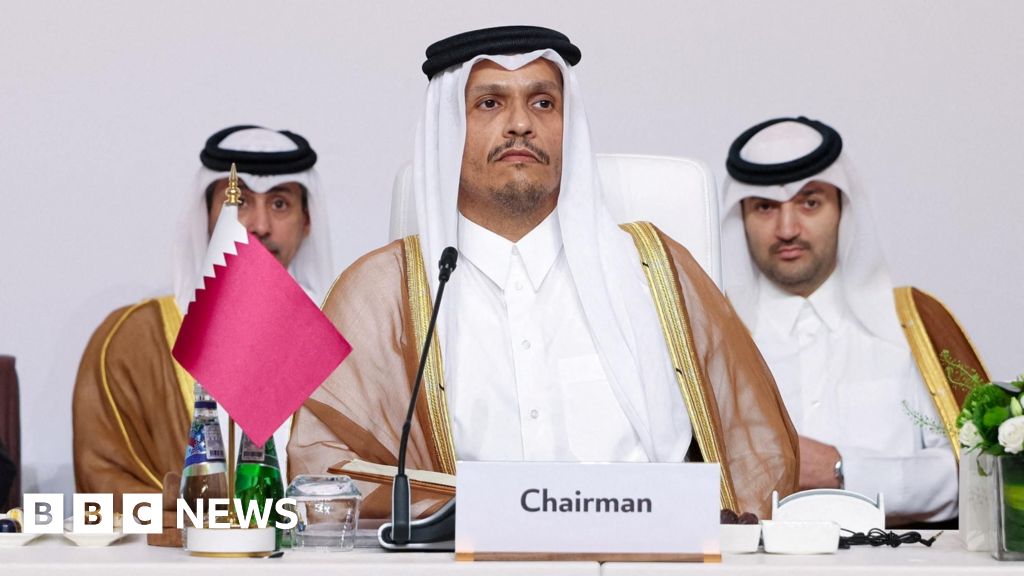
Qatar has agreed to resume its critical mediation efforts in the Gaza conflict following Israeli Prime Minister Netanyahu's expression of regret for a September 9 airstrike in Doha that killed a Qatari security officer and violated Qatari sovereignty. This diplomatic resolution, facilitated by a trilateral call with US President Trump, unblocks a key channel for peace negotiations and coincides with a new US-backed 20-point plan for Gaza that Qatar has presented to Hamas. However, Netanyahu's apology has triggered significant domestic political backlash in Israel, highlighting internal divisions over the conflict's resolution and diplomatic approach.
A significant diplomatic de-escalation has occurred, with Qatar agreeing to resume its critical mediation role in the Gaza conflict after Israeli Prime Minister Netanyahu formally expressed regret for the September 9th airstrike in Doha. This development, facilitated by a US-brokered trilateral call, removes a major obstacle to negotiations and coincides with the introduction of a new US-backed 20-point peace plan, which Qatar is now presenting to Hamas. However, this diplomatic concession has triggered severe domestic political backlash for Netanyahu. He faces sharp criticism from key far-right coalition partners, such as ministers Bezalel Smotrich and Itamar Ben-Gvir, as well as from opposition leaders, who have labeled the move a 'disgrace' and 'humiliation'. This internal political fragility in Israel introduces a significant layer of uncertainty, as the Prime Minister's weakened position could compromise his ability to secure and implement any potential peace agreement, despite the renewed diplomatic pathway.
AI-powered research, real-time alerts, and portfolio analytics for institutional investors.
Request DemoOverall Sentiment
mixed
Sentiment Score
0.05
