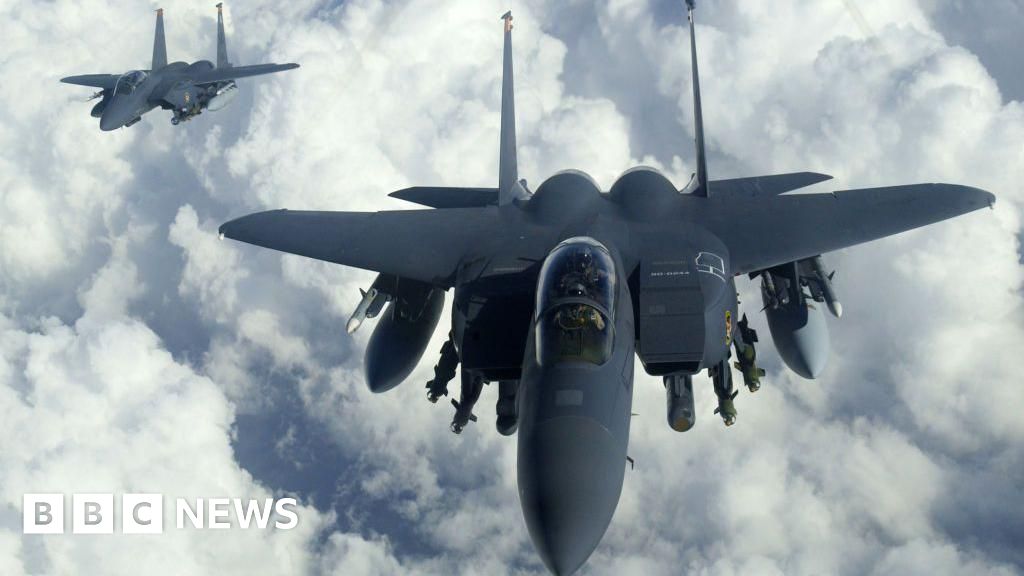
One US F-15E was shot down over southern Iran; one pilot was recovered and a second crew member (weapons systems officer) is missing. A US A-10 involved in the rescue was hit and damaged but its pilot was rescued; Iran's IRGC/state media claim credit and allege two Black Hawk helicopters were also shot. Iran is offering ~£50,000 (~$66,100) for help capturing the missing airman — the incident materially raises regional geopolitical risk, could spur risk-off flows and upward pressure on oil and defense-related assets, and warrants monitoring of oil prices, regional risk premia, and official US military responses.
This incident is a catalytic accelerant for defense procurement and force-structure allocation rather than a one-off market shock. Expect procurement cycles for counter‑air, SAM suppression, electronic warfare and CSAR-specific platforms to be re‑prioritized within 3–12 months; incremental budget moves of 2–5% inside regional defense envelopes can translate into mid‑teens revenue growth for prime contractors on relevant programs.
Markets will front‑run two near‑term transmission mechanisms: risk premium in hydrocarbon shipping/spot crude and a jump in insurance/freight rates across the Gulf trading lanes. A realistic short window (0–30 days) scenario is a $5–$12/bbl realized shock to Brent-equivalents if tanker transits slow or insurers re‑route cargo, while marine freight TC rates for VLCCs/AFRAMAX can spike 30–100% before capacity re‑optimizes.
Primary tail risks are escalation or rapid diplomatic calm: kinetic reprisals or denial/hostage dynamics push the next 7–30 days toward higher volatility and structural supply fear; conversely, a credible de‑escalation (prisoner return, back‑channel concessions, or firm US military deterrence) can erase the bulk of the energy and insurance price premia within 2–6 weeks. Watch asymmetric indicators — AIS traffic patterns, IRGC public posture, CENTCOM force deployments and Congressional signaling — for decisive reversal cues that typically preceed market mean reversion.
AI-powered research, real-time alerts, and portfolio analytics for institutional investors.
Request DemoOverall Sentiment
strongly negative
Sentiment Score
-0.60
