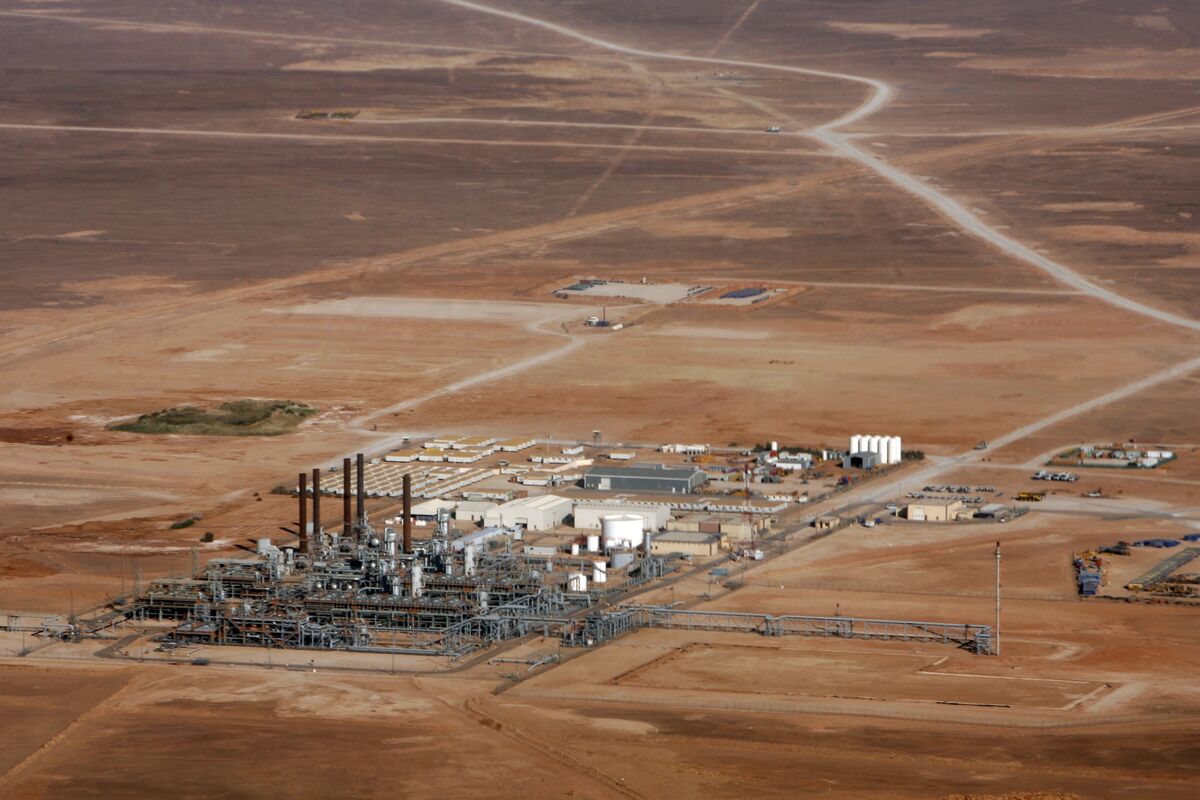
The ongoing war in the Middle East has pushed European officials to seek additional natural gas supplies from Algeria, making North Africa a critical source as European energy security is pressured. This shift is likely to tighten European gas markets and put upward pressure on regional gas prices, benefiting Algerian exporters, pipelines and terminal operators. Portfolio managers should monitor Algerian export volumes, pipeline/terminal capacity and spot gas spreads versus TTF for near-term price moves and supply-risk repricing.
Winners are state-exporters and midstream owners who can re-route or ramp shipments quickly: Algerian export authorities gain immediate pricing leverage and European pipeline/LNG terminal operators capture congestion rents. Second-order winners include US and Qatari LNG sellers who can divert spot cargoes into Europe at higher netbacks; losers are European heavy industry and fertilizer producers facing sustained input-cost shocks and potential margin compression.
Key near-term catalysts are durability of alternative supply flows (weeks–months), LNG tanker availability and shipping-route frictions (days–weeks), and political decisions to lock multi‑year contracts (months–years). Tail risks that would reverse the move rapidly include a diplomatic de‑escalation that restores previously sidelined Middle‑East flows, a severe Algerian domestic disruption or technical outage at export points, or coordinated European price caps/interventions — any of which can rerate spreads inside 30–90 days.
Tradeable mechanics: increased Algerian-to-Europe flows tighten global spot LNG, steepening the TTF/JKM spread and widening producer margins versus consumer hedges; that creates asymmetric upside in export‑exposed equities and options and symmetric downside for energy‑intensive European names. Watch seasonal storage refill windows (spring–summer) as the logical timeframe when temporary premium fades if longer‑term contracts aren’t clinched.
Contrarian read: consensus treats Algerian flows as a durable European backstop — that underprices two constraints: export capacity inflexibility and Algeria’s domestic political optionality. If Europe overpays to secure volumes, we could see an equilibrium with structurally higher European gas floors but also faster investment in demand substitutes (storage, renewables, coal-to-gas reversion) that limits upside to producers beyond 12–24 months.
AI-powered research, real-time alerts, and portfolio analytics for institutional investors.
Request DemoOverall Sentiment
mildly positive
Sentiment Score
0.20
