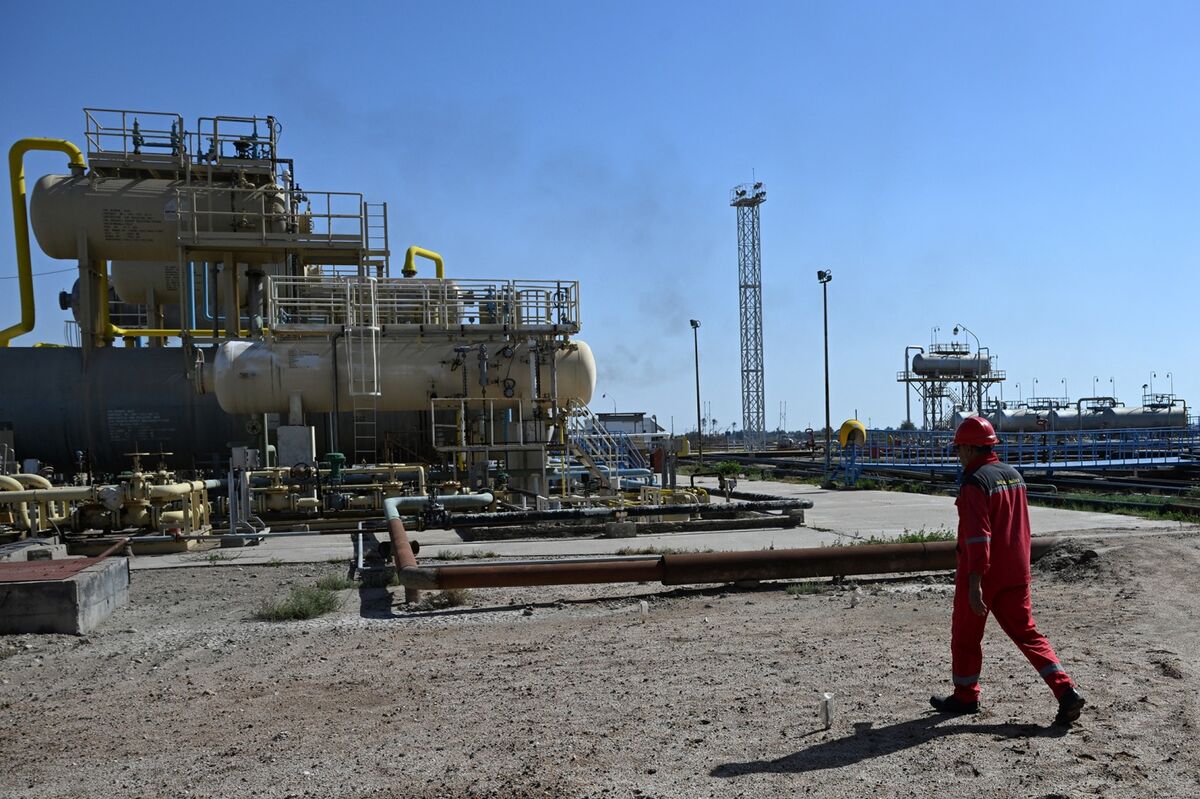
Vitol is offering Iraqi Basrah Medium and Basrah Heavy crude to refiners on a ship-to-ship transfer basis off Fujairah, suggesting some cargoes may have successfully exited the Persian Gulf. The report points to continued physical oil flows despite regional geopolitical risk, but it does not confirm a disruption or a major supply shock. Market impact is moderate because the article signals logistics and routing developments rather than a definitive change in supply fundamentals.
This is less about one cargo and more about optionality around Gulf transit risk. If barrels can be priced and re-routed outside Hormuz, the market is quietly testing a parallel export channel that reduces the probability of a hard stop in Iraqi supply, but does not eliminate the pricing premium tied to shipment uncertainty. The first-order effect is on freight and basis differentials, not just flat price: Fujairah STS activity should support marine insurance, VLCC utilization, and prompt crude differentials for grades that can physically bypass bottlenecks. The more interesting second-order effect is on refinery procurement behavior. Buyers with flexible crude slates will likely increase optionality inventory in the next 2-6 weeks, which can temporarily tighten medium-sour availability outside the Gulf even if headline export volumes remain stable. That should favor refiners with access to non-Gulf alternatives and hurt plants optimized for Iraqi sour barrels if they are forced to compete for replacement supply at the margin. Contrarian read: the market may be overpricing the signaling value of a few STS cargoes. If this is a one-off rerouting rather than a durable logistics corridor, the price impact should fade once inventories normalize and the freight premium compresses. The real tail risk is escalation that closes or impairs the route again; that would turn a modest logistics story into a sharp short-duration squeeze in sour crude and product cracks within days, while any de-escalation would unwind most of the premium within weeks.
AI-powered research, real-time alerts, and portfolio analytics for institutional investors.
Request DemoOverall Sentiment
neutral
Sentiment Score
0.05
