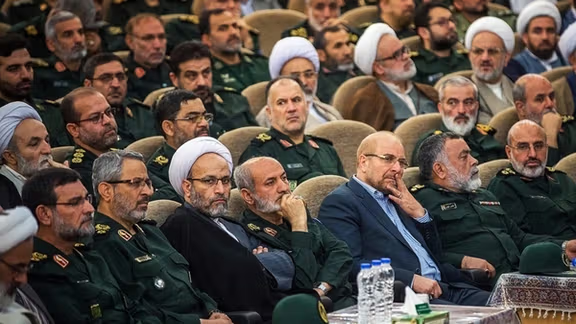
IRGC reported strikes on Israeli military satellite reception stations using long- and medium-range missiles and drones in its 79th wave of operations. Reports indicate Iran has begun charging roughly $2 million per tanker for passage through the Strait of Hormuz and hardline commentary proposes a $50/ barrel-style levy, while President Trump said Iran offered a “very significant” oil/gas prize amid indirect talks involving senior US envoys. Implication: elevated geopolitical risk to oil/shipping markets, higher risk premia and volatility for energy prices, and increased uncertainty around sanctions negotiations and diplomatic channels.
Attacks on satellite reception infrastructure and the parallel push to monetize control of the Strait materially raise the short-term cost of situational awareness and seaborne transit. Expect a rapid rise in spot tanker rates (VLCC/AA/RORO bucket) and a discrete insurance premium shock for shipments touching the Persian Gulf within days — bottlenecks that translate into immediate refinery margin pressure in Europe and Asia and higher Brent backwardation.
Because Iran cannot easily clear sanctions through formal banking, market participants will increasingly rely on opaque payment channels and creative routing; that favors owners willing to run reputational/AML risk and accelerates use of shadow shipping pools, ship-to-ship transfers, and surrogate flagging. Those mechanics concentrate counterparty risk in mid-cap tanker owners and niche maritime service providers while simultaneously pressuring P&I clubs and reinsurers, creating a short-duration liquidity squeeze in those markets.
Timeframes: expect freight and insurance spikes inside 0–30 days; partial normalization (and structural re-pricing of risk premia) over 3–9 months as shippers re-contract and navies/escorts scale up; a full strategic reordering of routes and payment mechanisms would take 12–36 months. Key reversal catalysts are a credible naval escort guarantee, a durable indirect diplomatic deal, or rapid technical mitigation of ISR degradation (satcom redundancy), each of which could erase much of the near-term risk premium in weeks. Tail risks (Strait closure or broader regional war) would create multi-month supply shocks and justify much larger position sizing only for properly hedged players.
AI-powered research, real-time alerts, and portfolio analytics for institutional investors.
Request DemoOverall Sentiment
strongly negative
Sentiment Score
-0.65
