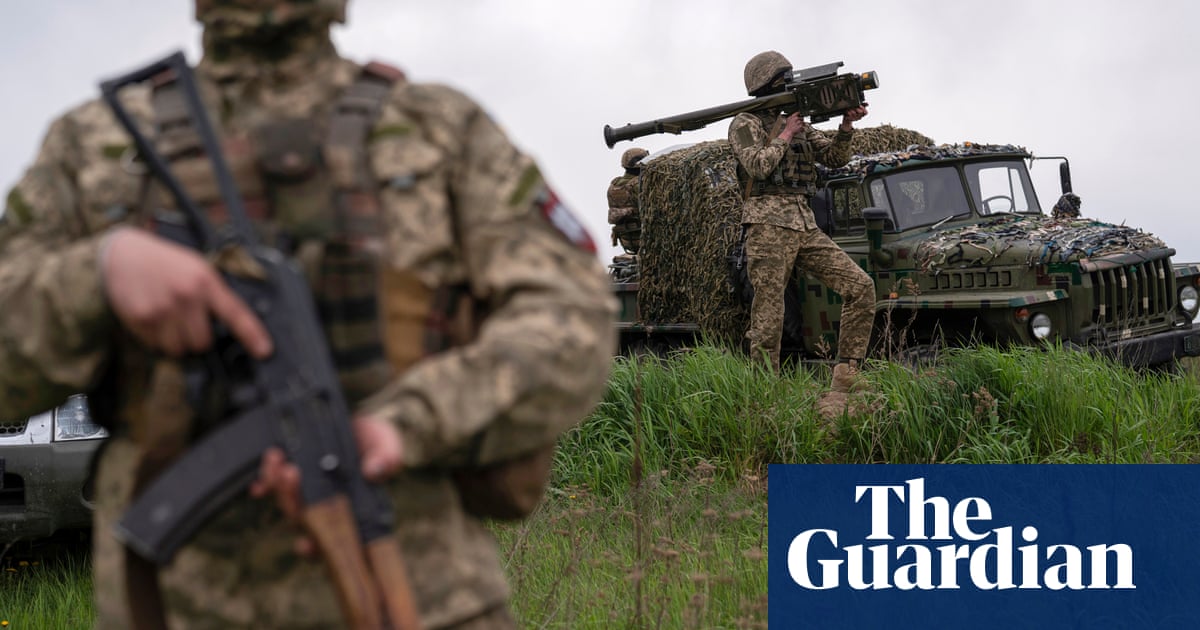
NATO Secretary General Mark Rutte anticipates member nations will agree to a defense spending target of 5% of GDP, with 3.5% allocated to core military expenditures, at the upcoming summit in The Hague, citing an increased threat from Russia, which could be ready to attack within five years. This proposed increase aims to bolster air defenses, armored vehicles, and artillery stockpiles to match Russian production levels, prompting a sharp rebuke from the Kremlin, which views the plan as an act of aggression; the UK is expected to support the plan, aligning with pressure from the US for increased defense investment.
NATO Secretary General Mark Rutte's proposal for member states to elevate defense spending to 5% of GDP, with 3.5% specifically for core military capabilities, signals a significant strategic shift driven by the assessment that Russia could be prepared to attack the alliance within five years. This planned "quantum leap in our collective defence" necessitates a substantial rearmament effort, including a 400% increase in air and missile defense, thousands more tanks, and millions more artillery shells, aiming to match Russian production levels and replenish stockpiles depleted by aid to Ukraine and a prolonged post-Cold War peace. Western military planners anticipate Russia will maintain an active army of over 600,000 personnel and defense spending around 6.5% of its GDP. The proposal, expected to be discussed at an upcoming summit in The Hague, has drawn support from nations like the UK, which itself plans to increase defense spending from the current 2.33% of GDP to 3% in the early 2030s, partly influenced by US calls for greater burden-sharing, including from figures like Donald Trump who has pressed for the 5% target. While the exact timeline for achieving the 5% target remains under negotiation among allies, with Rutte initially proposing 2032 and other countries suggesting 2035, the Kremlin has condemned the initiative as an "instrument of aggression and confrontation." The "mildly negative" sentiment and "high" market impact score (0.7) associated with this development reflect the heightened geopolitical tensions and the substantial fiscal and industrial reallocations implied by such a significant increase in defense expenditure across NATO countries.
AI-powered research, real-time alerts, and portfolio analytics for institutional investors.
Request DemoOverall Sentiment
mildly negative
Sentiment Score
-0.30
