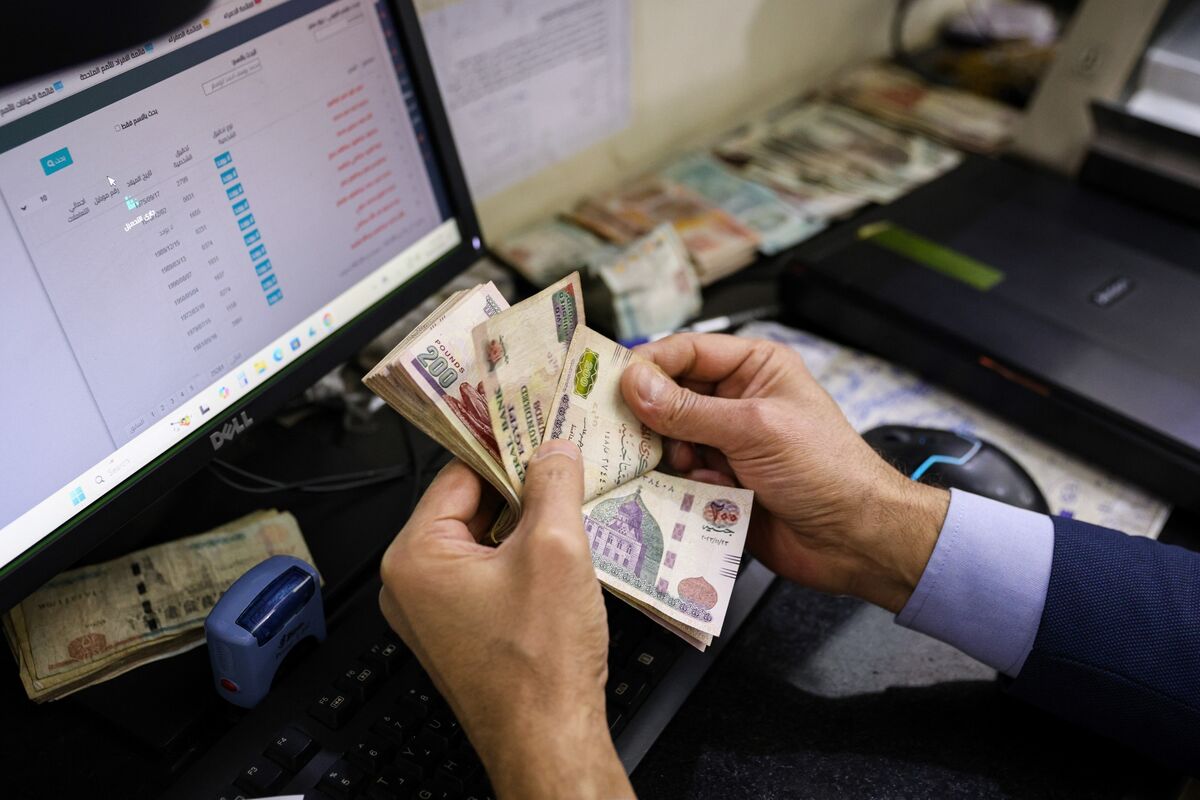
Egypt is widely anticipated to cut its benchmark deposit rate from 24% on Thursday, with all six economists surveyed by Bloomberg expecting a 100-200 basis point reduction. This move is primarily driven by slowing domestic inflation and a strengthening Egyptian pound, alongside the broader expectation of US Federal Reserve easing, signaling improved economic stability and potentially lower borrowing costs.
Egypt's central bank is poised for a significant monetary policy pivot, with a unanimous consensus among economists surveyed by Bloomberg forecasting an interest rate cut on Thursday. The expected reduction from the current 24% benchmark deposit rate is projected to be between 100 and 200 basis points. This anticipated easing is underpinned by a confluence of favorable macroeconomic developments, including a deceleration in domestic inflation and a strengthening Egyptian pound, which together provide the central bank with the flexibility to adopt a more accommodative stance. The move is further supported by the external environment, specifically the prospect of a US Federal Reserve rate cut next month, which typically alleviates pressure on emerging market central banks. The strongly positive sentiment and optimistic tone associated with this news indicate that the market views these developments as a sign of improving economic stability in Egypt.
AI-powered research, real-time alerts, and portfolio analytics for institutional investors.
Request DemoOverall Sentiment
strongly positive
Sentiment Score
0.75
