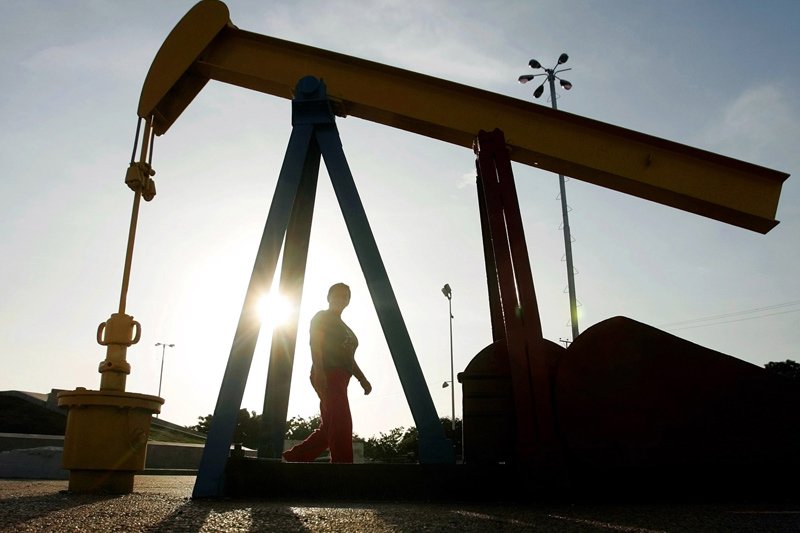
IEA Director Fatih Birol said commercial oil inventories are shrinking rapidly and will keep falling for several weeks, while fertilizer and diesel prices are rising as the travel and planting season begins. He warned that higher energy costs could lift food prices and materially add to inflation. The comments reinforce a tighter commodity backdrop and are likely supportive for oil while pressuring risk assets, bonds, and inflation-sensitive markets.
The immediate macro implication is not just “higher oil,” but a broader re-acceleration in input-price pass-through at a point when inventories are already lean. That makes the next inflation prints more vulnerable to upside surprises, especially in the components most sensitive to transport and fertilizer, which typically lag crude by several weeks. The market is likely underestimating the second-order effect on margin compression in consumer staples, food producers, airlines, and freight-heavy industrials because the shock hits both the cost base and, with a delay, demand elasticity.
The better relative winner is not broad energy beta, but upstream and service names with low decline rates and short-cycle cash conversion, because the signal from shrinking commercial stocks tends to support prompt pricing before it lifts long-dated expectations. In contrast, refiners are a more mixed setup: crude strength can help crack spreads initially if product supply stays tight, but sustained feedstock inflation without equivalent product demand usually turns into inventory mark-to-market pain. The most fragile linkage is agriculture, where fertilizer costs and diesel matter twice — directly in operating costs and indirectly through planting decisions — creating a delayed but potentially material squeeze on margins over the next 1-2 quarters.
The market’s consensus may be too focused on “energy up = inflation up” and not enough on policy reaction function. If the next few CPI/PPI prints firm, duration assets become vulnerable even if growth slows, which is the uncomfortable stagflationary mix that typically helps commodities, cash-rich energy equities, and inflation hedges while hurting long-duration software and highly levered cyclicals. The reversal risk is a coordinated reserve release or a demand wobble from weaker global activity; that would cap the move quickly, so timing matters more than conviction here.
A contrarian view is that the move may still be underpriced in equities outside energy because the inflation impulse is likely to show up before consensus revisions to earnings. That creates a window where equity indices can gap lower on macro fear while energy and real-asset exposures outperform, even if crude itself only grinds higher rather than spikes. The cleaner expression is to own inflation beneficiaries and short the most energy-intensive, price-taker sectors rather than trying to be heroically long oil at an already crowded macro level.
AI-powered research, real-time alerts, and portfolio analytics for institutional investors.
Request DemoOverall Sentiment
mildly negative
Sentiment Score
-0.25
