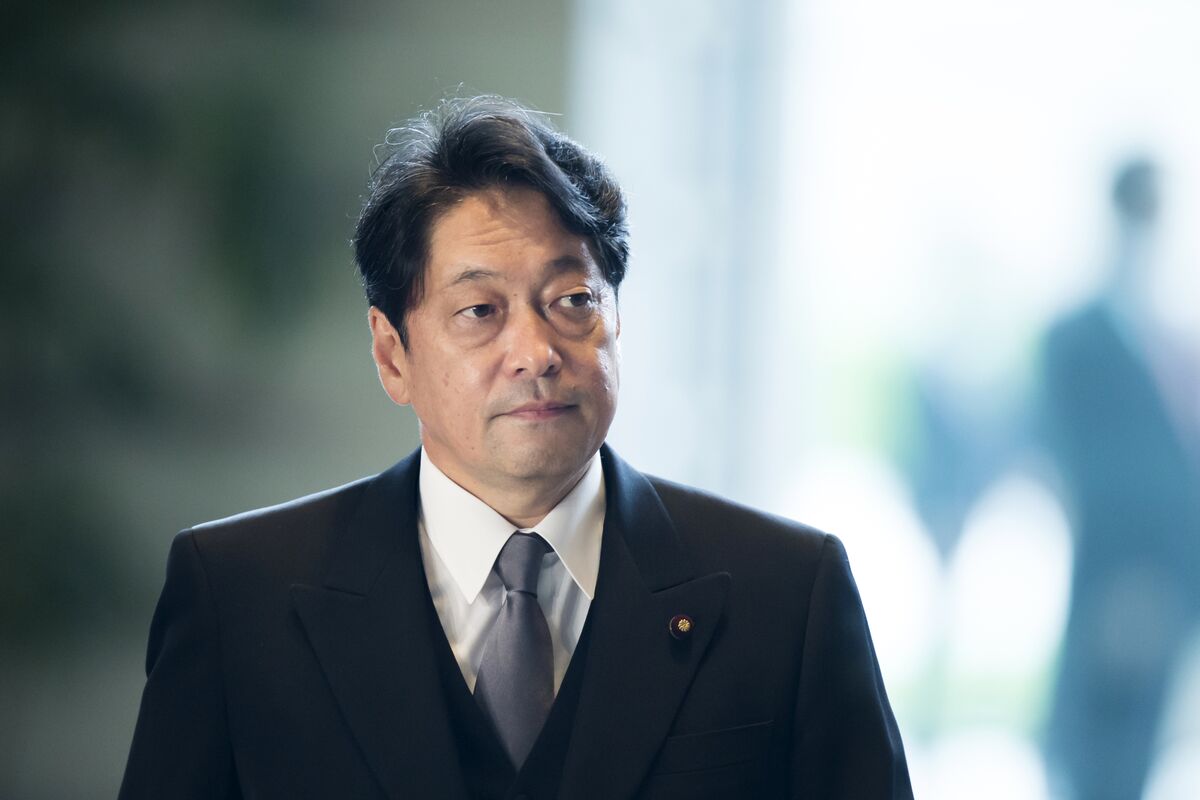
Japan's ruling Liberal Democratic Party policy chief, Itsunori Onodera, rejected calls from the Trump administration for Japan to target 5% of GDP for defense spending. Onodera emphasized that Japan should prioritize enhancing the quality and transformation of its defense capabilities rather than merely focusing on spending targets, arguing that effective defense is not simply about "throwing money at it." This stance highlights a divergence in strategic approaches to defense modernization and burden-sharing between the key allies.
Japan's ruling Liberal Democratic Party is signaling a strategic divergence from US pressure on defense expenditure. Policy Chief Itsunori Onodera's statement explicitly rejects a quantitative target, such as the 5% of GDP suggested by the Trump administration, in favor of a qualitative approach focused on modernizing defense capabilities. This position emphasizes that Japan's defense strategy will be driven by its own assessment of evolving warfare technologies rather than external spending benchmarks. This stance implies that future Japanese defense budgets will likely prioritize targeted investments in advanced systems and technological transformation over a simple, broad-based increase in military procurement. While the immediate market impact is low, this policy orientation sets the long-term trajectory for Japan's defense industrial base and fiscal priorities, indicating a potential point of friction in US-Japan alliance management regarding burden-sharing.
AI-powered research, real-time alerts, and portfolio analytics for institutional investors.
Request DemoOverall Sentiment
neutral
Sentiment Score
0.00
