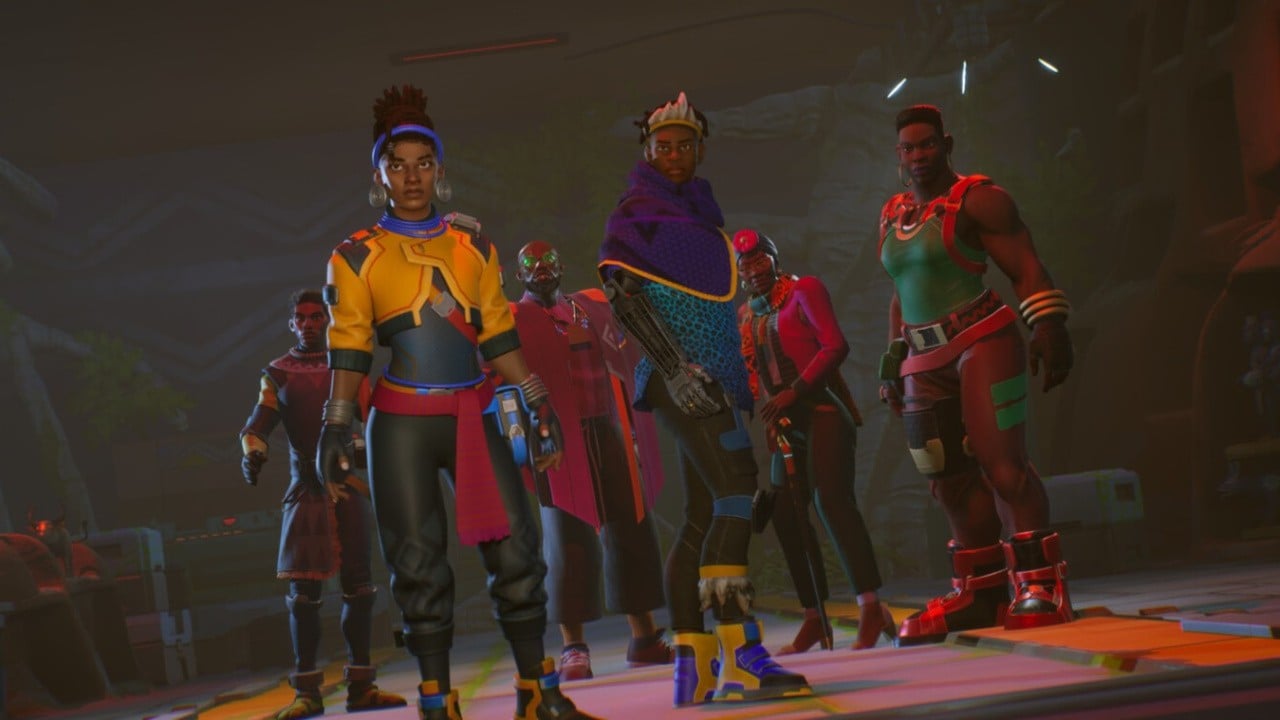
Microsoft's Game Pass Ultimate added Nyamakop's Relooted as a day-one title across Series X|S, PC and Cloud, a narrative-driven Africanfuturist heist platformer that centers on reclaiming African artifacts. Early critical reception is generally favorable (Video Chums 8.3/10, Checkpoint Gaming 7.5/10, Gaming Trend 6/10) and the demo holds a 'Mostly Positive' rating on Steam, suggesting modest player interest. While unlikely to move markets materially, the addition enhances Game Pass content breadth and could marginally aid subscriber engagement and retention dynamics for Xbox's services segment.
Market structure: Microsoft (MSFT) and other subscription/first-party platforms are the clear beneficiaries as day-one indie inclusions like Relooted increase perceived Game Pass value; expect modest upward pressure on subscriber growth and retention (estimated +1–3% retention lift per high-quality indie hit) and continued margin mix shift from one-time sales to recurring revenue. Losers include brick-and-mortar/transactional retail (GameStop, GME) and publishers that rely on full‑price launches (e.g., TTWO, EA) who may see pricing power erode by an estimated 5–15% on new-release ARPUs over several years. Cross-asset effects are small but real: MSFT equity vols may compress on positive subscriber prints, pressure on select retail/equity credit spreads, and negligible FX/commodity impact.
Risk assessment: Tail risks include regulatory/antitrust action on bundling (EU/US investigations within 12–24 months), reputational/political backlash given the game's subject matter, and developer pushback on revenue share that could raise content costs by 10–30%. Immediate market impact is muted (days); short-term (weeks–months) hinges on quarterlies and marquee releases; long-term (2–5 years) depends on Game Pass ARPU trajectory and cloud gaming margins. Hidden dependencies: retention elasticity to content cadence and marginal cost per retained subscriber (if content acquisition cost > incremental LTV, economics break).
Trade implications: Direct play is a modest long MSFT exposure: 1–2% portfolio weight pre-earnings (next 4–8 weeks), or a conservative options structure: buy a 3‑month 10% OTM call and sell a 3‑month 20% OTM call (0.5% notional) to cap cost. Pair trade: long MSFT vs short TTWO (0.5:0.3 weight) to capture secular premium-pricing pressure; trim or short small positions in GME/brick‑and‑mortar retail (0.25–0.5% notional) as structural decline accelerates. Rebalance after subscriber/ARPU print.
Contrarian angles: The market underappreciates that low-cost indies can meaningfully raise engagement at tiny acquisition cost (single titles <$1–5m vs AAA $50–100m), implying upside to Game Pass margins if MSFT scales this strategy—ARPU up 10–20% via ancillary spend would add 2–4% to EPS annually. Conversely, the consensus may be complacent about regulatory risks; set concrete stop-loss triggers (e.g., reduce MSFT if shares fall >7% on antitrust headlines) and watch for developer revolt or forced revenue-share changes that could reverse the trade.
AI-powered research, real-time alerts, and portfolio analytics for institutional investors.
Request DemoOverall Sentiment
mildly positive
Sentiment Score
0.25
