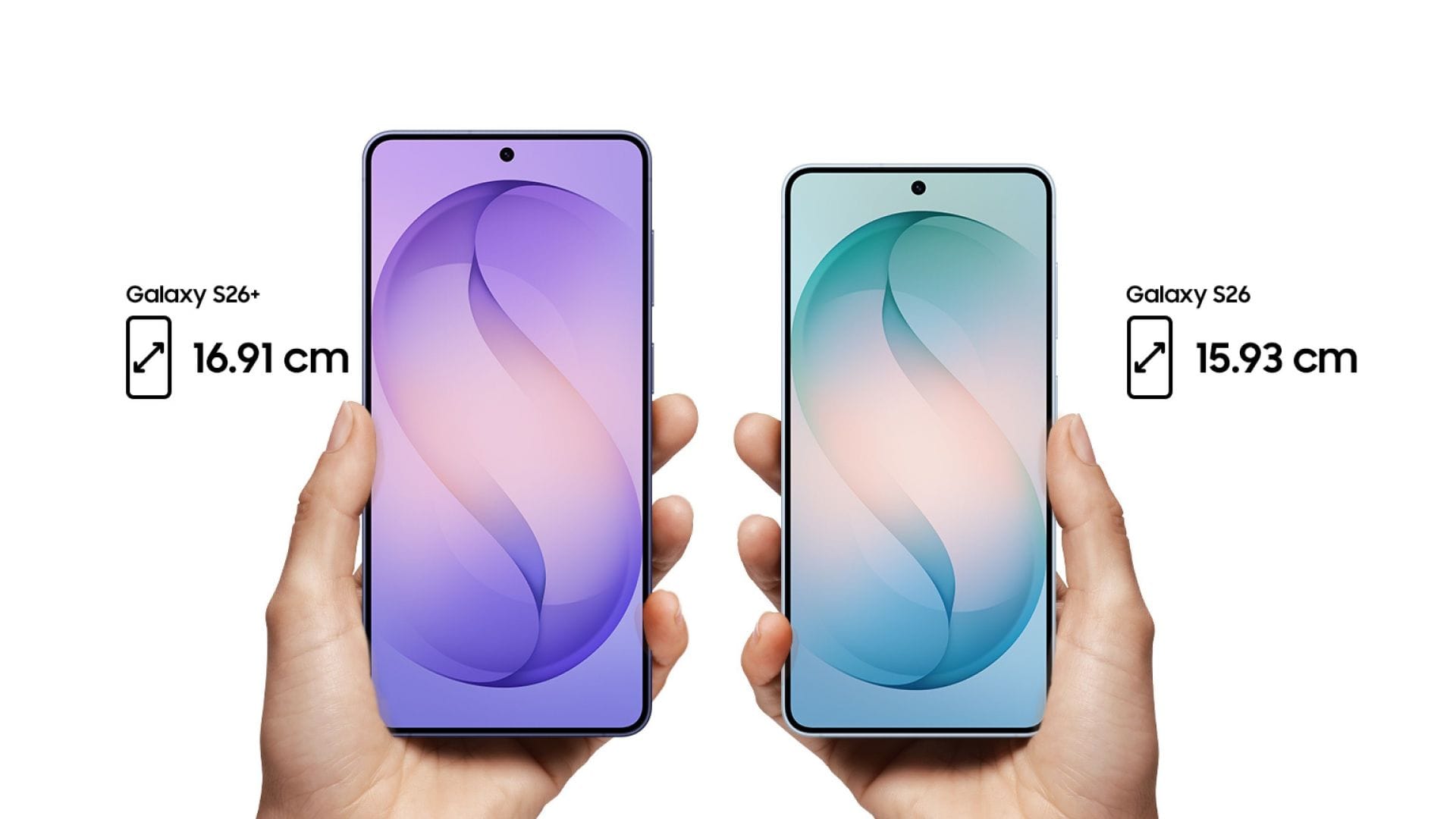
A Samsung SM-S741U engineering sample (likely Galaxy S26 FE) appeared on Geekbench and reportedly uses the older Exynos 2500; Exynos 2600 scores ~37% higher single-core, ~29% higher multi-core and ~43% higher in 3DMark GPU. The article argues Samsung would need to price the FE at least $180 (~₹25,000) below the standard S26 to justify the material performance and battery-life compromises, but memory-cost inflation makes such a discount unlikely. Recommendation: avoid buying the S26 FE at launch; wait several months for expected meaningful price declines.
Samsung’s likely decision to launch a lower-performance FE at a much smaller discount than past generations creates a two-way liquidity and share-allocation problem across the smartphone ecosystem. Value-conscious buyers who would have upgraded within Samsung’s ecosystem will either delay purchases (pressuring near-term volumes) or migrate to competing mid/upper-mid OEMs — expect share shifts to begin inside 1–3 quarters after launch and to concentrate in the US/India price-sensitive cohorts.
On the supply side, higher component ASPs (memory, displays, cameras) combined with a weaker value proposition compress handset gross margins and shift bargaining power back toward chip and memory suppliers. That dynamic favors vertically independent suppliers with excess pricing power and constrained OEM manufacturing that cannot easily absorb cost increases; conversely, it creates upside inventory risk for Samsung’s channel and carriers who pre-buy to hit launch windows.
From a cyclical and product-design lens, a heavier reliance on an older SoC amplifies non-linear second-order costs: worse battery efficiency raises warranty and return rates, and inferior GPU performance shortens perceived device lifespan for gaming-heavy segments — both force faster replacement cycles or accelerate trade-ins, altering used-device pricing and the refurbished market within 6–12 months. Watch three near-term catalysts that will move price discovery and market share: official FE price, memory spot trajectories, and any last-minute SoC supplier swaps announced at launch.
The consensus risk is over-penalizing Samsung’s entire handset franchise instead of isolating the FE SKU; Samsung can mitigate with regional Snapdragon variants, carrier subsidies, or extended trade-in credits that blunt share losses. That makes micro trades on suppliers and option structures superior to a blanket long/short on the OEM — tradeable asymmetry exists in the supply chain and aftermarket rather than the headline brand value itself.
AI-powered research, real-time alerts, and portfolio analytics for institutional investors.
Request DemoOverall Sentiment
mildly negative
Sentiment Score
-0.30
Ticker Sentiment
