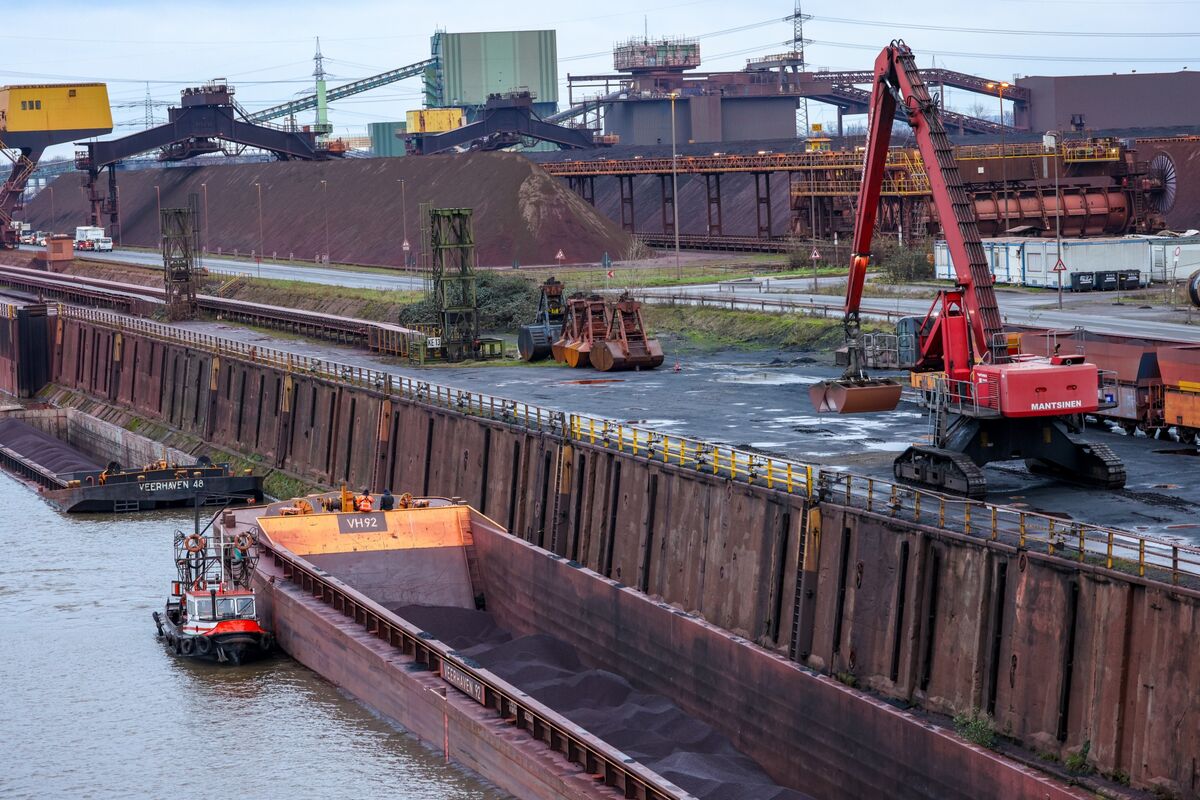
Thyssenkrupp Steel Europe AG and the IG Metall union have finalized a restructuring agreement, enabling planned job cuts without forced layoffs through 2030 while securing long-term investments and limiting outsourcing. This deal, which also grants labor representatives input on efficiency measures, is a critical step in the company's turnaround strategy, providing crucial labor stability and clarity for its steel division.
Thyssenkrupp Steel Europe AG has achieved a critical milestone in its turnaround strategy by finalizing a restructuring agreement with the IG Metall union. The deal provides a clear pathway for planned job reductions while crucially avoiding forced layoffs through 2030, a concession that significantly mitigates the risk of disruptive labor actions. This agreement provides long-term operational stability by not only addressing headcount but also securing commitments for future investment, limiting outsourcing, and giving labor representatives influence over efficiency measures. This collaborative framework is a key de-risking event, removing a major uncertainty that has likely been an overhang on the company's steel division. The moderately positive sentiment signals that while this is a constructive step, the broader challenges of the steel industry and the execution of the turnaround plan remain paramount.
AI-powered research, real-time alerts, and portfolio analytics for institutional investors.
Request DemoOverall Sentiment
moderately positive
Sentiment Score
0.50
