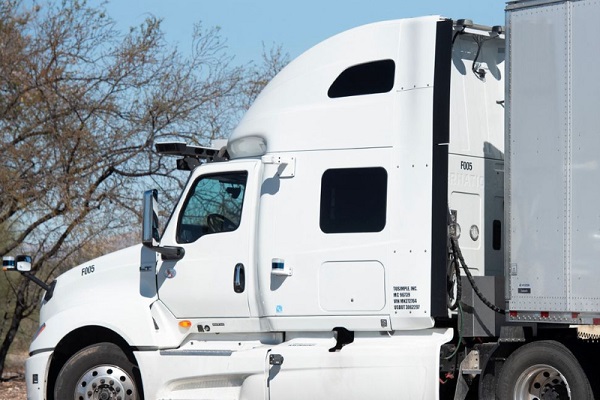
President Donald Trump announced new tariffs, including a 25% duty on heavy-duty trucks effective October 1, 2025, alongside 100% on branded drugs and significant levies on household goods. This led to German truckmakers Traton and Daimler Truck slipping 2-3% due to their Mexican manufacturing exposure, while Volvo rose over 3% given its U.S.-centric North American production. The policy, aimed at bolstering domestic manufacturing, introduces uncertainty regarding its final scope and potential to further elevate costs for U.S. producers, impacting supply chains and pricing dynamics across multiple sectors.
The announcement of a 25% tariff on imported heavy-duty trucks, effective October 1, 2025, has created a clear divergence in the automotive sector based on manufacturing geography. Shares of German truckmakers Traton and Daimler Truck declined 2-3% due to their significant production exposure in Mexico, from which trucks often enter the U.S. tariff-free under the USMCA. In contrast, Volvo shares rose over 3% as its North American production is concentrated within the U.S., positioning it favorably against this new trade barrier. A critical uncertainty remains whether this tariff will apply broadly or exempt vehicles that meet USMCA's North American content requirements, a detail that will determine the severity of the impact on cross-border supply chains. The policy also introduces significant tariffs on other sectors, including a 100% levy on branded drugs and 30-50% on certain household goods, signaling a wider protectionist push that could elevate costs for importers and consumers. This situation echoes previous metal tariffs which, despite their intent, drove up input costs for domestic producers, suggesting these new measures could also have complex second-order effects on U.S. manufacturing competitiveness and inflation.
AI-powered research, real-time alerts, and portfolio analytics for institutional investors.
Overall Sentiment
moderately negative
Sentiment Score
-0.50
Ticker Sentiment
