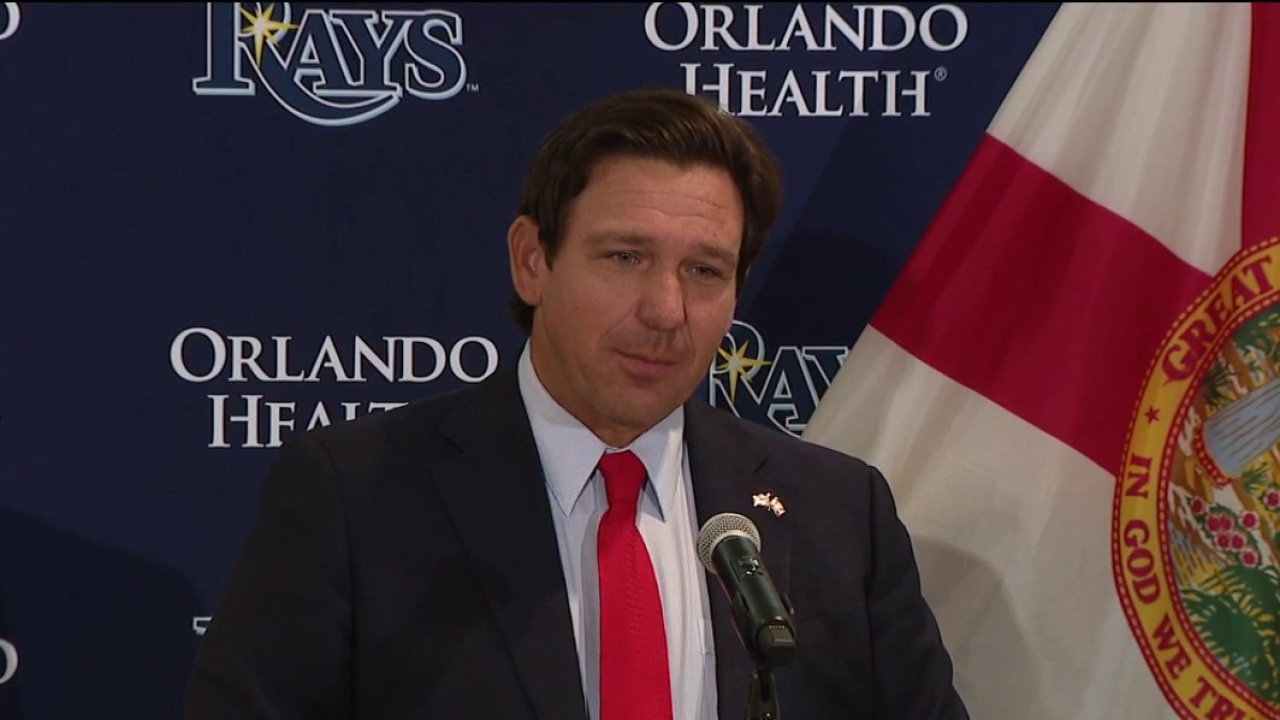
Governor Ron DeSantis, MLB Commissioner Rob Manfred and the Rays ownership publicly backed a plan to develop a 'College District' on 113 acres of state-owned Hillsborough College land, with the team slated to lease the site for at least 99 years and an MOU granting a 180-day exclusive negotiation window. Hillsborough trustees voted to pursue the partnership but local officials have ruled out general-revenue funding, leaving an estimated 50% public funding gap the Rays propose to bridge with visitor-focused levies (tourist/hotel taxes, car-rental fees, ticket surcharges), CRA capture and special taxing districts; college relocation costs and a viable public-financing framework remain to be determined. State-level political support reduces a key hurdle, but execution and financing risk are material and will determine project viability and local fiscal impacts.
Market structure: The governor and MLB alignment materially raises the probability (from market-implied ~30% to >60%) that a Tampa stadium deal advances through the 180-day exclusive negotiation window, driving localized demand for construction, materials, hospitality and retail. Winners are construction/materials suppliers (aggregate cement/aggregates, site contractors), hospitality/hotel REITs and nearby retail/residential developers; losers are holders of long-duration, single-asset municipal revenue bonds sized to this project and any competing Florida destinations that lose share of events. The 50% public funding gap implies significant issuance of targeted revenue bonds or special assessments rather than general obligation munis, compressing credit spreads for comparable municipal issues in the region.
Risk assessment: Tail risks include county political reversal or legal challenges that blow up the deal (low probability, high impact), a realized stadium build cost of $1–2B that requires larger public subsidies, or tourism shortfalls that undercut projected tax flows. Time horizons: ballots/commission votes and financing structure clarity will arrive within 90–180 days; construction/out-performance impacts are 2–5 years. Hidden dependencies: property-value uplift depends on complementary rezoning and anchor retail leases; CRA funding is circular and sensitive to developer pre-leasing rates.
Trade implications: Tactical longs: regional hotel/hospitality (HST, MAR) and building-materials (VMC, MLM) with 6–36 month horizons; use call spreads to limit capital. Defensive/credit trades: trim long-duration municipal exposure (e.g., reduce MUB allocation) and rotate into short-duration cash-equivalents (MINT) or high-quality corporates if revenue-bond issuance risk rises. Catalyst windows: 30–90 days around county hearings, and 180-day MOU expiry — size increases if public financing plan commits >50% of gap to tourist taxes/assessments.
Contrarian angles: The market underestimates execution risk: local commissioners already refused general-fund support, so structured-finance complexity could delay or dilute developer upside — that argues for staggered position sizing and buying hospitality/materials on pullbacks >8–12% or if MOU approvals slip beyond 180 days. Historical parallels (e.g., NFL stadium negotiations) show multi-year timelines and frequent scope creep; expect cost overruns and renegotiations that create trading windows to sell rallies rather than hold passively.
AI-powered research, real-time alerts, and portfolio analytics for institutional investors.
Request DemoOverall Sentiment
mildly positive
Sentiment Score
0.28
