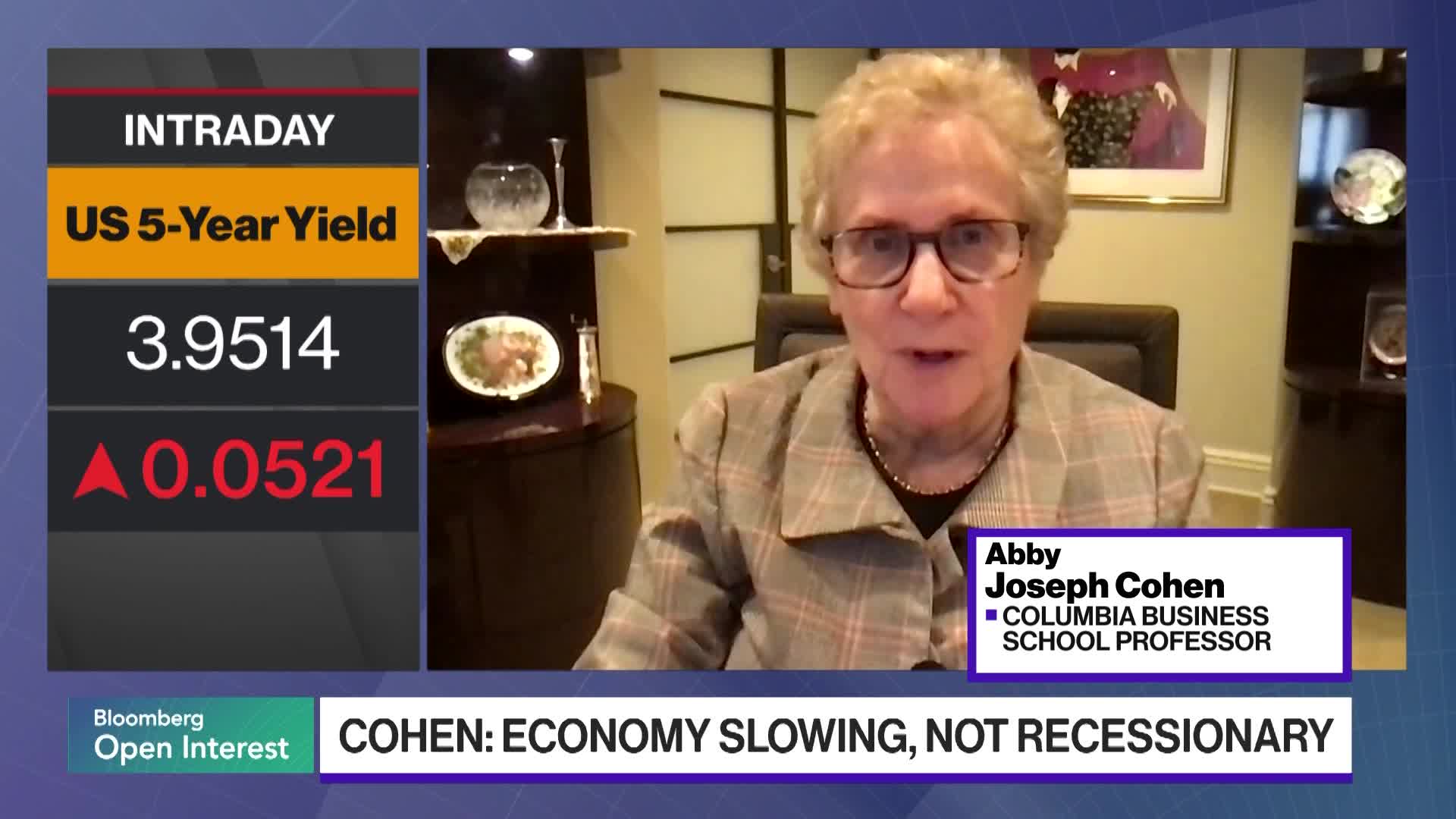
Columbia Business School Professor Abby Joseph Cohen has drawn a critical parallel between current tariffs and the Smoot-Hawley tariffs of the 1930s, which historians widely cite as an economic disaster. This comparison suggests a potential for significant negative economic consequences, offering a historical cautionary note for investors regarding the ongoing trade landscape.
Abby Joseph Cohen, a professor at Columbia Business School, has drawn a direct and cautionary parallel between current tariff policies and the Smoot-Hawley tariffs of the 1930s. This comparison is significant as the Smoot-Hawley Act is widely cited by historians as an economic disaster that exacerbated the Great Depression by triggering retaliatory tariffs and causing a collapse in global trade. The associated "strongly negative" sentiment and "pessimistic" tone underscore the severity of this warning. By invoking this specific historical precedent, the analysis suggests that current protectionist measures pose a material risk of significant, broad-based economic disruption, rather than being a limited, sector-specific issue. The moderate market impact score of 0.6 indicates that investors perceive this escalating trade-policy risk as a critical factor for the overall market outlook, affecting themes of trade policy, supply chains, and fiscal strategy.
AI-powered research, real-time alerts, and portfolio analytics for institutional investors.
Request DemoOverall Sentiment
strongly negative
Sentiment Score
-0.75
