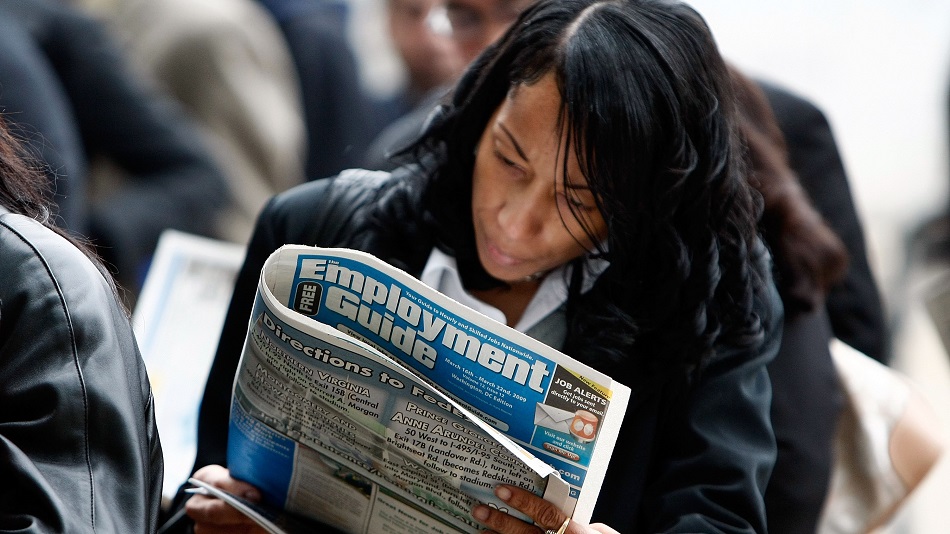
US continuing jobless claims have risen to their highest level since November 2021. This increase signals a potential softening in the labor market, which could influence Federal Reserve monetary policy decisions and broader economic outlooks for institutional investors.
US continuing jobless claims have surged to their highest level since November 2021, a significant data point indicating a potential softening in the domestic labor market. This increase suggests that unemployed individuals are facing greater difficulty in securing new positions, which could translate into reduced wage pressure and a cooling of inflationary forces. For the Federal Reserve, a weakening labor market is a critical variable that could influence the path of monetary policy, potentially providing the rationale for a more dovish stance or future interest rate cuts. The strongly negative sentiment and bearish tone associated with this release underscore its interpretation as an adverse economic signal, heightening concerns about a potential slowdown in broader economic activity.
AI-powered research, real-time alerts, and portfolio analytics for institutional investors.
Request DemoOverall Sentiment
strongly negative
Sentiment Score
-0.70
