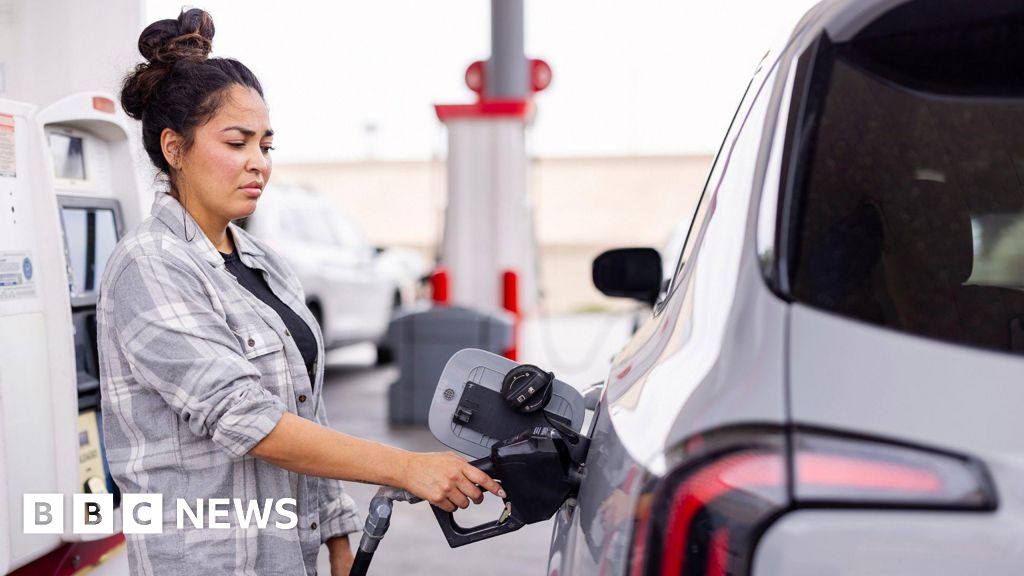
UK inflation rose to 3.3% in March from 3.0% in February, with motor fuel up 8.7% month on month and fuel prices up 4.9% year on year after the Iran war pushed higher energy costs through the economy. Food inflation also accelerated to 3.7%, and economists now expect inflation could peak around 3.5%-4.0%, increasing the odds the Bank of England keeps rates at 3.75% or remains hawkish. The news has broad macro implications for UK consumers, businesses, and monetary policy.
This is a classic second-round inflation impulse, not just a headline energy pop. The important market mechanism is the lag: fuel hits immediately, but food, chemicals, freight, packaging, and maintenance costs bleed through over the next 1-3 quarters, which means the inflation peak is likely later and stickier than the first print suggests. That raises the probability of a more hawkish central-bank reaction even if growth momentum softens, a mix that typically compresses long-duration equity multiples and keeps front-end rates elevated.
The UK-specific loser set is broad but uneven. Consumer-facing discretionary names with thin pricing power are exposed first, then transport, logistics, and food retail margin structure gets squeezed as input costs reprice faster than shelf prices; the real margin damage often appears with a delay, when wage negotiations reset off a higher cost base. Energy-heavy producers and select domestic inflation beneficiaries may see temporary relief in top-line pricing, but the macro trade is that higher fuel costs act like a tax on household spending, which is bearish for volume-sensitive retailers and small businesses.
The biggest risk is that consensus underestimates persistence: if crude remains elevated, this becomes a rolling inflation problem rather than a one-off shock, and the Bank of England is forced to keep policy restrictive longer than markets want to price. The upside risk to nominal growth is small relative to the downside from real-income erosion, so the most likely market mistake is chasing cyclicals too early on the assumption that energy shock is transitory. If oil retraces quickly, the whole thesis unwinds, but absent a fast de-escalation, the path of least resistance is higher realized inflation and flatter rate-cut odds over the next 1-2 meetings.
AI-powered research, real-time alerts, and portfolio analytics for institutional investors.
Request TrialOverall Sentiment
moderately negative
Sentiment Score
-0.45
