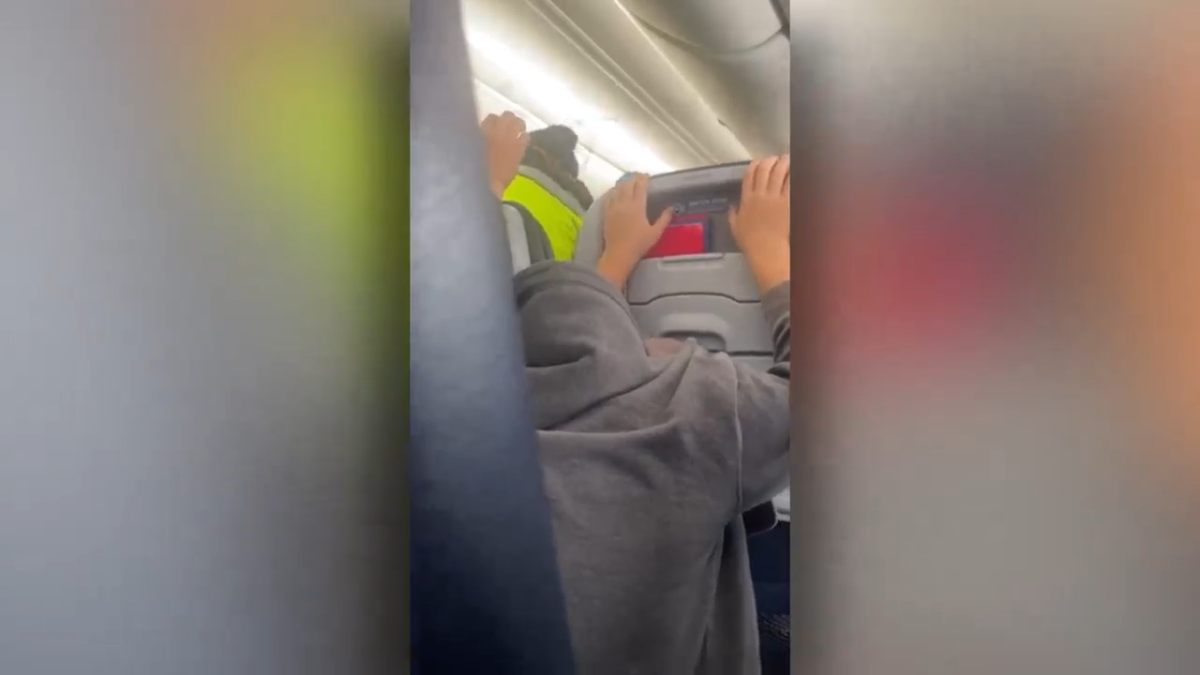
American Airlines flight AA2819 (JFK→ORD) was diverted to Detroit after a disruptive passenger; the aircraft landed at Detroit Metro at 11:08 a.m. ET and subsequently reached O'Hare about eight hours after its original scheduled arrival (landing ~7:00 p.m.). The FBI Detroit Field Office and local law enforcement responded, the customer was removed and officials reported no public threat; passengers waited in the terminal while the plane was searched. Operational disruption highlights travel-security risks during peak spring-break travel but is unlikely to have more than a short-lived, localized impact on airline operations or equity performance.
This incident is a small-cost, high-friction event that disproportionately raises operational fragility during peak travel windows. For a large network carrier, an incremental disruptive flight can cascade via crew-duty limits and aircraft rotations to produce downstream cancellations or re-accommodation costs equal to low five‑figures per flight and a measurable uptick in day‑of misconnects; during peak weeks those cascades can amplify unit revenue pressure by several tenths of a percent across a day’s network. Regulatory and legal follow‑through is the primary asymmetric risk — even absent material safety findings, investigations or elevated scrutiny can raise compliance and screening costs (labor, TSA protocols, insurer premiums) on a multi‑quarter basis.
Second‑order beneficiaries include competitors with simpler point‑to‑point networks and private aviation providers who capture short‑notice demand; hub operators with chronic congestion are the losers as they magnify passenger exposure to these events, which in turn hits customer satisfaction metrics and ancillary revenue. Insurers and liability reserves are a hidden lever: repeated high‑profile episodes compress underwriting appetite and can lift airline insurance expense by low‑hundreds of basis points relative to current guidance if frequency rises. Watch metrics tied to consumer behavior — holdback in same‑store booking curves or small but persistent drops in ancillary attach rates after a series of incidents.
Timing matters: expect a day‑to‑week immediate sentiment hit, a 1–3 month window for investigations and potential fines or policy changes, and a 3–12 month sideways cost pressure if protocols or union negotiations change. A quick exculpation and no operational changes will neutralize downside within days; conversely, formal regulatory action or class litigation introduces multi‑quarter earnings risk. The market’s current mild negative pricing suggests limited near‑term repricing, creating tactical option and pair opportunities rather than a long‑term structural short.
Contrarian read: this is more of a volatility and PR event than a balance‑sheet shock — AAL’s market cap dwarfs per‑incident costs — so a small, time‑bound hedge is preferable to outright conviction. Positioning should focus on defined‑loss vehicles and catalyst pathways rather than large directional bets.
AI-powered research, real-time alerts, and portfolio analytics for institutional investors.
Request DemoOverall Sentiment
mildly negative
Sentiment Score
-0.25
Ticker Sentiment
