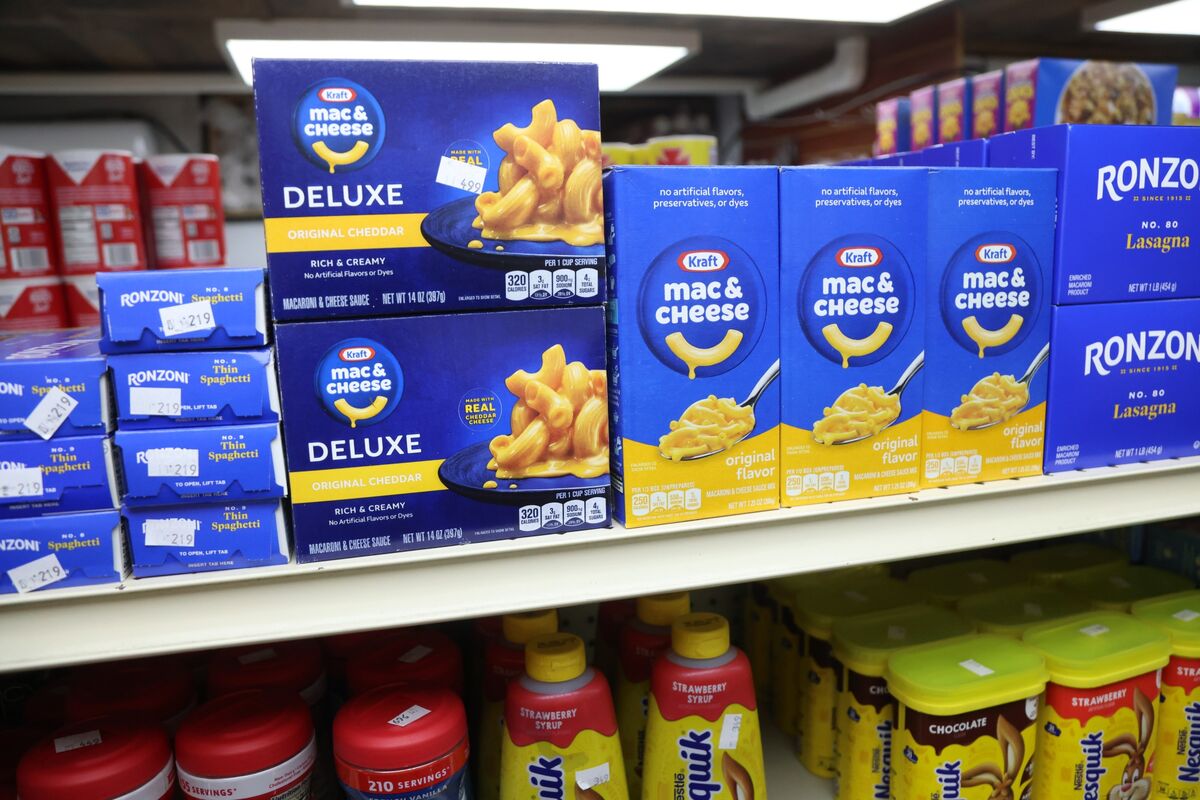
A growing trend of corporate breakups is emerging within the food sector, with numerous companies either splitting or facing pressure to do so. This strategic shift is primarily driven by shareholders increasingly rewarding focus over conglomerate sprawl, alongside evolving consumer preferences. This indicates a broader industry move towards specialization, which could impact valuations and investment strategies within the consumer goods space.
A significant strategic trend is emerging within the food sector, characterized by a wave of corporate breakups as companies either split or face pressure to do so. This restructuring is driven by two primary factors: a clear shareholder preference for focused, specialized business models over sprawling conglomerates, and the need to adapt to rapidly changing consumer tastes. The market reaction to this trend is 'moderately positive' with an 'optimistic' tone, suggesting investors view these strategic splits as value-unlocking events. The case of Kraft-Heinz (KHC) is highlighted as emblematic of this 'Breakup Fall,' indicating that even major legacy players are re-evaluating their corporate structures to enhance shareholder returns and better align with contemporary market demands.
AI-powered research, real-time alerts, and portfolio analytics for institutional investors.
Request DemoOverall Sentiment
moderately positive
Sentiment Score
0.45
Ticker Sentiment
