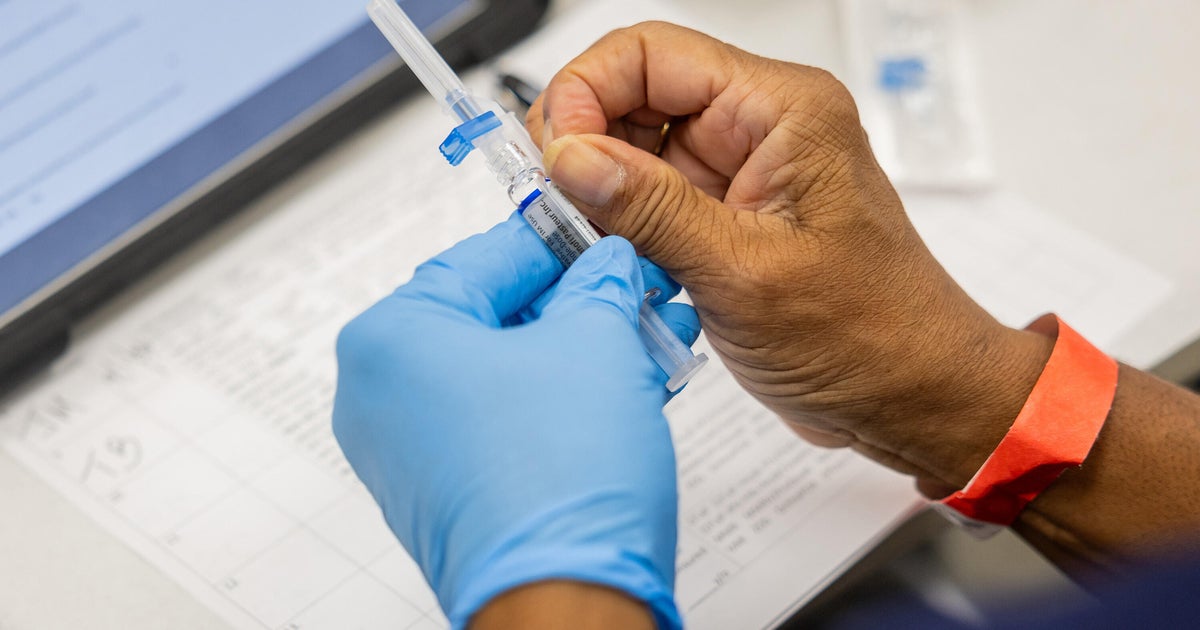
Massachusetts health officials report alarmingly low vaccination uptake this season — roughly 34% have received the flu shot and only 11% the COVID vaccine — the lowest in about five years, as state flu activity is now very high driven by a new subclade K. Officials warn of a vaccine-virus mismatch that may reduce infection prevention but still mitigate severe illness; the trend and "vaccine fatigue" elevate the risk of higher hospital utilization this winter and could influence demand for antivirals, hospital services and public-health responses into January–February.
Market structure: Low vaccination (MA flu 34%, COVID 11%) tilts near-term winners to diagnostics (rapid tests), retail pharmacies, OTC cold/flu producers and antiviral sellers while reducing upside for COVID vaccine-only biotech exposures. Diagnostic/device makers (Abbott ABT, BDX) and pharmacy retailers (CVS, WBA) gain pricing/volume leverage for tests, antivirals and OTC SKUs; pure-play vaccine developers (MRNA, NVAX) face downward revenue revisions if uptake stays <40% into Q1. On cross-assets, a material hospitalization spike would push flows into Treasuries and muni healthcare credits short-term and widen credit spreads for state healthcare obligations; commodity impact is negligible.
Risk assessment: Tail risks include emergence of a more virulent strain triggering emergency authorizations and supply bottlenecks for Paxlovid-like antivirals or test kits; operational risk includes retail staffing shortages driving margin pressure. Time horizons: immediate (days–weeks) = test-kit and pharmacy foot-traffic lift; short-term (weeks–months) = antiviral prescriptions and insurer claims; long-term (quarters) = durable behavior shift in vaccine uptake affecting FY26 guidance for vaccine makers. Hidden dependencies include school/work absenteeism reducing consumer discretionary consumption and insurer reserve adjustments; catalysts include CDC variant reports, state procurement actions, and Q1 earnings updates.
Trade implications: Prefer long diagnostics and retail-healthcare exposure with tight entry/exit rules and hedge vaccine-concentration risk. Implement directional plays (equity + options) to capture a January–March 2026 uptick in testing/antiviral demand while using insurer/biotech shorts to express downside risk from low vaccine uptake. Size trades for quarter-level events (close or reassess by 15 March 2026) and use pair trades to isolate product-demand vs. macro-health risk.
AI-powered research, real-time alerts, and portfolio analytics for institutional investors.
Request DemoOverall Sentiment
moderately negative
Sentiment Score
-0.30
Contrarian angles: Consensus may over-penalize vaccine makers for temporary uptake dips—if a new severe strain or FDA/CDC messaging shifts, vaccine orders could re-accelerate, favoring well-capitalized incumbents (PFE). Conversely, the market may underappreciate a sustained uplift to test-kit and OTC revenue; historical bad-flu seasons (2017–18) produced multimonth OTC/test surges. Unintended consequence: aggressive state purchasing or school-driven mandates could rapidly reprice vaccine/diagnostic winners within 4–8 weeks.
