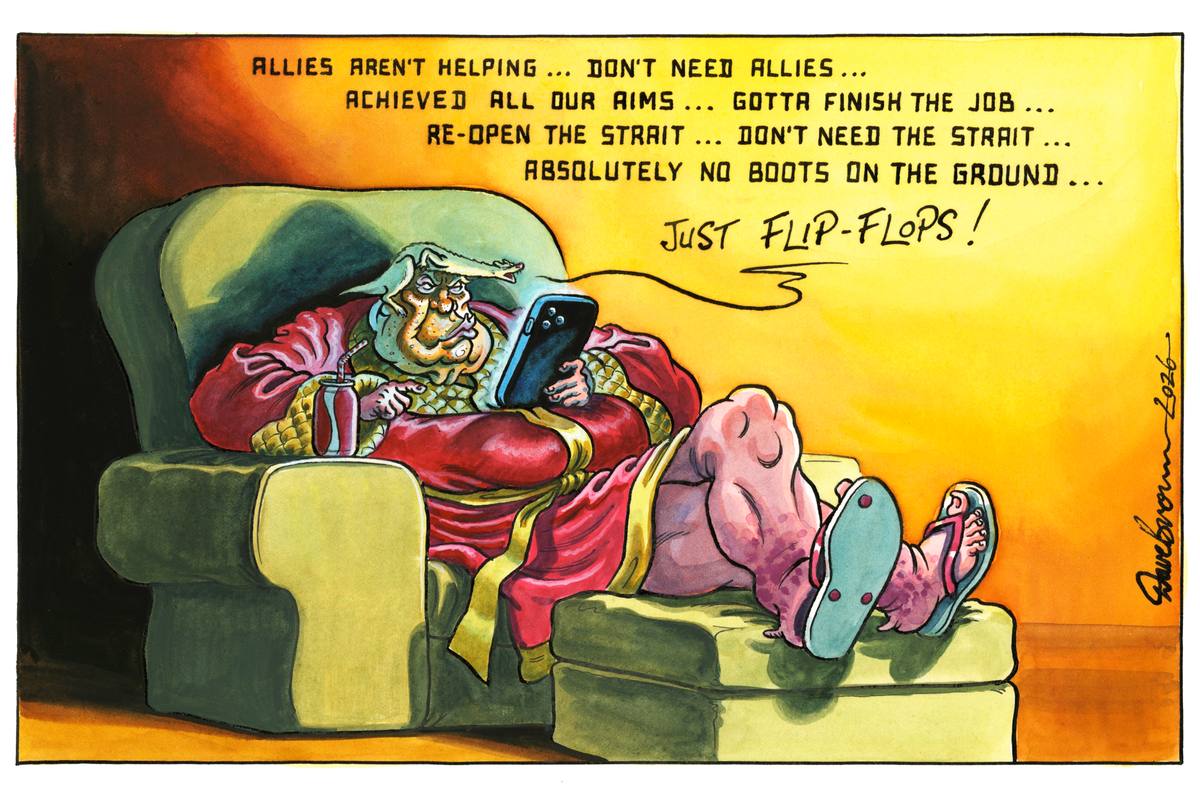
US-led military action (Operation Epic Fury) and the ensuing crisis in the Strait of Hormuz have allowed Iran to disrupt international shipping, creating acute energy, fuel and food supply risks and materially raising global recession and inflationary pressures. NATO cohesion and US alliances are damaged and diplomatic solutions are now deemed the only viable path, leaving markets in a risk-off stance amid heightened geopolitical and energy-supply uncertainty.
The immediate market mechanism is a sustained rise in maritime transport friction — longer voyages, higher bunker consumption, and war-risk surcharges — which acts like a variable tax on any commodity moved from the Gulf. That tax reallocates rents across the ecosystem: shipowners with flexible, larger hulls and time-charter exposure capture outsized short-term gains; commodity consumers and just-in-time manufacturers absorb the pain through higher input and inventory carrying costs.
Second-order winners include alternative-route ports, local bunker suppliers and private maritime security contractors; losers are short-cycle consumers (airlines, container carriers) and any supply chains dependent on Gulf-sourced intermediate goods (fertilizer inputs, petrochemical feedstocks). Over months the shock will push buyers to re-contract suppliers, accelerate short-term destocking and incentivise new logistical capex — which creates multi-year winners in port handling, midstream storage and east–west transshipment hubs.
Tail risks split cleanly by horizon: in days–weeks, episodic closures or attacks can spike freight/insurance and create liquidity squeezes for carriers; in 1–6 months, a negotiated settlement or clandestine transit fees to coastal actors could normalise flows but leave permanently higher operating costs. A rapid diplomatic resolution is the primary mean-reversion catalyst; escalation or formal control of transit by a local state is the asymmetric downside that embeds permanent risk premia into shipping, energy and insurance markets.
AI-powered research, real-time alerts, and portfolio analytics for institutional investors.
Overall Sentiment
strongly negative
Sentiment Score
-0.85
