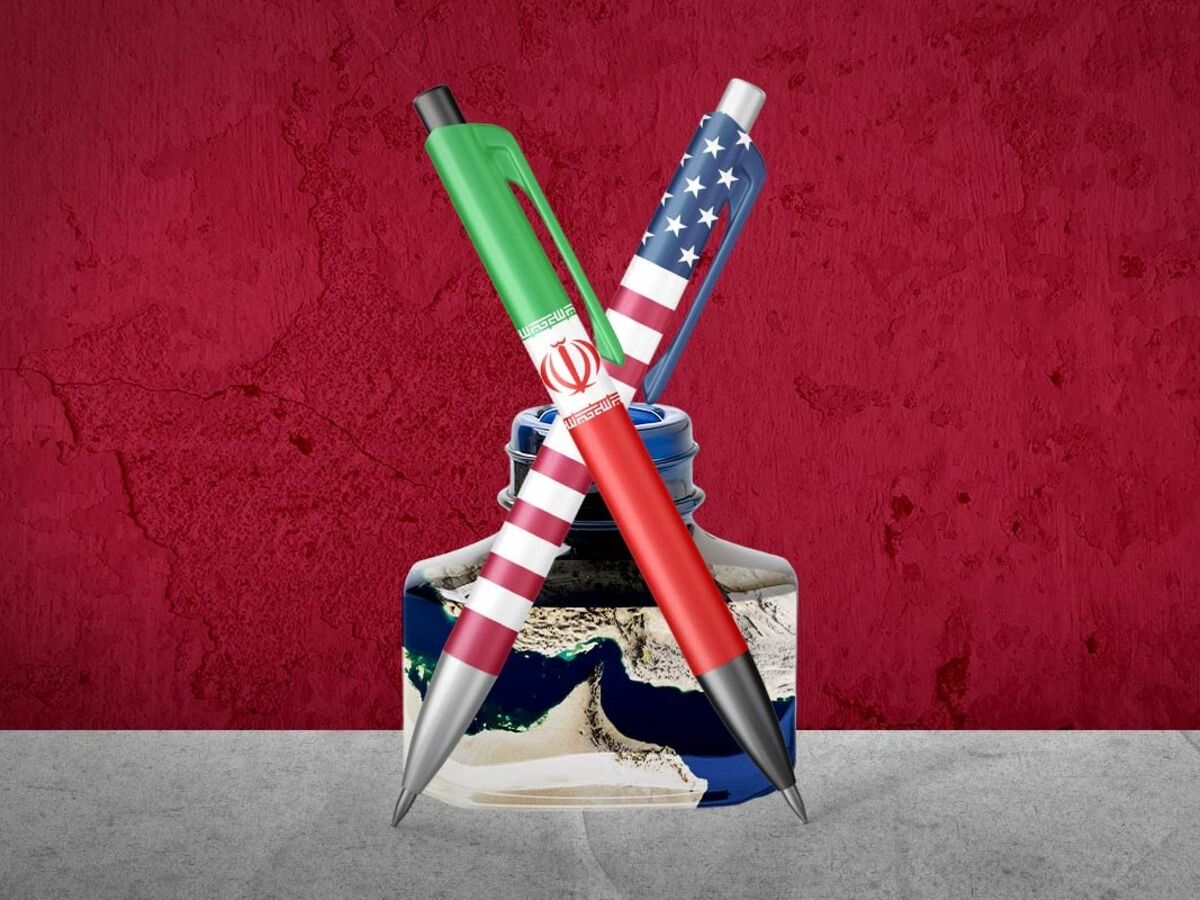
Iran rejected a U.S. proposal to end the war and set conditions including reparations for airstrike damage and recognition of sovereignty over the Strait of Hormuz, while the U.S. reportedly demands Iran dismantle main nuclear facilities and limit missiles to self‑defense. Markets reacted with stocks rising and oil falling as traders weighed the viability of ceasefire talks; the conflict is exposing rifts within BRICS, with India avoiding a firm stance. Separately, Adani is pursuing data-center partnerships with Meta and Google amid a data-center boom, and Honda is leaning on its motorcycle business after a costly EV setback.
Geopolitical friction in a key maritime chokepoint is increasing the odds of persistent shipping insurance premia and rerouting costs rather than a single short-lived spike. A sustained 15–25% lift in tanker insurance or a 5–10% effective route-length increase would mechanically raise delivered crude prices to Asia by roughly $0.5–$2.0/bbl and compress refining cracks for import-dependent refiners over a 1–6 month window; that flow-through favors upstream producers and energy equities with near-term free cash flow over refiners and commodity-importing industrials.
The digital infra push in South Asia implied by recent large-scale hyperscaler footprint expansion is a multi-year margin lever for global advertising and cloud platforms: capex rises front-load demand for chips, racks and power contracts but should reduce CDN/transport opex over 2–4 years and raise monetizable engagement in under-indexed emerging-user cohorts. This re-rates regional telecom tower owners, power EPCs and real-estate owners of data-center land more than the headline platform multiples — those are the second-order beneficiaries that often trade at 0.5–0.8x the implied uplift.
On autos, a tactical pullback from loss-making EV projects by legacy OEMs reallocates cash to higher-return ICE and two-wheeler franchises, tightening supply for parts and powertrain suppliers aligned with internal combustion for the next 12–36 months. The market is underweight the combination of rising oil-route risk (boosting cyclicals and defensive resource names) and incremental durable demand for digital infrastructure in large EM markets; position sizing should treat these as correlated but temporally separated themes (weeks–months for energy tail hedges, 12–36 months for infra and platform re-rates).
AI-powered research, real-time alerts, and portfolio analytics for institutional investors.
Request DemoOverall Sentiment
mildly negative
Sentiment Score
-0.25
Ticker Sentiment
