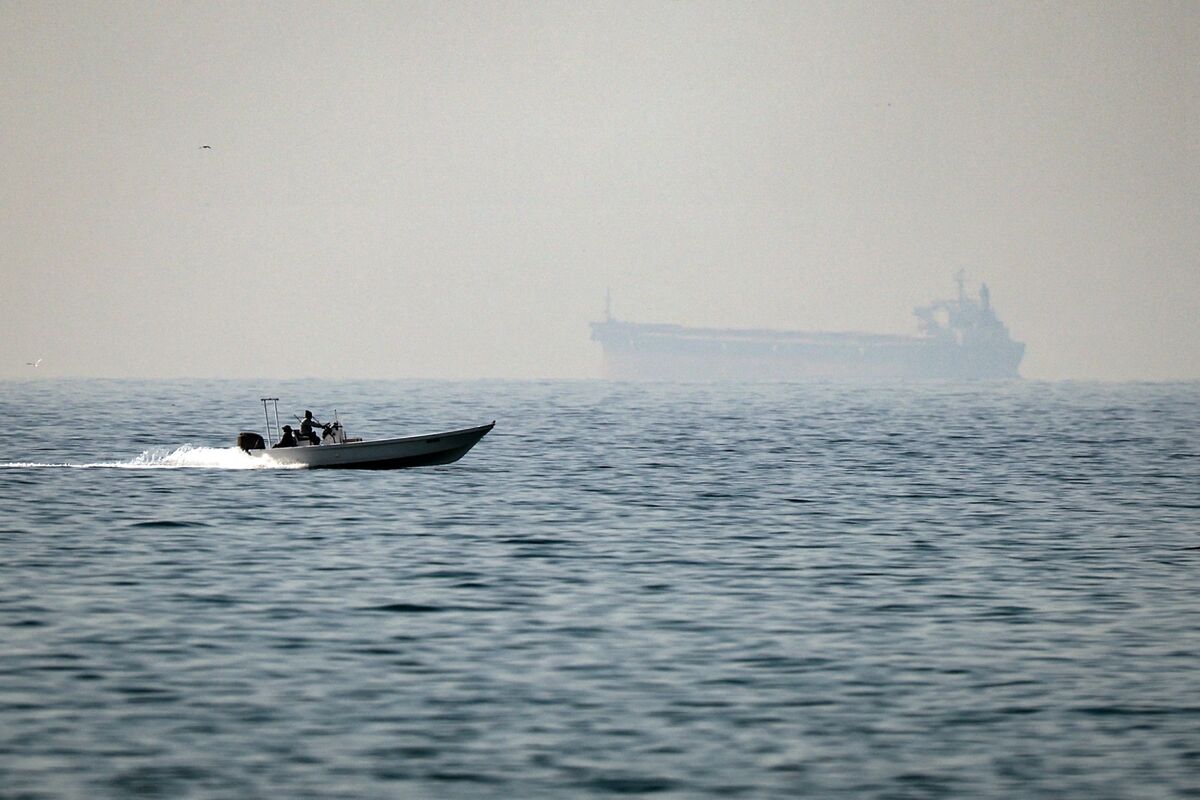
The US proposal to reopen the Strait of Hormuz with US-backed insurance and naval escorts is facing strong commercial resistance; shippers call passage an "unmanageable risk" while conflict persists. Expect sustained avoidance of the strait, elevated insurance premiums and disrupted oil and shipping flows, creating sector-level downside risk for energy and logistics until security is materially improved.
A sustained reluctance by commercial operators to transit the Strait will raise effective tonne-miles for Persian‑Gulf exports by forcing reroutes (roughly +30–60% on key flows) and add transit time per voyage on the order of days to a fortnight. That amplifies spot tanker demand and bunker consumption, creates higher utilization for VLCC/Suezmax vessels, and converts a flow shock into a logistics cost premium that accrues to ship owners rather than refiners or traders.
War‑risk premia for passage and the practical willingness of charterers to accept those routes are the gating items; premiums can move 2x–3x intra‑month, but counterparty behavior (refusal to sign for transit) is more binary and slower to change — expect months, not days, before willingness normalizes absent a clear de‑escalation. This dynamic makes freight earnings and ship valuations sensitive to military/diplomatic signals (intelligence events, escort deployments) rather than to oil fundamentals.
Winners: owners of large crude tankers and spot‑oriented fleets who capture longer tonne‑miles and one‑off repositioning demand; ports and bunkering hubs on alternate routes; defense contractors and logistics providers tied to escort services and longer‑term naval spending. Losers: container integrators and short‑haul product carriers facing congestion and schedule unreliability, marine underwriters who face coverage gaps until rate cycles reprice, and refiners/terminals exposed to regional allocation shocks.
Key catalysts that will reverse the dislocation are diplomatic de‑escalation, demonstrable degradation of asymmetric naval capabilities (a multi‑week effect), or credible private insurance backstops that include operator indemnities; conversely, an escalatory incident producing even temporary closure would force a rapid re‑rating of energy and shipping risk premia. Monitor war‑risk surcharges, VLCC spot earnings, and US diplomatic/escort announcements as high‑signal short‑horizon indicators.
AI-powered research, real-time alerts, and portfolio analytics for institutional investors.
Request DemoOverall Sentiment
mildly negative
Sentiment Score
-0.35
