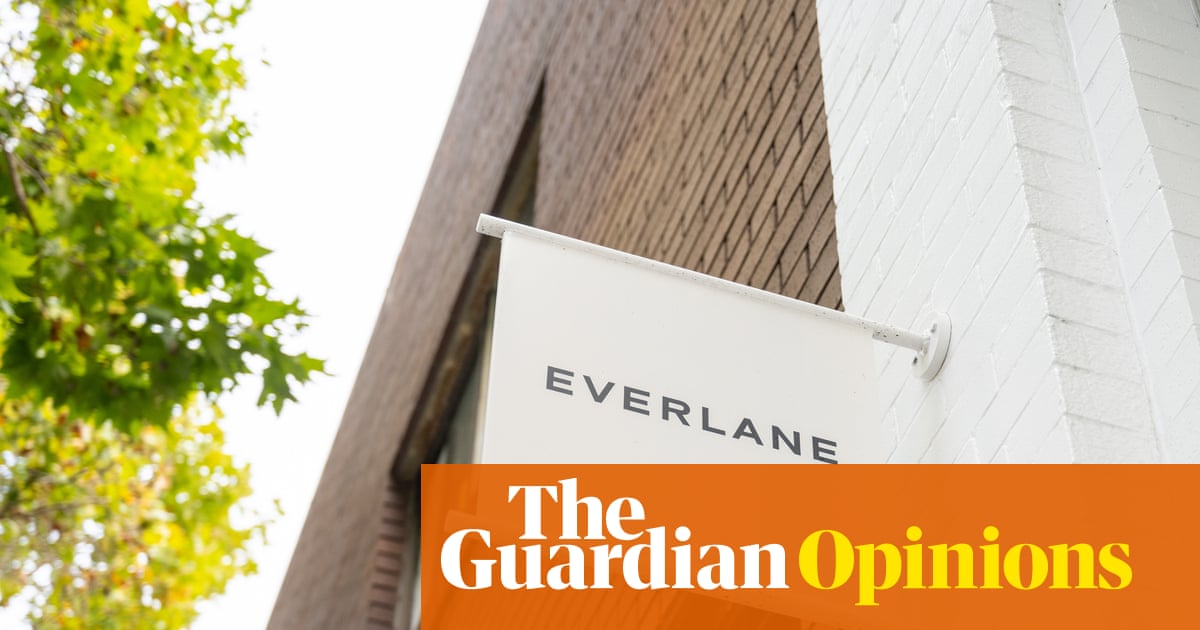
Shein is reported to be considering a $100 million acquisition of Everlane, a deal that would tie a fast-fashion giant to a sustainable basics brand amid worsening sentiment around ESG claims. The article highlights Everlane's financial strain, prior layoffs in 2020 and 2023, and the closure of its San Francisco office, while framing the proposed deal as a reputational and supply-chain story for Shein. More broadly, it argues that consumer and investor enthusiasm for sustainability is fading, pressuring brands and activist organizations alike.
The important signal here is not the reputational irony; it is that distressed “values” brands are becoming balance-sheet salvage targets for players with scale advantages and weaker disclosure burdens. If a low-transparency fast-fashion platform can buy a transparency brand, the acquired label’s ESG halo can be monetized for customer acquisition, supplier access, and regulatory cover, while the economic downside gets warehoused in a larger parent. That makes this less about apparel and more about optionality on narrative laundering: a cheap way to import credibility without changing the core operating model. For public comps, the second-order pressure falls hardest on small-cap sustainable consumer names and any company whose equity story depends on premium pricing for ethics alone. The market is already signaling that “mission” does not support valuation when gross margin expansion is weak and consumer trade-down is persistent; that dynamic can bleed into adjacent segments over the next 2-4 quarters as investors re-rate sustainability from growth multiple to stranded-strategy risk. The AI pivot at BIRD is a particularly clean symptom: capital is fleeing hard-to-prove virtue stories toward whatever narrative currently attracts flows, even when it is orthogonal to core economics. Near term, the catalyst path is binary and likely driven by diligence, financing, and employee/customer backlash rather than anything operational. If the deal closes, expect a short-lived re-rating in the acquirer’s perceived sophistication, followed by scrutiny of supply-chain claims, labor practices, and NGO pressure that could erase the halo within 3-6 months. If the deal fails, the loser is still the sustainable-brands complex, because the market will interpret the failed transaction as confirmation that mission-led consumers are too small to rescue weak fundamentals. The contrarian view is that this may actually be bullish for the category’s survivors: the collapse of faux-premium sustainability can force a reset toward verifiable circularity, repairs, and B2B compliance services, where willingness to pay is higher and less sentiment-driven. In other words, the trade is not long the broad ESG consumer wrapper; it is long the picks-and-shovels layer that helps brands survive regulation and audit pressure, even if consumers stop caring. That divergence should widen over the next 12 months as capital becomes more discriminating about what parts of sustainability are monetizable.
AI-powered research, real-time alerts, and portfolio analytics for institutional investors.
Request DemoOverall Sentiment
strongly negative
Sentiment Score
-0.55
Ticker Sentiment
