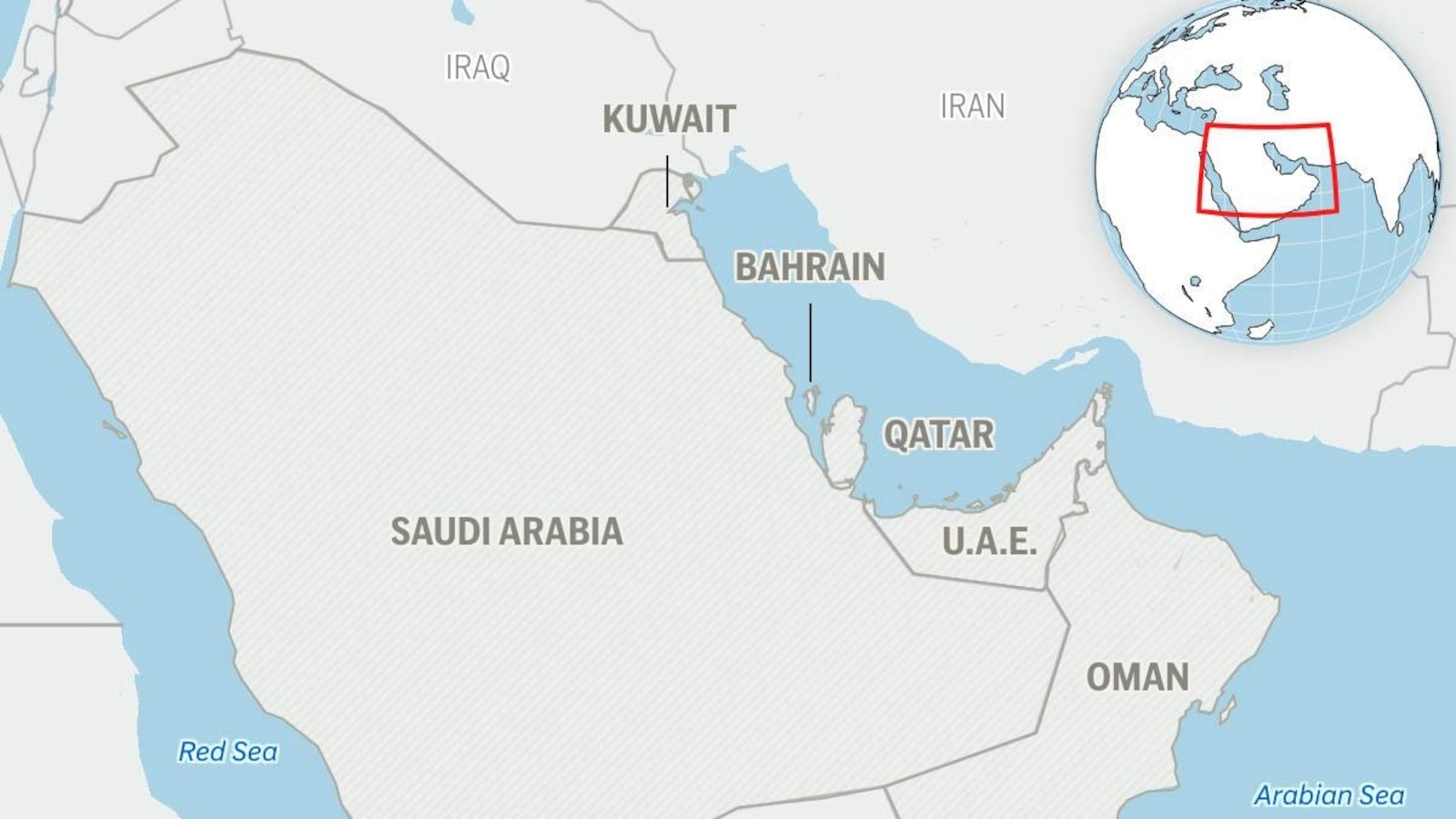
Kuwait accused Iran of sending a six-member Revolutionary Guard team to infiltrate Bubiyan Island on May 1, with four detained and one security official wounded. The report also highlighted the public acknowledgment that Israel has deployed Iron Dome batteries and personnel to the UAE, underscoring expanding regional defense ties amid renewed escalation risks. The developments raise geopolitical tension around the Strait of Hormuz, China-linked port infrastructure, and broader Gulf security.
This is less about a single failed raid than the market repricing a broader Gulf security premium. The key second-order effect is that repeated attribution of state-linked proxy activity raises the probability that infrastructure, port, insurance, and logistics assets in the northern Gulf will trade at a higher geopolitical discount even if headline conflict intensity stays contained. That matters most for assets tied to the Strait of Hormuz and adjacent nodes: any perceived fragility in throughput can widen freight, war-risk insurance, and inventory financing costs within days, while capital allocation decisions for Gulf logistics projects can slow over months.
The UAE is the clearest relative winner because overt defense integration with Israel improves deterrence optics and should reduce tail-risk perception for investors comparing Gulf jurisdictions. Bahrain looks structurally weaker: heightened internal security pressure suggests persistent sovereign-risk divergence inside the GCC, with a higher chance of episodic sanctions, legal actions, and domestic instability feeding into bank funding costs and consumer confidence. China-linked infrastructure near contested maritime corridors also becomes a political liability; contractors and lenders may demand higher hurdle rates or stronger sovereign backstops if regional actors keep signaling they can reach those projects.
From a market standpoint, the most important catalyst is not escalation per se but whether Tehran chooses asymmetric harassment below the threshold that would trigger direct retaliation. That is a slow-burn risk over weeks to months: enough to keep energy volatility bid, but not necessarily enough to produce a clean directional oil rally unless shipping incidents materially impair flows. The contrarian view is that the signaling could be purposeful de-escalation theater by Gulf states and Israel—publicly advertising defensive cooperation to deter Iran—so the right response is to pay for convexity, not chase spot exposure.
If the conflict narrative cools after the next 1-2 weeks, these geopolitical premia can compress quickly; but if Hormuz risk rises, the move will likely be fastest in shipping, insurance, and regional EM FX before crude itself fully reprices.
AI-powered research, real-time alerts, and portfolio analytics for institutional investors.
Request DemoOverall Sentiment
strongly negative
Sentiment Score
-0.65
Ticker Sentiment
