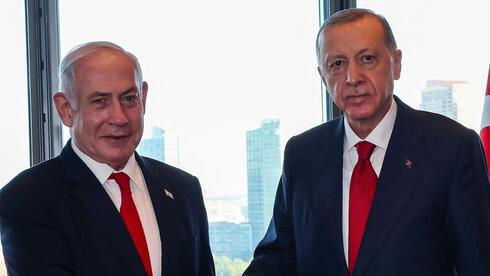
Israel is weighing whether to close its Istanbul consulate, a move that would leave only the embassy in Ankara and further strain already deteriorating ties with Turkey. The mission has been unmanned since the October 7 Hamas attack, and the decision could affect roughly 15,000 Jews in Istanbul while reducing Israel’s diplomatic leverage. The Foreign Ministry said no decision has been made.
The market implication is not direct commodity shock but a slow-burn escalation of sovereign risk premia across Turkey-linked assets. A reduced Israeli footprint in Istanbul would signal that the bilateral relationship is moving from episodic friction to durable institutional decay, which tends to widen the discount investors apply to any asset requiring cross-border policy cooperation: airlines, tourism, ports, logistics, and local real estate near the diplomatic/security nexus. The first-order economic damage is modest, but the second-order effect is that private actors start pricing in more arbitrary operating conditions and higher security overhead. The more interesting read-through is for Turkey itself: if Ankara absorbs another visible diplomatic downgrade without a symmetric response, it reinforces a pattern of external isolation that can constrain capital inflows at the margin. That matters because Turkey’s balance-of-payments model is already highly sensitive to confidence; even small shifts in traveler behavior, insurance costs, or corporate risk committees can have outsized effects over a 1-3 quarter horizon. The Jewish-community angle also raises reputational risk, increasing the probability that any move is framed internationally as politically symbolic rather than administrative, which tends to extend headline duration. Base case, this is a low-impact event unless it catalyzes additional steps around trade, aviation permissions, or sanctions rhetoric. The tail risk is a tit-for-tat cycle that spills into business travel and tourism flows during peak booking windows, which would hit Turkish consumer-facing sectors before showing up in macro data. Contrarian take: the move may ultimately be more about domestic signaling than policy substance, so the selloff risk is likely best expressed via short-dated event risk rather than a structural macro short unless we see concrete reciprocal measures from Ankara. From a positioning standpoint, the best opportunity is to buy protection on Turkey-linked exposure into any headline spike rather than chase outright shorts immediately. The path dependency is high: absent escalation, the issue fades quickly; with escalation, the downside appears in sectors that price continuity, not geopolitics.
AI-powered research, real-time alerts, and portfolio analytics for institutional investors.
Request DemoOverall Sentiment
mildly negative
Sentiment Score
-0.25
