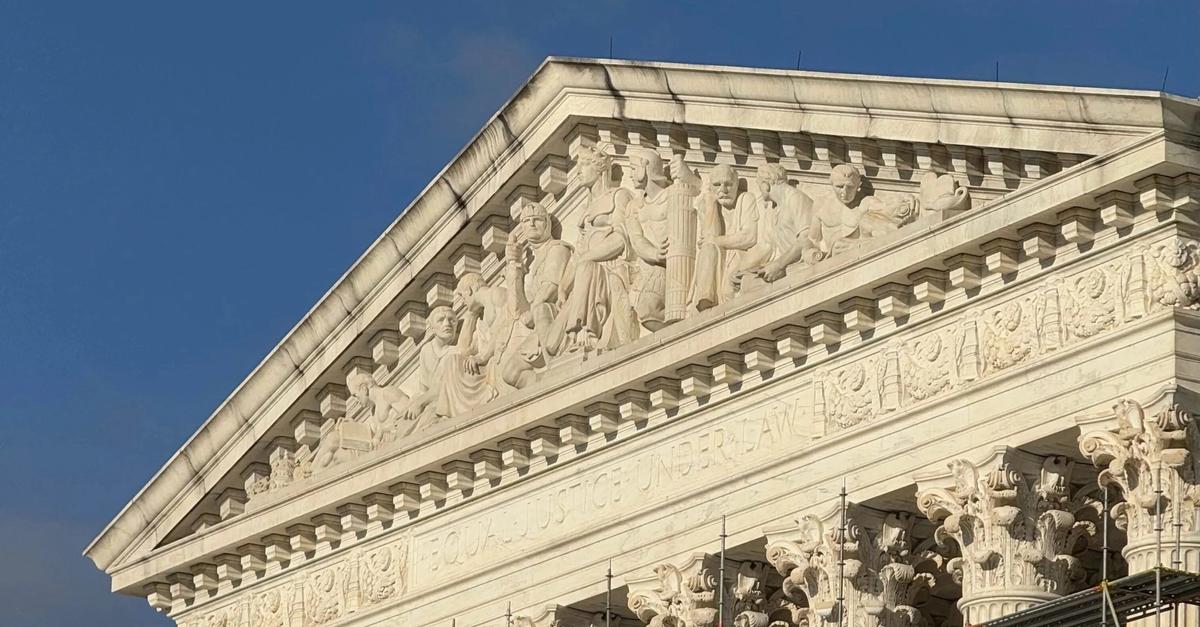
The article centers on legal and policy developments tied to Trump's tariffs and Supreme Court actions, including more than $35.5 billion in tariff refunds being processed for importers, with up to $166 billion potentially refundable. It also notes a temporary pause on the 5th Circuit's mifepristone ruling, the Federal Circuit's administrative stay on the global 10% tariff decision, and Alabama's call for a second primary election after the Supreme Court's voting-rights ruling. Overall tone is factual and litigation-driven, with meaningful implications for tariffs, elections, and regulatory enforcement.
The market implication is less about the headline tariff refund itself than the next-order distributional shock: refunds pull cash forward to importers, but the bigger effect is a repricing of who ultimately bears tariff costs if judicial reversals keep oscillating. That tends to favor large, diversified importers with balance-sheet capacity and downside protection, while punishing smaller tariff-sensitive businesses that cannot absorb timing mismatches in working capital. The uncertainty window is the tradeable part: courts can pause implementation in days, but capital allocation effects for retailers, industrials, and consumer goods names will linger for quarters.
There is also a quiet competitive dynamic. Firms with stronger customs operations, tax departments, and access to counsel should recover cash faster and more completely, which effectively creates a compliance moat; late filers or operationally weaker importers may leave money on the table. If the legal pendulum swings again, the immediate beneficiaries of any stay are firms with high import intensity and low pricing power, but the beneficiaries of finality are domestic producers that can reassert pricing discipline once foreign-sourced goods lose tariff volatility as a competitive lever.
The contrarian read is that the consensus may be overestimating the permanence of both the refunds and the tariff unwind. A Supreme Court pause or partial reversal would keep the issue alive long enough that many importers will hesitate to redeploy the cash, limiting any near-term boost to inventories or capex. Conversely, if refunds are made whole and the tariff regime is effectively dead, the macro risk shifts from inflation to margin compression in domestic substitutes and logistics, but that would likely unfold over 1-2 quarters rather than immediately.
On the healthcare side, the temporary mifepristone pause is a reminder that regulatory optionality remains a live revenue variable for pharma distribution channels, clinics, and telehealth intermediaries. The key second-order effect is operational: even brief in-person dispensing requirements can fragment access and raise fulfillment friction, which tends to benefit incumbents with dense brick-and-mortar footprints and hurt platform-based providers. That makes the next judicial action a catalyst for volatility in any name with exposure to reproductive-health workflows, especially over the next 1-2 weeks.
AI-powered research, real-time alerts, and portfolio analytics for institutional investors.
Request DemoOverall Sentiment
neutral
Sentiment Score
-0.05
