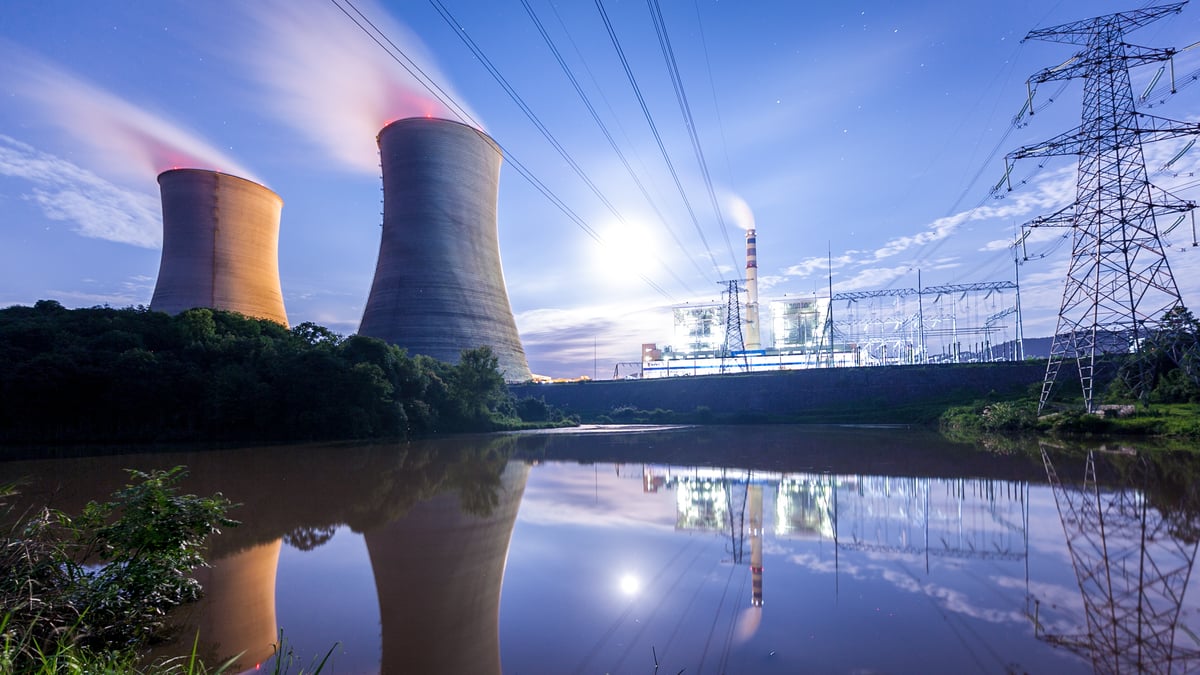
Cameco signed a $2.6B long-term uranium supply deal with India’s Department of Atomic Energy; concurrently oil hit about $119/ barrel and the Strait of Hormuz (carrying ~20% of global LNG and oil) is effectively closed. Cameco’s uranium mines (Canada, Kazakhstan), Blind River refinery (world’s largest commercial uranium refinery) and 49% stake in Westinghouse position it to benefit if Asian and other countries accelerate nuclear investment. Expect a medium-term rerating potential for CCJ rather than an immediate large share-price move, contingent on the duration of geopolitical disruptions and policy shifts toward nuclear energy.
The most durable market implication is not a near-term rerating from oil moves but an acceleration of strategic contracting behaviors by utilities and sovereign buyers that prefer secure, non-Russian/ non-Middle-East origin supply. That shift raises the value of vertically integrated uranium suppliers with term contracting optionality and physical inventory — a multi-year impact because conversion, enrichment and fuel fabrication are rate-limiting steps that typically take 2–6 years to scale. Expect the spot–term spread to widen as buyers lock multi-year supply, creating a profitable backdrop for producers who can offer origin certification and delivery certainty.
Second-order winners include reactor OEMs and aftermarket services (higher aftermarket revenue per reactor over time) and insurers/shipping brokers who reprice risk for Persian Gulf-dependent energy routes; losers are short-cycle LNG incumbents and suppliers reliant on contested shipping lanes who face both price volatility and customer flight to baseload alternatives. Key operational chokepoints — expansion timelines for mines, conversion plants and fabrication lines — turn policy momentum into a supply-side constraint, meaning realized upside to producers will be lumpy and backend-loaded.
Tail risks that could unwind the thesis quickly are a rapid diplomatic settlement reopening Hormuz (days–weeks) or a demand shock from a recession that undercuts energy investment budgets (quarters). Conversely, meaningful electoral or policy commitments to nuclear buildout in large importers would crystallize a rerating within 6–24 months. The market is under-pricing the premium for assured origin and delivery timing; that asymmetry favors selective long exposure with time to let supply-side bottlenecks play out.
AI-powered research, real-time alerts, and portfolio analytics for institutional investors.
Request DemoOverall Sentiment
moderately positive
Sentiment Score
0.35
Ticker Sentiment
