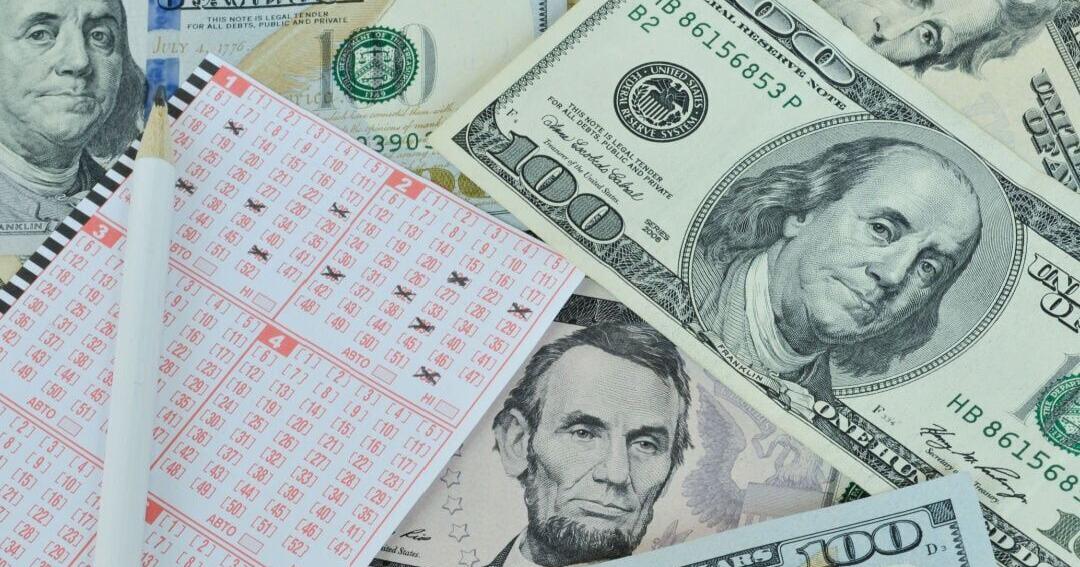
The $143.4 million Powerball jackpot was won in Indiana and Kansas, with one winning ticket sold at a Region supermarket. The article also notes two additional winning tickets in the Region, including a $1 million winner in Michigan City and a $2 million winner in Portage. The story is largely a local-interest lottery update with minimal market relevance.
This is not really a lottery microevent; it is a local liquidity shock with weak but measurable effects on discretionary retail in the prize geography. A mid-eight-figure payout is large enough to create a short-lived halo for nearby convenience, supermarket, auto, and luxury spend, but the spend curve is usually front-loaded and leaks quickly into debt paydown and brokerage accounts rather than durable consumption. The second-order winner is the state ticketing and gaming ecosystem: big local jackpots drive incremental ticket velocity for weeks, which matters more for long-run margin than the one-off payout. For public markets, the article matters mainly as a sentiment read on consumer willingness to spend on low-odds entertainment while real disposable income remains pressured. That is mildly supportive for lottery-adjacent distributors and convenience-store traffic, but it is not a broad consumer-demand tailwind. If anything, the presence of a headline-grabbing windfall can mask a softer underlying picture: households may keep buying tickets while cutting back on higher-ticket discretionary categories. The contrarian angle is that headline jackpot winners often get interpreted as a broad positive for consumer confidence, but the transmission is narrow and temporary. The more investable implication is regional traffic and basket-mix uplift for the retailer that sold the ticket, not a sustained lift in consumption trends. The risk to that view is a follow-on media cycle if the winner is local and reinvests visibly in the community, which could create a brief halo for adjacent retail names, but that tends to fade within days to a few weeks.
AI-powered research, real-time alerts, and portfolio analytics for institutional investors.
Request DemoOverall Sentiment
mildly positive
Sentiment Score
0.20
Ticker Sentiment
