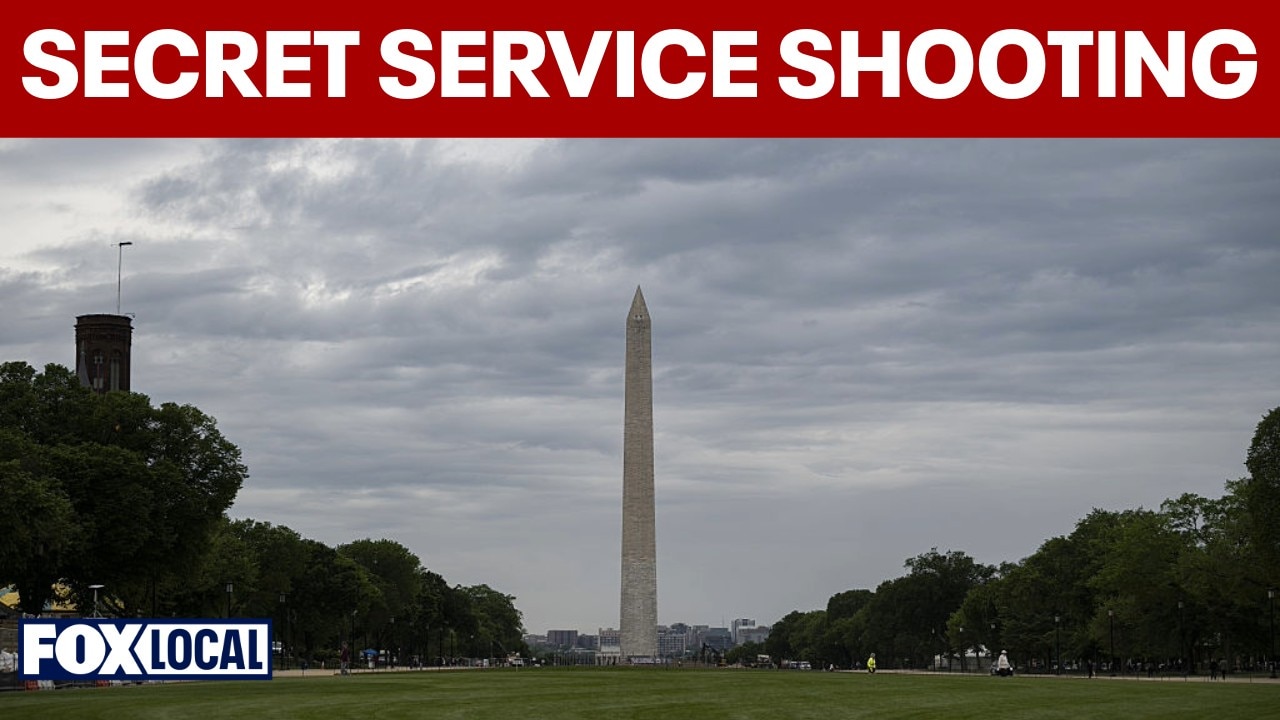
A child was struck by gunfire and is recovering after an officer-involved shooting near the Washington Monument area, with the suspect also hospitalized. The White House was briefly locked down while authorities assessed the situation, underscoring a localized but serious security incident in the nation’s capital. The investigation remains ongoing and officials have not identified the suspect.
The immediate market relevance is not to any single security but to the policy-risk premium embedded across Washington-sensitive assets. Events that visibly stress perimeter security around the White House typically raise the odds of a short-lived but measurable increase in federal protective spending, contractor scrutiny, and political pressure for a tougher domestic security posture. That tends to favor large-cap defense and security integrators on the margin, but the bigger second-order effect is a wider risk premium for event risk around government facilities, protests, and election-related gatherings over the next several weeks. The more important tradeable implication is reputational and operational: this raises the probability of accelerated reviews across federal protection protocols, including technology refresh cycles for surveillance, screening, and command-and-control systems. That is a medium-term tailwind for firms exposed to federal homeland security budgets, especially those with recurring software and sensor revenue rather than pure hardware. The near-term catalyst set is asymmetric: any follow-on revelation of intelligence failure, communication breakdown, or procedural lapse would extend the policy response for months, while a clean preliminary report would likely cap the move quickly. From a cross-asset lens, the incident is mildly risk-off because it reinforces political instability and headline volatility ahead of election season, but it is not a macro shock. The contrarian view is that the market may overestimate the durability of the reaction: domestic security scares usually generate a 1-3 day sympathy bid in defense names and then fade unless tied to a broader threat campaign or legislative funding action. The best setup is to express the theme through selective security-infrastructure exposure rather than broad defense beta, since the latter is already crowded and less likely to re-rate absent a budget event.
AI-powered research, real-time alerts, and portfolio analytics for institutional investors.
Request DemoOverall Sentiment
strongly negative
Sentiment Score
-0.50
