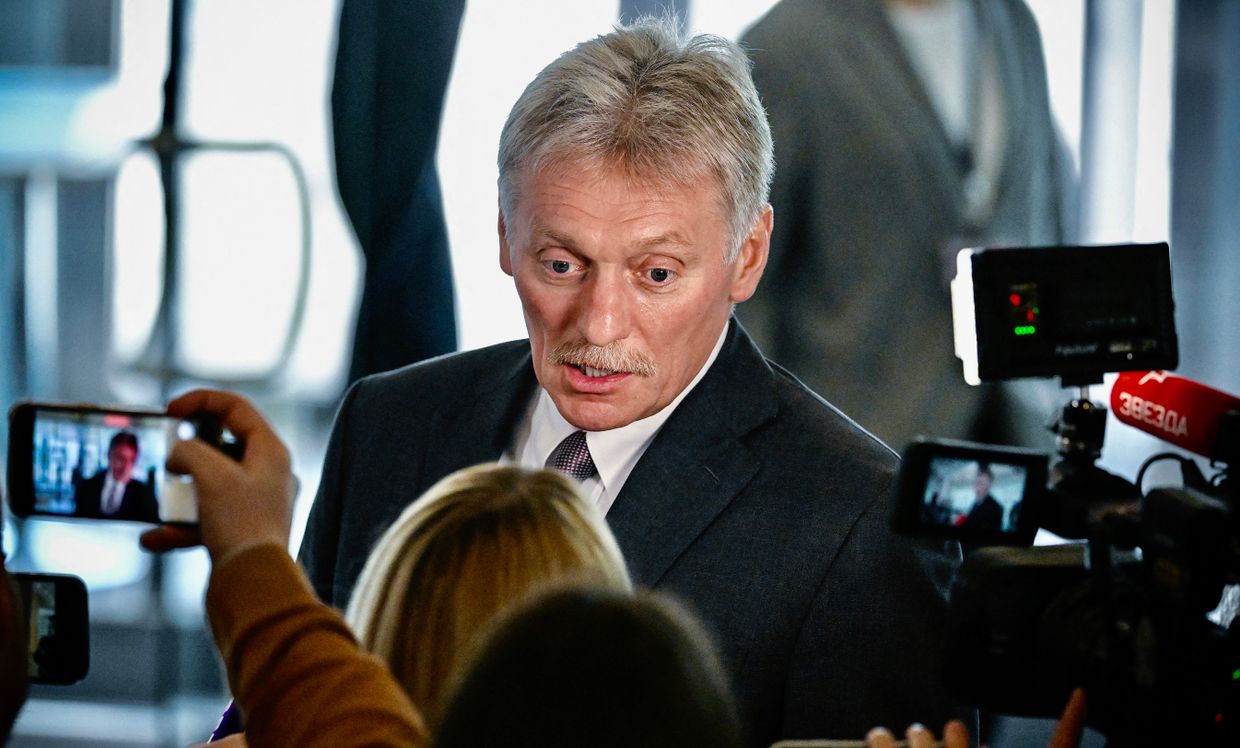
Reported request for oligarch contributions was said to include 100 billion rubles (~$1.2B), but the Kremlin (spokesperson Dmitry Peskov) denied that Putin asked oligarchs to fund the war, calling any businessman pledge a 'personal decision'. The Financial Times and Bell reported the appeal amid a growing Russian budget deficit and rising military spending tied to the Ukraine war. Publicly, Putin also urged oligarchs not to squander windfall oil profits from the Iran conflict, warning prices could reverse.
The Kremlin’s recent approach to extracting private sector resources should be read as a fiscal tightening lever rather than a one-off PR ask; when governments reframe elite wealth as a quasi-fiscal buffer, the immediate mechanism is a redistribution of corporate cashflows into state balance sheets, compressing dividends, capex and M&A liquidity for the largest domestic groups. That reallocation tends to produce a near-term liquidity squeeze in private corporations and banks, while creating a short-lived fiscal win for the state that can mask deeper structural budget stress.
Market-level winners are non-Russian producers and downstream refiners who face less political tail-risk and can capture market share if Russian corporates cut investment or disposals slow exports; losers include domestically exposed large-cap Russian issuers, locally domiciled banks (funding squeeze) and any offshore securities with thin ADR liquidity. Second-order effects include accelerated asset sales into friendly jurisdictions, an uptick in pre-emptive capital flight (pressure on correspondent banking and FX liquidity), and likely deferral of long-cycle investment (drilling, maintenance) that will depress medium-term production growth.
Tail risks are asymmetric: a formalized windfall or special levy would materially reprice Russian credit and equity risk within weeks, while symbolic or one-off donations would largely be a headline event with limited market impact. Key catalysts to watch in descending order of likelihood over 0-12 months are new tax/levy legislation, large onshore-to-state transfers reported in corporate filings, sudden spikes in sovereign CDS, and shifts in capital controls or FX reserve usage that alter ruble liquidity.
Contrarian read: markets may be over-indexed to the binary narrative of either “state expropriation” or “no action.” More probable is a hybrid: targeted, capped levies plus reputational concessions that allow oligarchs to preserve asset control; that outcome leaves selective credits vulnerable but creates buying opportunities in globally traded energy names if Russian production is deferred rather than destroyed.
AI-powered research, real-time alerts, and portfolio analytics for institutional investors.
Request DemoOverall Sentiment
neutral
Sentiment Score
0.00
