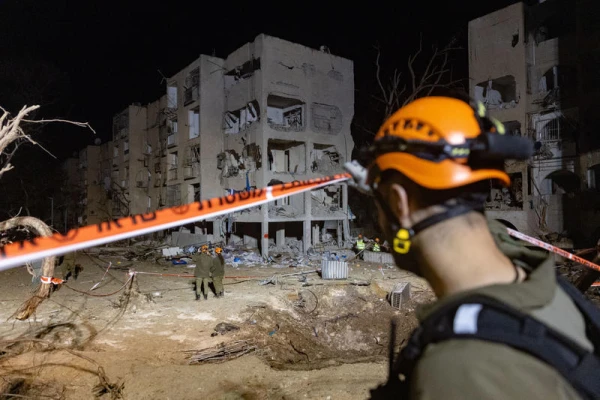
92% interception rate reported after Iran launched over 400 ballistic missiles, but direct hits in Arad and Dimona and subsequent cluster-munition impacts demonstrate gaps in protection. The IDF has increasingly used David’s Sling (approx. NIS 1m / $320k per interceptor) instead of exoatmospheric Arrow 3 (slightly > NIS 2m / $650k), with lower-altitude interceptions creating more debris and some recent failed intercepts. Decisioning is largely automated by the air-defense system under IAF policy (stockpiles, active batteries, operational factors); expect focused scrutiny and potential volatility for missile-defense contractors and suppliers.
The tactical pattern — automated engagement decisions that privilege availability and throughput over single-shot optimality — creates a predictable procurement signal: demand for mid-tier interceptors, seekers, and booster motors will spike for months even if strategic guidance still prizes high-altitude exoatmospheric systems. That dynamic pressures supply chains with long lead times (manufacturing capacity, specialized composites and IR seekers) and pushes primes to reallocate production capacity away from other programs, creating near-term revenue tailwinds but multi-quarter delivery lags.
A salient second-order effect is fiscal: increased domestic damage from lower-altitude intercepts transfers costs to municipalities and insurers, creating political pressure to change engagement rules and accelerate purchases of higher-altitude interceptors or add redundancy. Expect procurement decisions to be front-loaded as governments prefer prepayments and fast-tracked contracts; meaningful capacity expansion for complex interceptors remains a 12–36 month story, while simpler interceptor volumes can ramp in 3–9 months.
For markets, this bifurcates winners: large primes that can retool and guarantee delivery windows (electro-optics, guidance, propulsion suppliers) earn multi-quarter margins and order flows, while smaller specialized subsystem vendors see optionality if primes subcontract. Tail risks include rapid escalation that exhausts inventories (upside for prices/orders) or de-escalation/ceasefire that leaves manufacturers sitting on elevated inventory and cancelled orders (downside). Monitor contract award cadence and component lead-time announcements as primary catalysts.
AI-powered research, real-time alerts, and portfolio analytics for institutional investors.
Request DemoOverall Sentiment
mildly negative
Sentiment Score
-0.15
