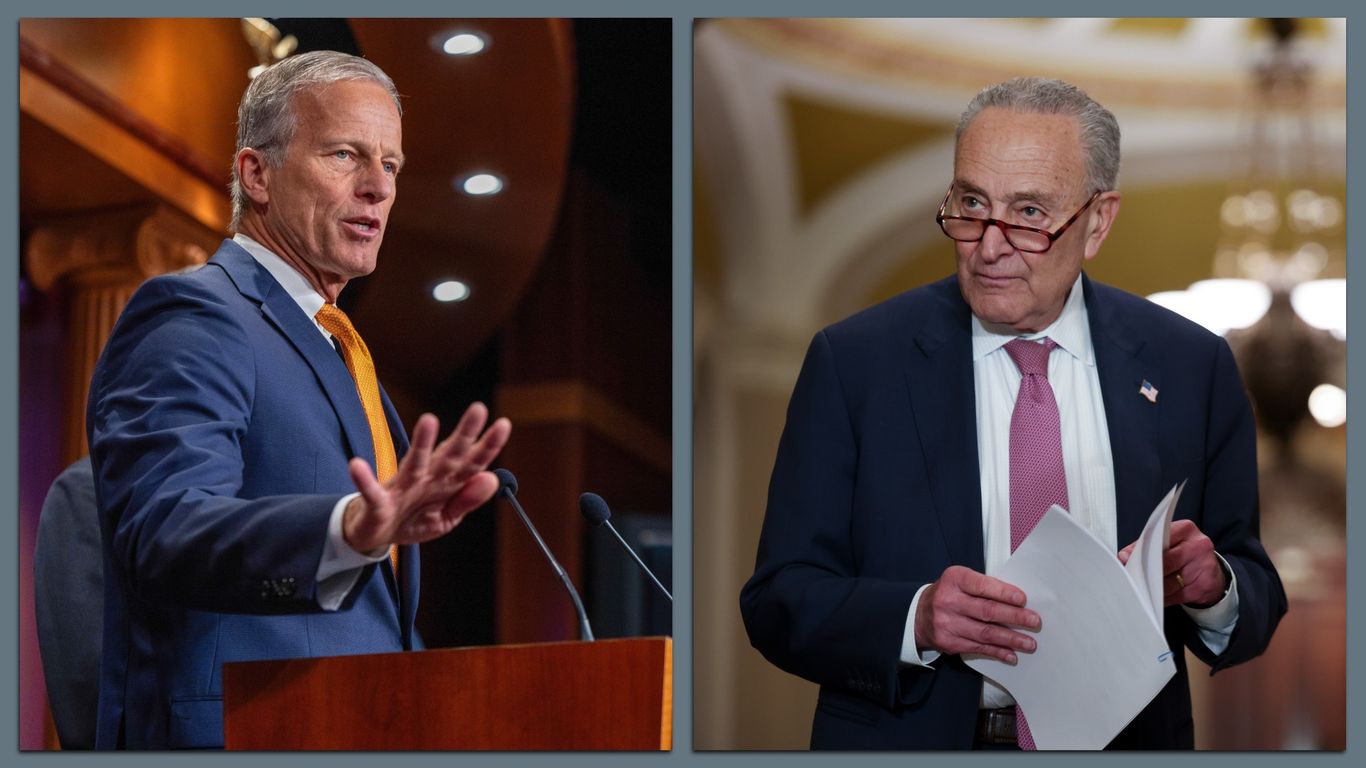
The U.S. federal government has initiated its first shutdown since 2019 after the Senate failed to pass a funding extension by Tuesday's midnight deadline, with a 55-45 vote falling short of the 60 required. The impasse is driven by Democrats' demands for concessions, notably an extension of Affordable Care Act tax credits, which Republicans have rejected, indicating a lack of compromise and an unclear path to reopening the government.
The U.S. federal government has entered its first shutdown since 2019 after the Senate failed to pass a funding measure, with a 55-45 vote falling short of the 60 required. The shutdown is a direct result of a significant political impasse, with no clear path to resolution as party leaders are reportedly not close to a compromise. The core of the dispute centers on Democratic demands for policy concessions, chiefly an extension of Affordable Care Act (ACA) tax credits, which Republican leadership has publicly refused. This specific demand places the healthcare sector at the center of the fiscal conflict. The political environment is further complicated by internal pressures within the Democratic party, where grassroots opposition has reportedly caused leaders to back away from a potential short-term funding measure, indicating that only 'concrete concessions' will be sufficient to end the standoff. The 'strongly negative' sentiment and 'moderately high' market impact scores reflect the market's perception of this gridlock as a source of significant economic and legislative uncertainty.
AI-powered research, real-time alerts, and portfolio analytics for institutional investors.
Request DemoOverall Sentiment
strongly negative
Sentiment Score
-0.70
