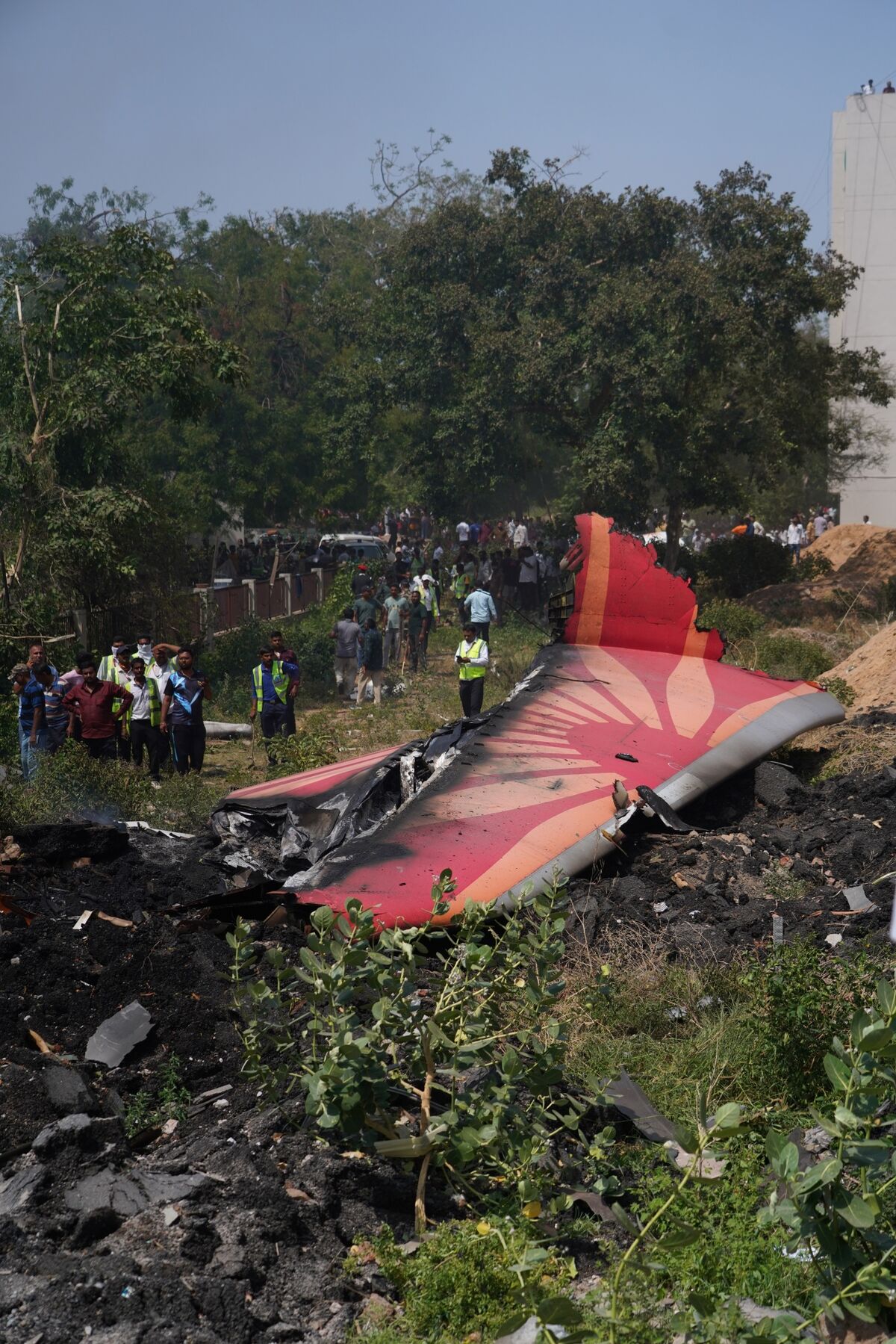
Investigators probing the deadly Air India 787 crash, which killed 241, are increasingly focusing on potential dual engine failure as the primary cause. Flight simulator reenactments by airline pilots demonstrated that the aircraft's reported settings—deployed landing gear and retracted wing flaps—were not sufficient to cause the crash independently, thus directing the investigation towards a critical technical malfunction. This ongoing inquiry into the Boeing 787's performance could have significant implications for aircraft safety and engine reliability standards.
The investigation into the fatal crash of an Air India Boeing 787 is increasingly focused on a potential dual engine failure, a scenario that points toward a critical technical flaw rather than operational error. Simulator reenactments of the flight parameters, specifically with deployed landing gear and retracted flaps, have reportedly shown these conditions alone were insufficient to cause the crash. This outcome shifts significant scrutiny onto the aircraft's manufacturer, Boeing Co. (BA), and the reliability of its 787 model. A confirmed systemic issue leading to dual engine failure would represent a major safety crisis for one of Boeing's key platforms, with potential ramifications for the entire 787 fleet worldwide. The strongly negative sentiment score of -0.8 and high market impact score of 0.75 reflect the gravity of the situation and the perceived risk to Boeing's reputation and financial stability.
AI-powered research, real-time alerts, and portfolio analytics for institutional investors.
Request DemoOverall Sentiment
strongly negative
Sentiment Score
-0.80
Ticker Sentiment
