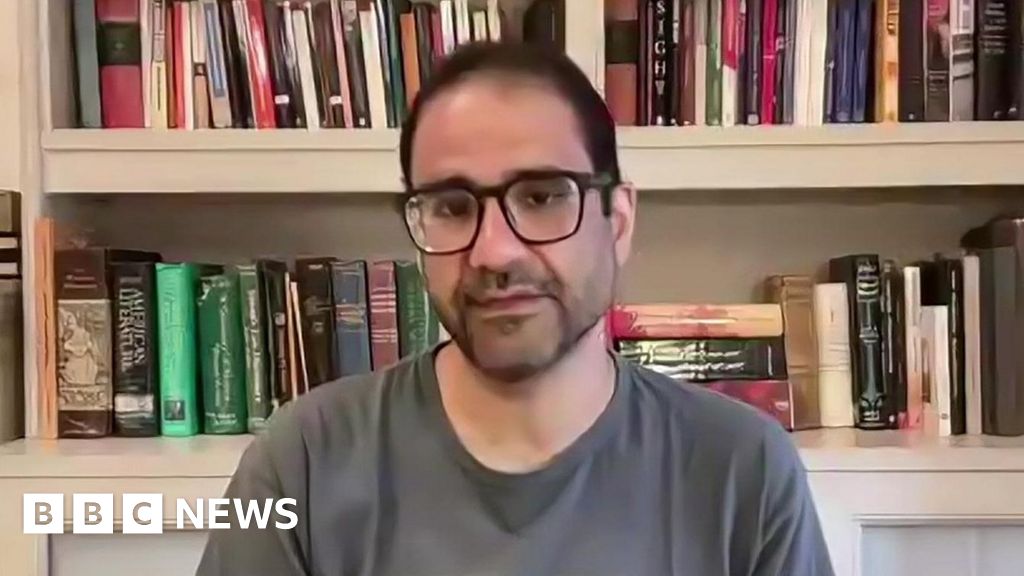
Prime Minister Keir Starmer publicly welcomed the return to the UK of Egyptian-British activist Alaa Abdel Fattah, who was pardoned and released after a 2021 conviction for "spreading fake news" and a five-year sentence; Abdel Fattah has reunited with his 14-year-old son in Brighton. The welcome prompted political backlash after historical social-media posts surfaced in which Abdel Fattah appeared to endorse violence against "Zionists" and police, with the shadow justice secretary and community groups criticizing the government’s apparent endorsement while ministers and celebrities had lobbied for his release.
Market structure: This is primarily a UK political/reputational event with limited direct corporate impact; expect a modest, short-lived risk premium on UK assets—GBP moves of ~0.5–1.5% and FTSE 100/250 intraday swings of 1–3% are plausible on fresh headlines. Direct winners are crisis-PR, litigation and compliance service providers (more mandates), while large-cap exporters (Unilever, Shell) are insulated and domestically focused SMEs/midcaps are most vulnerable to consumer backlash or localised protests.
Risk assessment: Tail risks include escalation into sustained street protests or targeted boycotts that depress UK domestic consumption (FTSE 250 down 5–10% scenario) or trigger government policy responses on online speech/regulation. Immediate window (days) is headline-driven; weeks–months view depends on poll swings and official inquiries; quarters+ effects hinge on any legislative moves to regulate social media or hate speech enforcement that raise compliance costs.
Trade implications: Tactical hedges are warranted rather than directional UK shorts. Buy protection on broad UK exposure (3-month put spreads on EWU or FTSE ETFs) and hedge FX by buying short-dated GBP volatility (1-month GBPUSD straddle). Avoid overreacting into long-term reallocations unless political indicators cross thresholds below.
Contrarian angle: Markets typically overprice headline risk then mean-revert—historic UK political controversies produced ~1–3% temporary dislocations that reversed in 2–8 weeks. If no substantive policy change within 30 days, unwind hedges; persistent positioning costs are the real drag, not this specific news item.
AI-powered research, real-time alerts, and portfolio analytics for institutional investors.
Request DemoOverall Sentiment
neutral
Sentiment Score
0.00
