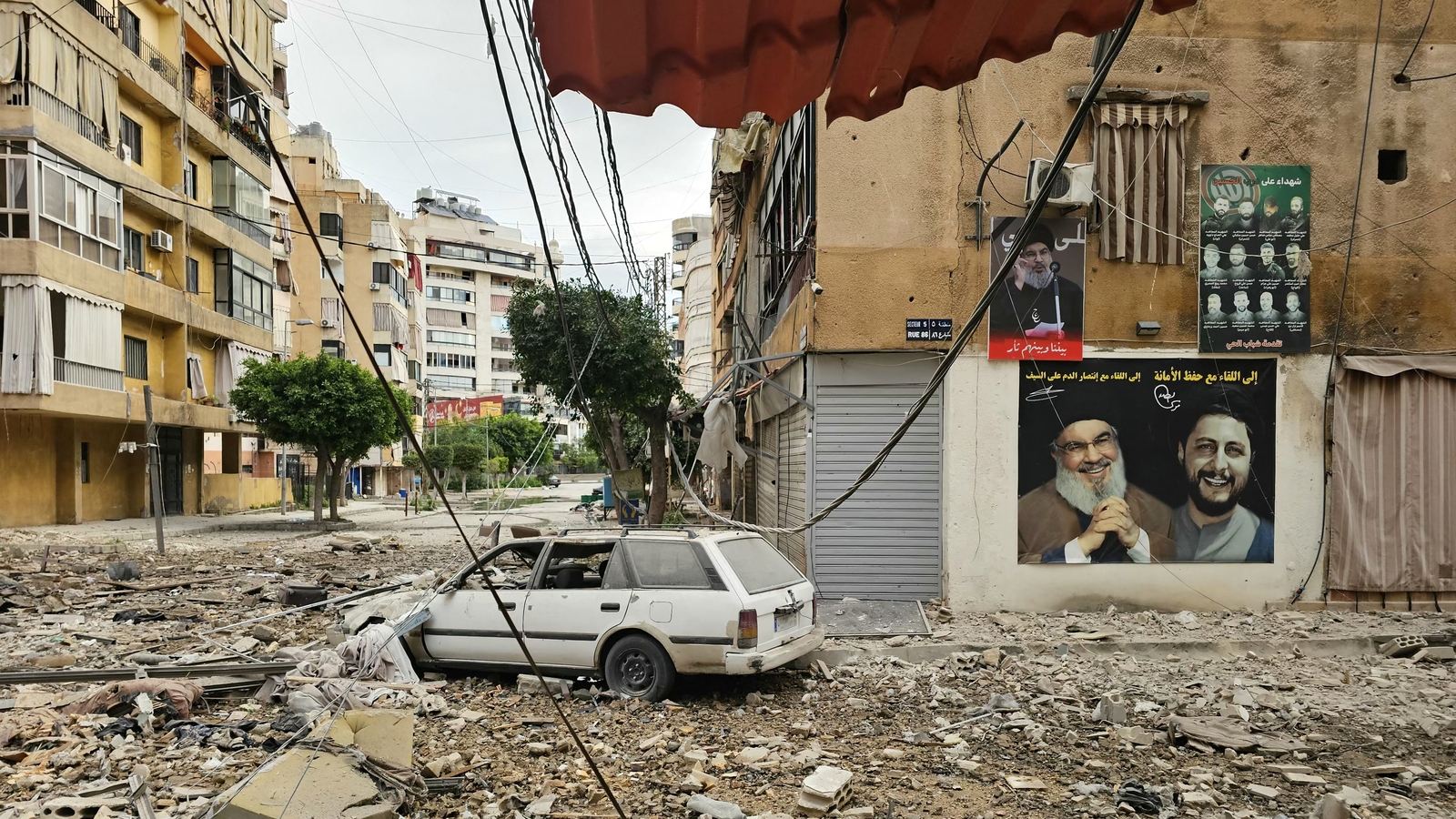
The month-long US-Israeli war and ensuing large-scale Iranian retaliation has killed thousands (Iran claims >1,500 civilians) and included a strike on a girls' school that killed >170 children, triggering severe regional escalation. Iran reported firing cruise missiles at the USS Abraham Lincoln and continues strikes on Gulf energy and civilian infrastructure, producing the 'worst energy shock in history' with heightened oil-price volatility and global inflation concerns; markets briefly rallied when reports surfaced of a US 15-point ceasefire plan. The situation materially raises tail risks to Persian Gulf oil exports, insurance and shipping costs, and could meaningfully shock energy and equity markets if strikes on export infrastructure continue.
The immediate market reaction understates transmission mechanisms that matter to P&L: even a localized, repeated disruption to Gulf export corridors amplifies freight and war‑risk insurance costs, steepens crude contango and forces physical sellers to sell into thinner markets. Those mechanics can add $2–8/bbl to delivered crude and push refiners to hoard light sweet barrels, widening crack spreads for refiners with access to alternative feedstocks over 2–12 weeks.
Defense and marine owners capture the clearest revenue uplifts quickly—contract awards and elevated charter rates react within days—but the larger multi‑quarter winners are companies that convert higher energy prices into FCF (integrated majors) and specialty chemical producers with secure feedstock access. Conversely, EM growth exposures and trade‑dependent industries face margin squeeze as input costs and shipping lead times extend; sovereign credit spreads in import‑dependent EM and insurers/reinsurers bearing concentrated Middle East exposure are second‑order losers over quarters.
Tail risks are binary and asymmetric: a naval escalation could spike Brent by $30–50 within weeks and force physical shortages, while a credible diplomatic ceasefire or coordinated SPR release can erase most of the move in 2–6 weeks. Watch three triggers for regime change — sustained closure or interdiction of shipping lanes, a major strike on US/NATO assets, or formal mediation with oil export guarantees — and size positions to reflect this short, sharp volatility regime rather than a permanent structural shock.
AI-powered research, real-time alerts, and portfolio analytics for institutional investors.
Request DemoOverall Sentiment
strongly negative
Sentiment Score
-0.80
