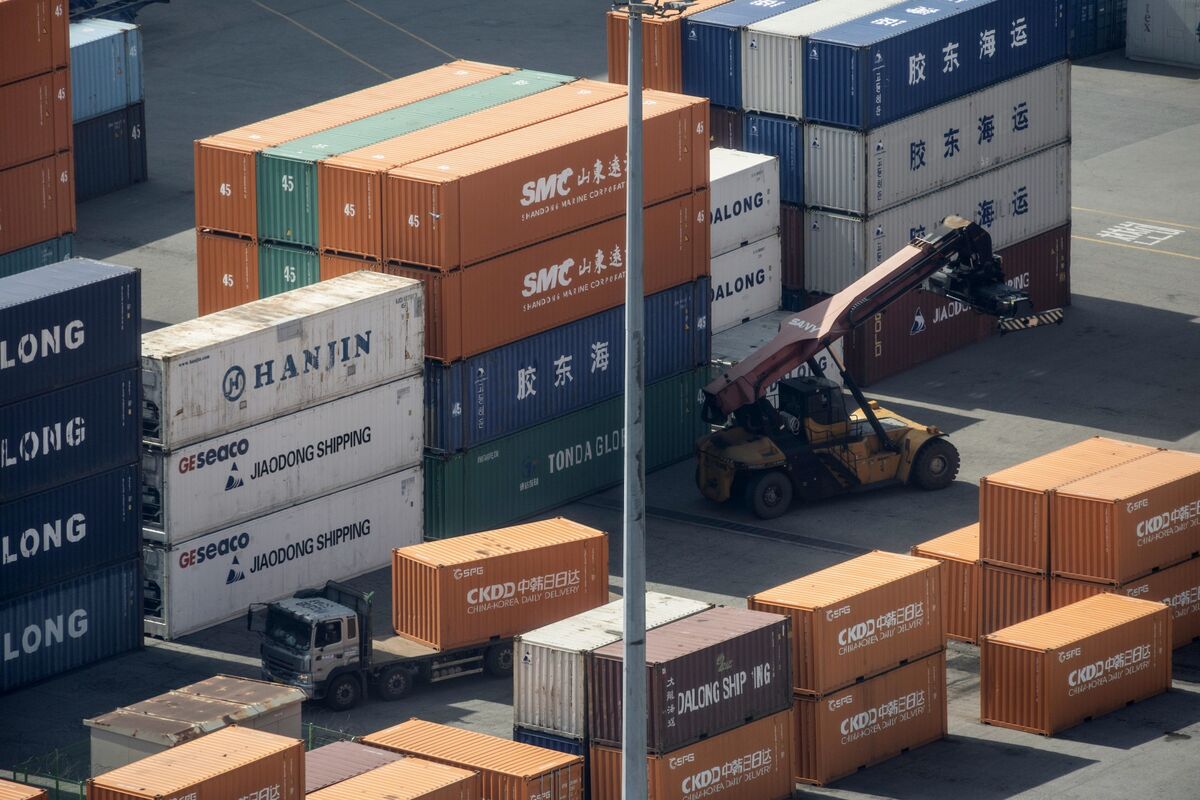
S&P Global data revealed a split in Asian manufacturing activity last month, with South Korea, Vietnam, and Thailand showing improved or steady performance, while Indonesia remained expansionary. Conversely, key export economies like Taiwan and Japan, along with Malaysia and the Philippines, saw activity contract below the 50-mark, suggesting President Trump’s global trade levies are significantly impacting demand in specific regional markets.
The Asian manufacturing landscape presented a clear divergence last month, according to S&P Global PMI data. A distinct split has emerged between economies weathering global trade pressures and those succumbing to them. On one side, South Korea and Thailand reported accelerated activity, while Vietnam, a key US supplier, maintained steady performance, and Indonesia remained in expansionary territory despite a slowdown. Conversely, a group of export-oriented economies, including the semiconductor hub Taiwan, Japan, Malaysia, and the Philippines, all registered PMIs below the 50-mark, indicating a contraction in manufacturing activity. The article explicitly suggests that President Trump's global trade levies are a primary driver of this downturn, biting into demand for markets like Taiwan and Japan. This bifurcation indicates that the impact of trade tariffs is not uniform across the region, creating a more nuanced investment environment where country-specific fundamentals and trade relationships are critical differentiators.
AI-powered research, real-time alerts, and portfolio analytics for institutional investors.
Request DemoOverall Sentiment
mixed
Sentiment Score
0.00
Ticker Sentiment
