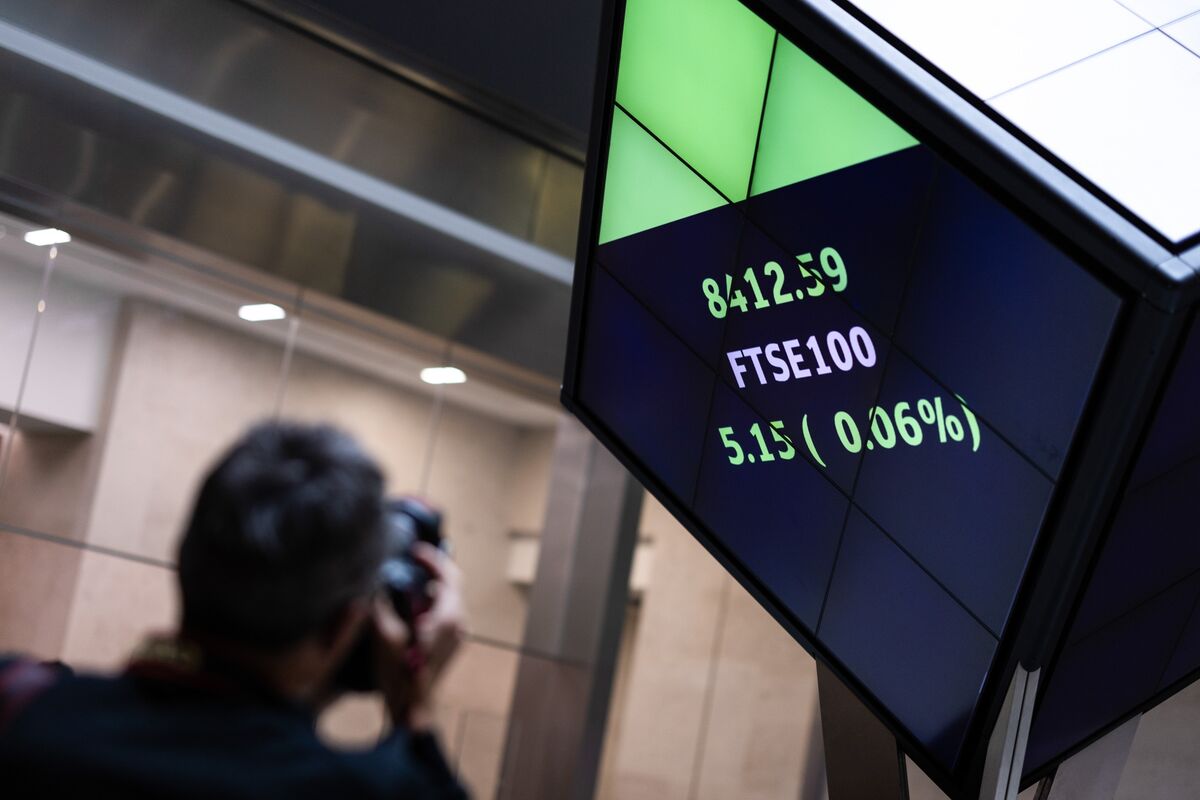
The FTSE 100 delivered a strong performance in 2025, proving resilient despite ongoing capital outflows and domestic political turbulence. For investors, the year underscores that the UK large-cap headline index can post robust returns even amid unsettled politics and net outflows, warranting a reassessment of positioning and risk exposure to UK equities given the persistence of flow and political risks.
Market structure: The FTSE 100’s 2025 outperformance masks concentration into large, internationally‑exposed resource and energy names (miners/oil majors) while domestic cyclicals (retail, housebuilders, small banks) lag. That shifts pricing power toward firms earning USD/AUD revenues — margins expand as sterling remains volatile — and reduces breadth: a 5–10% index move can be driven by <20% of names. Cross‑asset: expect sterling and gilts to remain more sensitive to political headlines (±3–6% moves), while commodity prices and USD strength will drive equity returns and corporate FX translation gains/losses.
Risk assessment: Tail risks include a surprise election or targeted windfall tax on energy/miners (low probability, high impact) and a >10% GBP shock that reverses dollar‑reported gains; liquidity risk if UK equity outflows accelerate. Near term (days–weeks) heightened headline volatility; medium (3–6 months) earnings season and budget announcements are key; long term (12–24 months) depends on global commodity cycles and domestic demand recovery. Hidden dependency: index outperformance is contingent on commodity cyclicality, not UK domestic recovery.
Trade implications: Favor concentrated resource/energy longs and underweight UK domestic cyclicals. Specific plays: build 2–3% long positions in RIO.L and SHEL.L (scale 50/50 over 2–4 weeks), initiate a 1–2% pair short in PSN.L+TW.L combined vs long RIO.L for relative exposure, and buy 3–6 month FTSE 100 put spreads (10% OTM) sized to hedge 30–40% of equity exposure. Reduce long gilt duration to <5 years and keep 30–50% of GBP exposure hedged if FX moves exceed 5%.
Contrarian angles: Consensus underestimates concentration and policy risk — the rally can reverse if windfall tax talk resurfaces or commodities roll over; history (post‑Brexit 2016) shows the FTSE can outperf but leave domestic economy behind. The mispricing: many domestic names still trade at premium to sustainable cash flows; a disciplined pairs strategy (resource long/domestic short) exploits this while capping directional macro risk.
AI-powered research, real-time alerts, and portfolio analytics for institutional investors.
Request DemoOverall Sentiment
mildly positive
Sentiment Score
0.35
